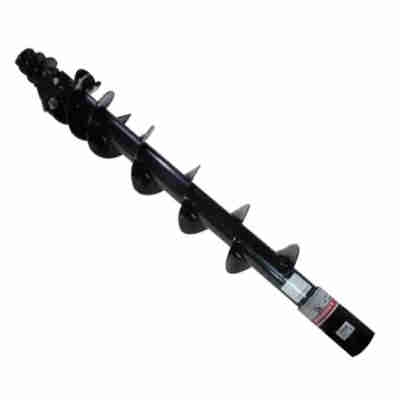
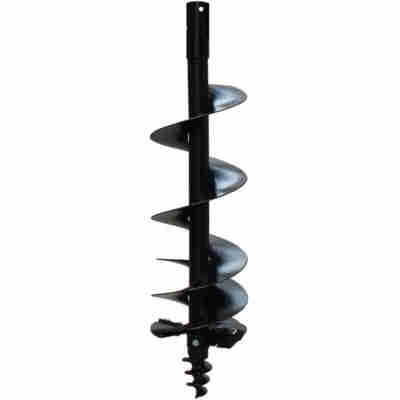
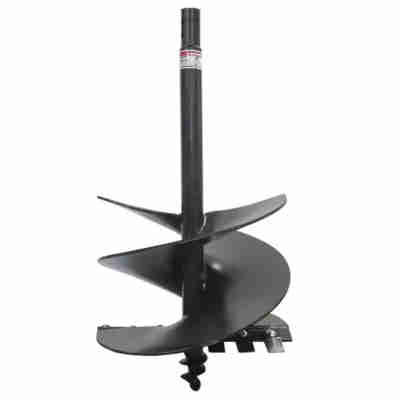
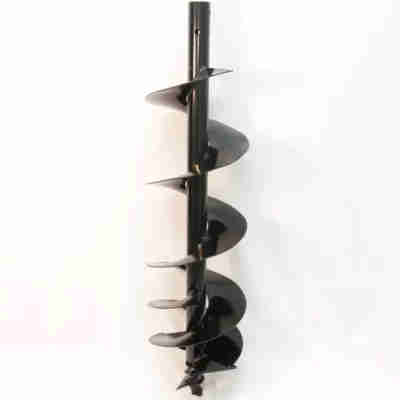
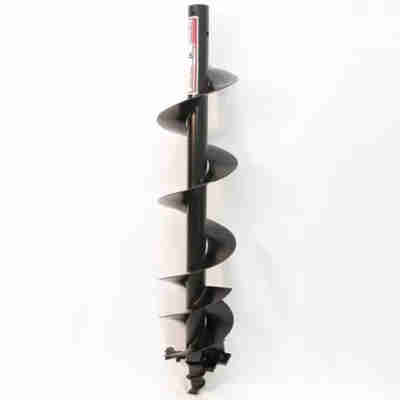
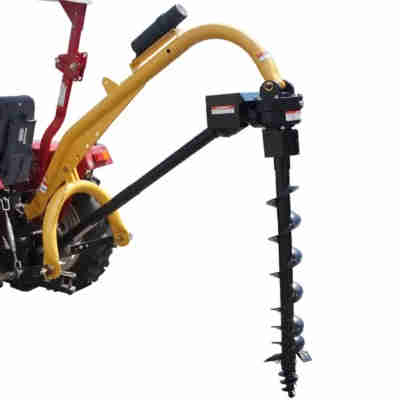
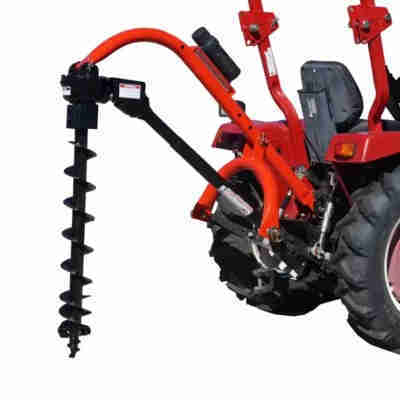
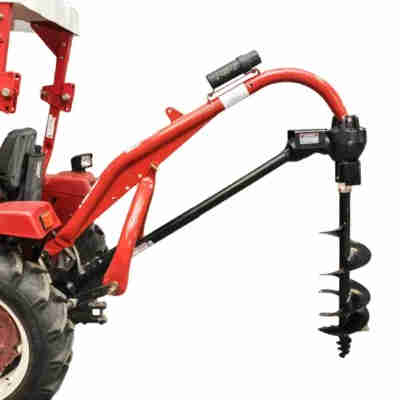
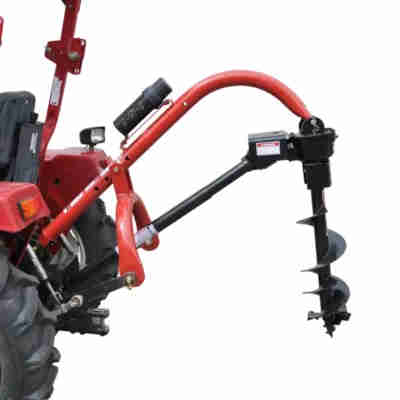
A post hole digger is an essential tool for anyone involved in construction, landscaping, or farming. It is designed to create narrow, deep holes in the ground for setting posts, planting trees, or installing fences. With advancements in technology, modern post hole diggers come in various types, including manual, gas-powered, and hydraulic models, each catering to different needs and preferences.
Types of Post Hole Diggers
- Manual Post Hole Diggers: Ideal for small projects and light soil conditions. They require physical effort but are cost-effective and easy to use.
- Gas-Powered Post Hole Diggers: Suitable for medium to large projects. They offer more power and efficiency, making them perfect for tougher soil types.
- Hydraulic Post Hole Diggers: Designed for heavy-duty applications. These are often attached to tractors or other machinery, providing maximum power and precision.
- Electric Post Hole Diggers: Eco-friendly and quieter operation. Best for residential use where noise might be a concern.
Key Features and Specifications
When choosing a post hole digger, it's crucial to consider several features and specifications to ensure it meets your project requirements. Below is a detailed table outlining the key parameters for different types of post hole diggers.
| Parameter |
Manual Digger |
Gas-Powered Digger |
Hydraulic Digger |
Electric Digger |
| Hole Diameter Range |
4-6 inches |
6-12 inches |
8-24 inches |
4-8 inches |
| Hole Depth Capacity |
Up to 3 feet |
Up to 5 feet |
Up to 10 feet |
Up to 4 feet |
| Power Source |
Manual |
Gasoline Engine |
Hydraulic System |
Electric Motor |
| Weight |
5-10 lbs |
50-100 lbs |
200-500 lbs |
20-40 lbs |
| Noise Level |
Silent |
High (90-100 dB) |
Moderate (70-80 dB) |
Low (60-70 dB) |
| Best For |
Small gardens, DIY projects |
Farming, fencing |
Construction, large-scale projects |
Residential use, quiet areas |
Advantages of Using a Post Hole Digger
- Efficiency: Saves time and labor compared to manual digging with shovels.
- Precision: Creates uniform holes with consistent diameter and depth.
- Versatility: Can be used for various applications, from setting fence posts to planting trees.
- Durability: Built with robust materials to withstand tough conditions.
- Ease of Use: Modern models come with ergonomic designs and user-friendly controls.
FAQs About Post Hole Diggers
What is the average cost of a post hole digger?
The cost varies based on the type and features. Manual diggers range from $30 to $100, gas-powered models from $200 to $800, hydraulic diggers from $1,000 to $5,000, and electric diggers from $150 to $400.
How do I maintain my post hole digger?
Regular maintenance includes cleaning after use, checking for wear and tear, lubricating moving parts, and storing in a dry place. For gas-powered models, ensure proper fuel mixture and spark plug checks.
Can I use a post hole digger in rocky soil?
Yes, but it depends on the type. Gas-powered and hydraulic diggers with reinforced augers are better suited for rocky terrain. Manual diggers may struggle and require additional effort.
What safety precautions should I take?
Always wear protective gear, including gloves, goggles, and steel-toed boots. Ensure the digger is on stable ground, keep hands away from moving parts, and follow the manufacturer's instructions.
How deep can a post hole digger go?
Depth capacity varies by model. Manual diggers typically reach up to 3 feet, gas-powered up to 5 feet, hydraulic up to 10 feet, and electric up to 4 feet. Extensions are available for deeper holes.
Is an electric post hole digger powerful enough for clay soil?
Electric diggers can handle clay soil but may require more time and effort compared to gas-powered or hydraulic models. Choosing a model with higher torque is advisable for tough soils.
Can I attach a post hole digger to my tractor?
Yes, hydraulic post hole diggers are designed for attachment to tractors. Ensure your tractor has the compatible hydraulic system and PTO (Power Take-Off) for optimal performance.
What is the lifespan of a post hole digger?
With proper maintenance, a quality post hole digger can last 5-10 years for manual and electric models, and 10-15 years for gas-powered and hydraulic models, depending on usage frequency.
Choosing the Right Post Hole Digger for Your Needs
Selecting the appropriate post hole digger involves considering factors such as soil type, project scale, and budget. For instance, if you're working on a small garden project, a manual or electric digger might suffice. For larger agricultural or construction projects, investing in a gas-powered or hydraulic model would be more efficient. Always review the specifications and read user reviews to make an informed decision.
Installation and Operation Tips
- Read the user manual thoroughly before operation.
- Ensure the auger is securely attached and aligned.
- Start with a pilot hole to guide the digger.
- Apply steady pressure and avoid forcing the digger into the ground.
- Regularly clear debris from the hole to prevent clogging.