An Introduction to Rotavators (Rotary Tillers)
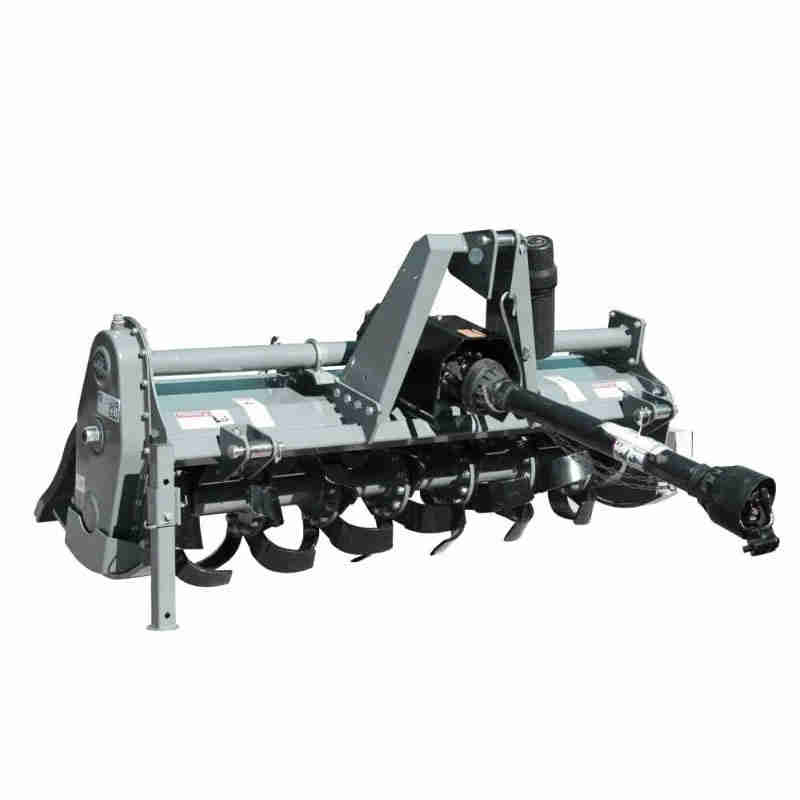
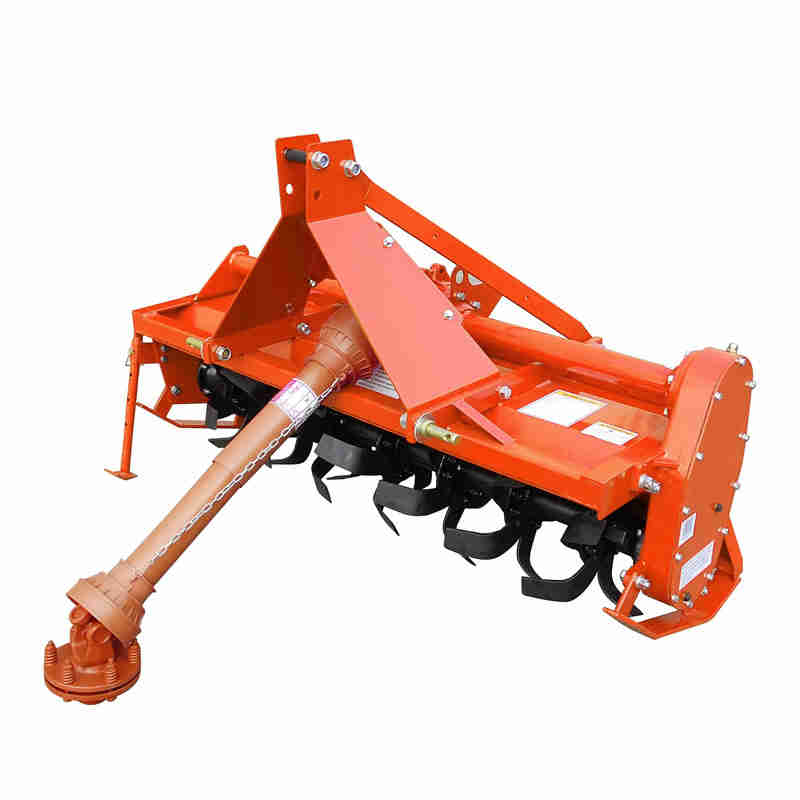
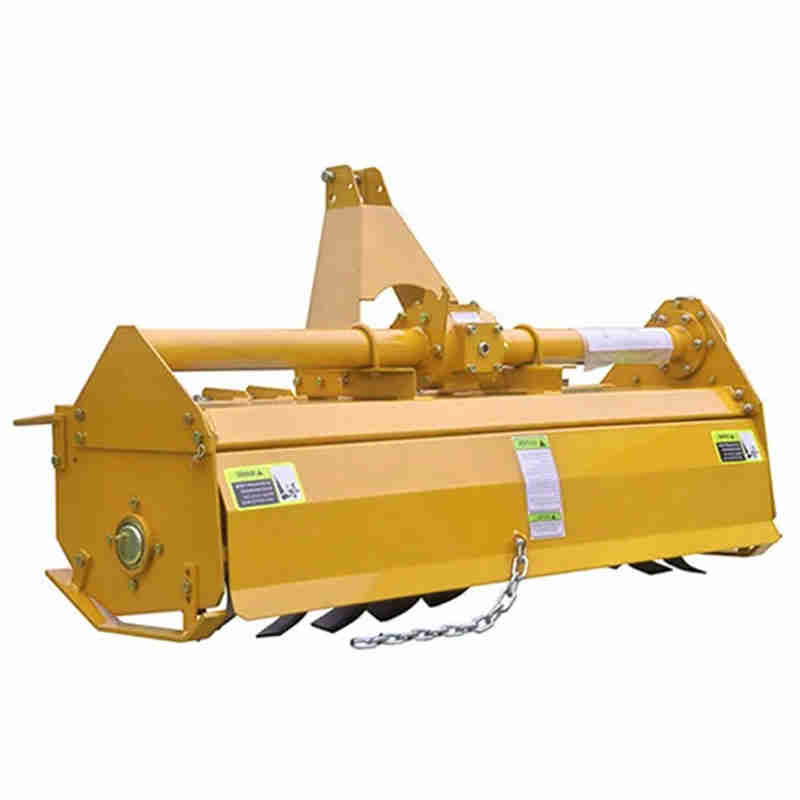
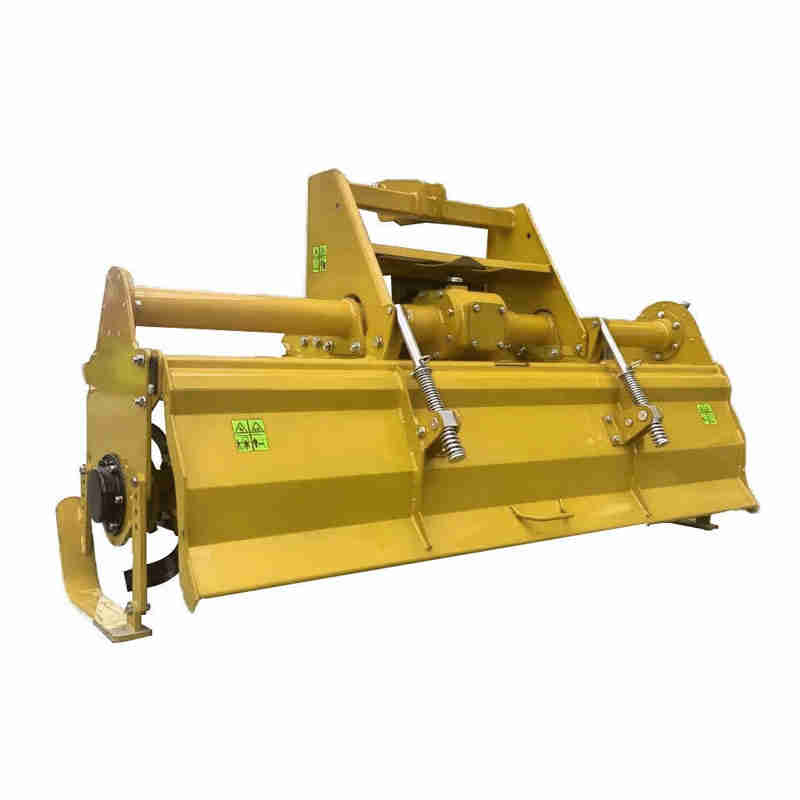
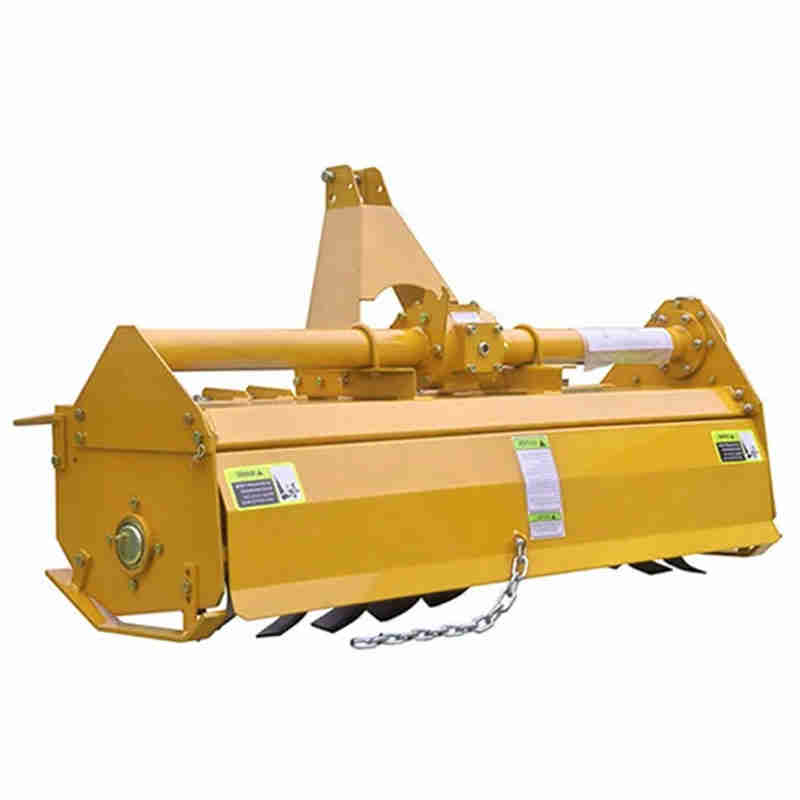
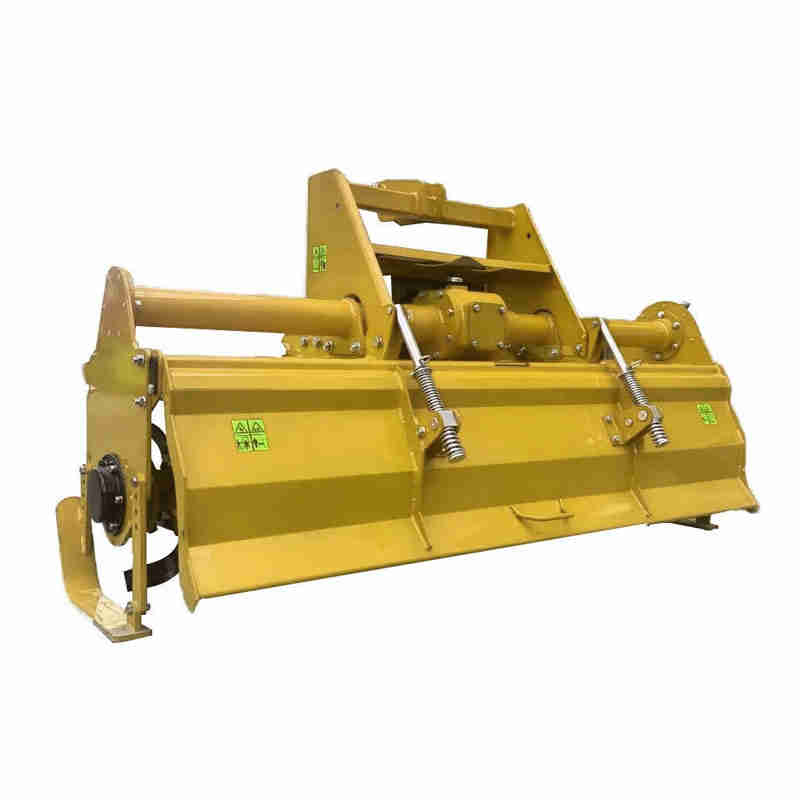
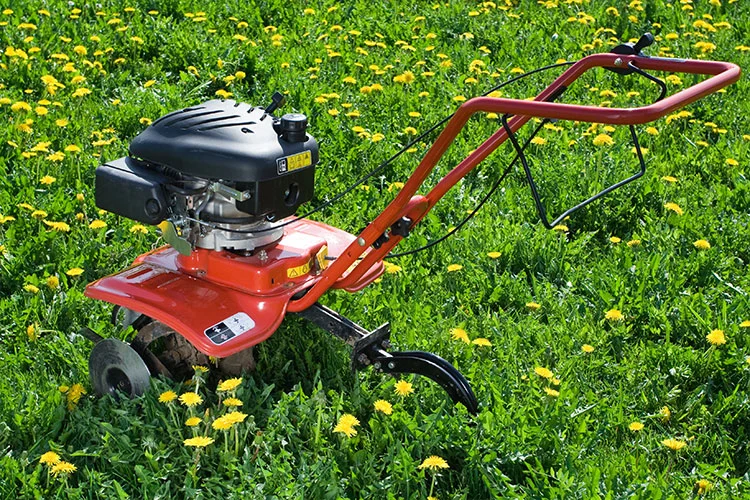
Rotavators, also known as rotary tillers, are essential tools in modern agriculture and gardening. They are designed to break up, aerate, and prepare soil for planting by using a series of rotating blades or tines. These machines save time and labor compared to manual tilling methods, making them popular among farmers, landscapers, and hobby gardeners. Whether you're working on a small vegetable patch or a large farm, a rotavator can significantly improve soil health and crop yield.
Key Features of Rotavators (Rotary Tillers)
Rotavators come with various features that enhance their efficiency and usability. Some common features include adjustable tilling depth, multiple speed settings, and durable construction materials. Here is a list of key features to consider:
- Adjustable Tilling Depth: Allows users to set the depth according to soil type and crop requirements.
- Powerful Engine: Typically powered by gasoline, diesel, or electricity, providing sufficient torque for tough soil conditions.
- Multiple Blades or Tines: Designed to cut through soil efficiently, with options for different blade configurations.
- Easy Maneuverability: Many models include wheels and handles for better control during operation.
- Safety Features: Such as emergency stop buttons and protective shields to prevent accidents.
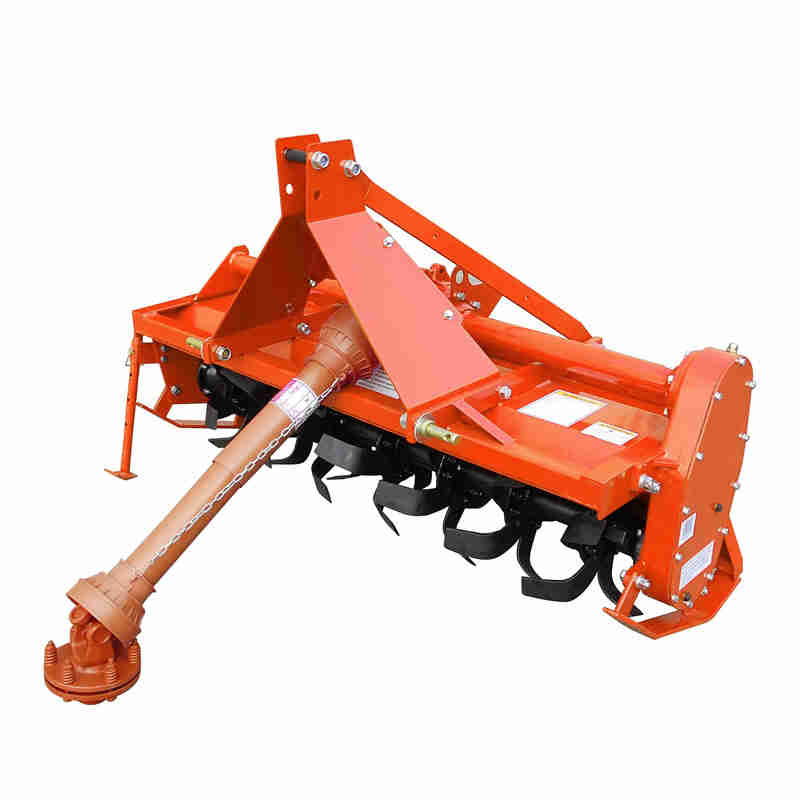
- Attachment Compatibility: Can often be attached to tractors or used as standalone units.
Technical Specifications of Rotavators (Rotary Tillers)
Understanding the technical specifications is crucial for selecting the right rotavator for your needs. Below is a detailed table outlining common parameters:
| Parameter |
Description |
Typical Range |
| Working Width |
The width of soil tilled in a single pass |
24 inches to 60 inches |
| Tilling Depth |
Maximum depth the blades can penetrate |
6 inches to 12 inches |
| Power Source |
Type of engine or motor used |
Gasoline, Diesel, Electric |
| Engine Power |
Output power measured in horsepower (HP) or kilowatts (kW) |
5 HP to 25 HP |
| Weight |
Overall weight of the machine |
50 lbs to 300 lbs |
| Blade Type |
Design of the tilling blades |
L-shaped, C-shaped, or Serrated |
| Transmission |
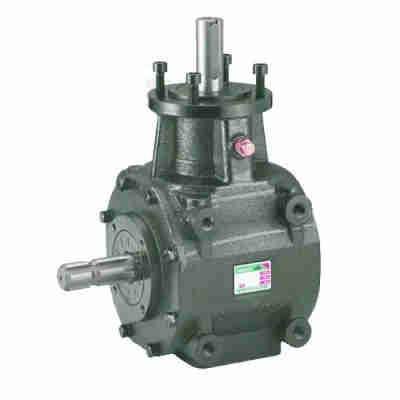
Mechanism for transferring power to the blades |
Gear-driven or Chain-driven |
Advantages of Using Rotavators (Rotary Tillers)
Rotavators offer numerous benefits for soil preparation and cultivation. Some advantages include:
- Improved Soil Aeration: Enhances oxygen flow to plant roots, promoting healthier growth.
- Weed Control: Helps in uprooting weeds and mixing them into the soil, reducing weed growth.
- Time Efficiency: Completes tilling tasks much faster than manual methods.
- Versatility: Suitable for various soil types, including clay, loam, and sandy soils.
- Cost-Effective: Reduces the need for multiple passes over the same area, saving fuel and time.
How to Choose the Right Rotavator (Rotary Tiller)
Selecting the appropriate rotavator depends on factors such as soil condition, field size, and intended use. Consider the following points:
- Soil Type: Heavy clay soils may require more powerful engines and sturdy blades.
- Field Size: Larger areas benefit from wider working widths and higher horsepower.
- Power Source: Electric models are quieter and eco-friendly but may lack power for tough jobs; gasoline and diesel offer more power but produce emissions.
- Budget: Prices vary based on features and brand; invest in a durable model for long-term use.
- Attachments: Check if the model supports additional tools for versatility.
Frequently Asked Questions (FAQs) About Rotavators (Rotary Tillers)
What is the difference between a rotavator and a rotary tiller?
Rotavator and rotary tiller are often used interchangeably to refer to the same machine. Both terms describe equipment with rotating blades that till soil. However, in some regions, "rotavator" might imply a more heavy-duty or tractor-mounted version, while "rotary tiller" could refer to smaller, walk-behind models. Essentially, they serve the same purpose of soil preparation.
How often should I use a rotavator on my garden?
It is recommended to use a rotavator once or twice a year, typically before planting seasons in spring and fall. Over-tilling can damage soil structure, leading to compaction and reduced fertility. Always assess soil moisture; avoid tilling when the soil is too wet or dry to prevent clumping or erosion.
Can rotavators handle rocky or hard soil?
Yes, many rotavators are designed to handle rocky or hard soil, but it depends on the model's power and blade strength. For extremely rocky conditions, choose a rotavator with high horsepower (e.g., 15 HP or more) and reinforced blades. It's advisable to remove large rocks manually before tilling to avoid blade damage.
What maintenance is required for a rotavator?
Regular maintenance includes checking and sharpening blades, inspecting and changing oil (for engine models), cleaning after use to remove soil debris, and storing in a dry place. Lubricate moving parts periodically and follow the manufacturer's guidelines for specific intervals. Proper maintenance extends the machine's lifespan and ensures optimal performance.
Are electric rotavators as effective as gasoline models?
Electric rotavators are effective for small to medium-sized gardens with soft to moderate soil. They are quieter, lighter, and emission-free. However, gasoline models generally provide more power and are better suited for large areas or tough soil conditions. Choose based on your specific needs; electric models are eco-friendly but may require a power source nearby.
Can I attach a rotavator to my tractor?
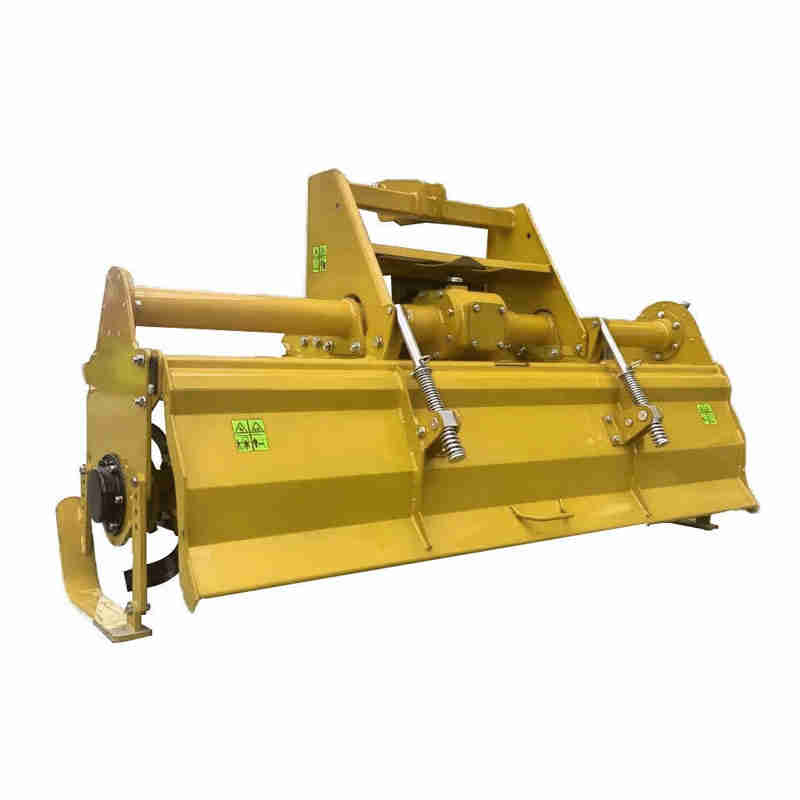
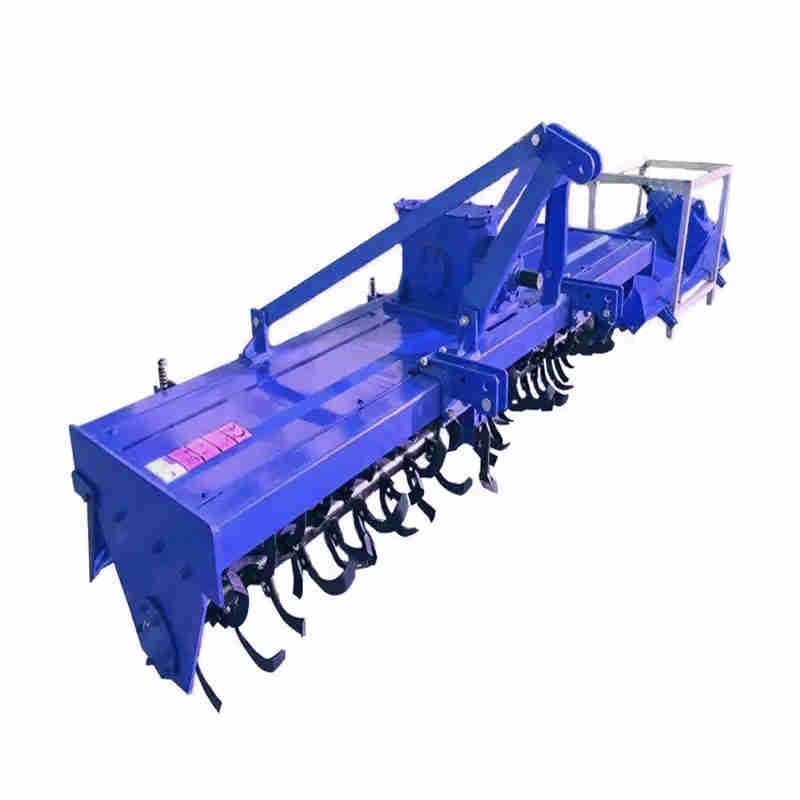
Many rotavators are designed as attachments for tractors, especially in agricultural settings. These tractor-mounted rotavators are powerful and cover wide areas quickly. Ensure compatibility by checking the hitch type and power requirements of your tractor. Always follow safety guidelines when attaching and operating the equipment.
What safety precautions should I take when using a rotavator?
Always wear protective gear, including gloves, goggles, and sturdy footwear. Keep bystanders, especially children and pets, away from the operating area. Read the user manual thoroughly before use. Avoid loose clothing that could get caught in moving parts. Never operate the machine on steep slopes to prevent tipping. Regularly inspect the equipment for any defects.