Introduction to Pulley Systems
Pulleys are simple machines that have been used for centuries to lift heavy loads with minimal effort. They consist of a wheel on an axle or shaft, designed to support movement and change of direction of a taut cable or belt. Modern pulley systems are integral in various industries, from construction and manufacturing to fitness and automotive applications. This guide delves into the technical specifications, types, and applications of pulleys, providing a comprehensive resource for professionals and enthusiasts alike.
Types of Pulleys
Pulleys can be categorized based on their design and application. Here are the primary types:
- Fixed Pulley: Attached to a stationary structure, it changes the direction of the force applied.
- Movable Pulley: Attached to the load, it moves with the load and provides mechanical advantage.
- Compound Pulley: A combination of fixed and movable pulleys, offering significant mechanical advantage for heavy lifting.
- Snatch Block: A type of pulley with a side plate that opens, allowing the rope to be inserted without threading through the sheave.
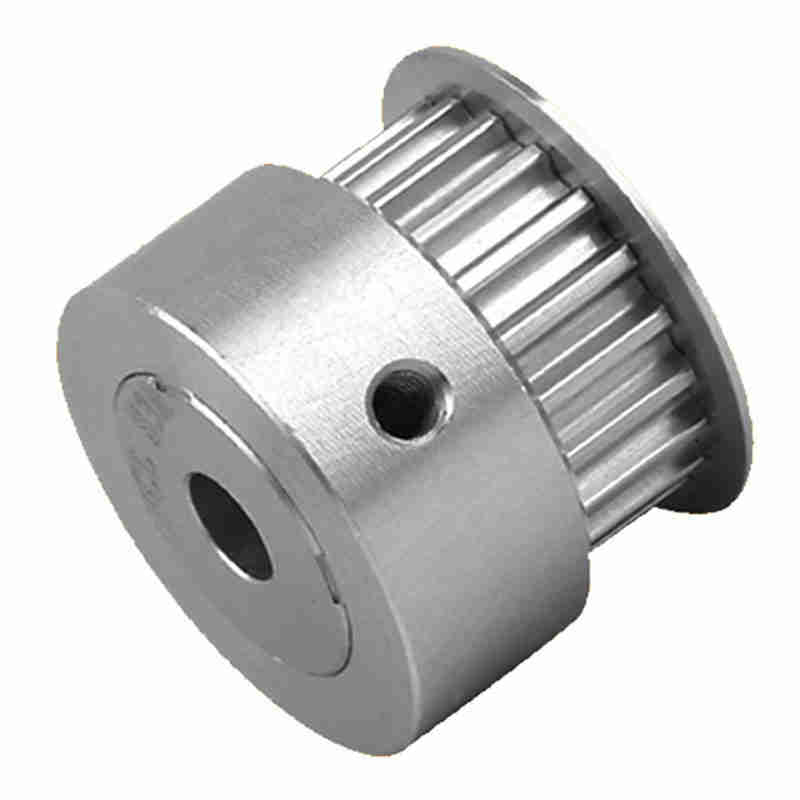
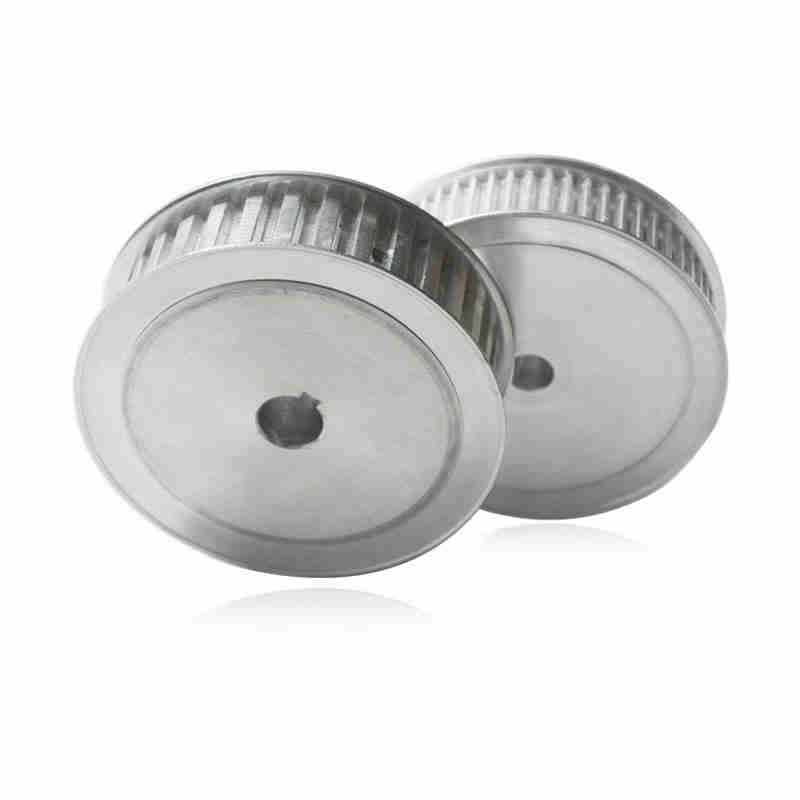
- Timing Pulley: Used with timing belts to ensure synchronous power transmission in machinery.
Key Parameters of Pulleys
Understanding the specifications of pulleys is crucial for selecting the right one for your needs. Below is a detailed table of common parameters:
| Parameter |
Description |
Typical Values |
| Diameter |
The size of the pulley wheel, affecting the mechanical advantage and speed. |
50mm to 500mm |
| Material |
Common materials include steel, aluminum, nylon, and plastic, each offering different strength and weight characteristics. |
Steel, Aluminum, Nylon |
| Load Capacity |
The maximum weight the pulley can handle safely, often rated in kilograms or pounds. |
100kg to 10,000kg |
| Bearing Type |
Determines the efficiency and smoothness of operation; options include ball bearings, roller bearings, or bushings. |
Ball Bearing, Roller Bearing |
| Sheave Width |
The width of the groove where the rope or belt sits, important for compatibility. |
10mm to 100mm |
| Weight |
The mass of the pulley, affecting portability and application in mobile systems. |
0.5kg to 20kg |
Applications of Pulleys
Pulleys are used in a wide range of applications due to their versatility and efficiency. Some common uses include:
- Construction: For lifting materials to heights with cranes and hoists.
- Fitness Equipment: In weight machines to guide cables and provide resistance.
- Automotive: In engines for timing belts and in winches for recovery operations.
- Marine: On boats for rigging and sail control systems.
- Manufacturing: In conveyor systems to move products along assembly lines.
Frequently Asked Questions (FAQ)
What is a pulley and how does it work?
A pulley is a simple machine consisting of a wheel on an axle, with a groove around its circumference to guide a rope or cable. It works by redirecting force, making it easier to lift heavy objects by distributing the weight and allowing the user to pull downward or sideways instead of directly upward.
What are the advantages of using a pulley system?
Pulley systems offer mechanical advantage, reducing the amount of force needed to lift a load. They also allow for changes in the direction of force, increased safety by controlling heavy loads, and efficiency in various mechanical processes.
How do I choose the right pulley for my application?
Consider factors such as load capacity, material (e.g., steel for heavy loads, nylon for corrosion resistance), diameter (larger diameters reduce wear on the rope), bearing type (ball bearings for smooth operation), and environmental conditions (e.g., exposure to water or chemicals).
Can pulleys be used for horizontal pulling?
Yes, pulleys are commonly used in horizontal applications, such as in conveyor systems or to redirect cables in fitness equipment. They help reduce friction and allow for efficient force transmission along a different axis.
What maintenance is required for pulleys?
Regular inspection for wear, such as grooves becoming sharp or bearings seizing, is essential. Lubricate bearings as recommended by the manufacturer, clean pulleys to remove debris, and replace them if they show signs of damage to ensure safety and performance.
Are there pulleys designed for high-temperature environments?
Yes, certain pulleys are made from materials like stainless steel or specialized polymers that can withstand high temperatures. Always check the manufacturer's specifications for temperature ratings to ensure compatibility with your environment.
What is the difference between a pulley and a sheave?
The terms are often used interchangeably, but technically, a sheave is the wheel part of a pulley system that the rope runs on, while a pulley refers to the entire assembly, including the wheel, axle, and frame.
How does the number of pulleys affect mechanical advantage?
Increasing the number of pulleys in a system, such as in a block and tackle setup, increases the mechanical advantage. For example, a system with two pulleys can double the force applied, making it easier to lift heavy loads with less effort.