What is a Vacuum Pump and Why is it Essential?
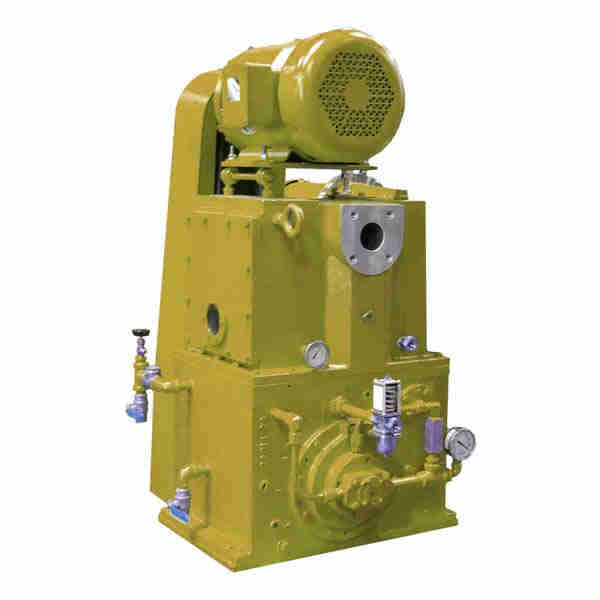
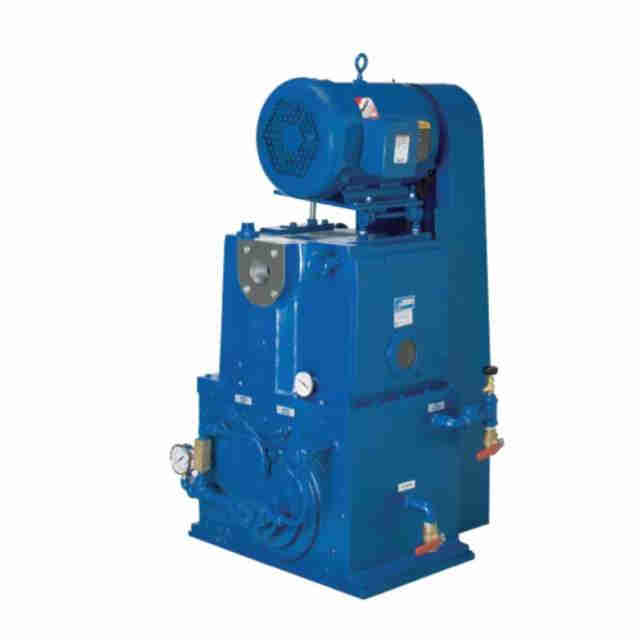
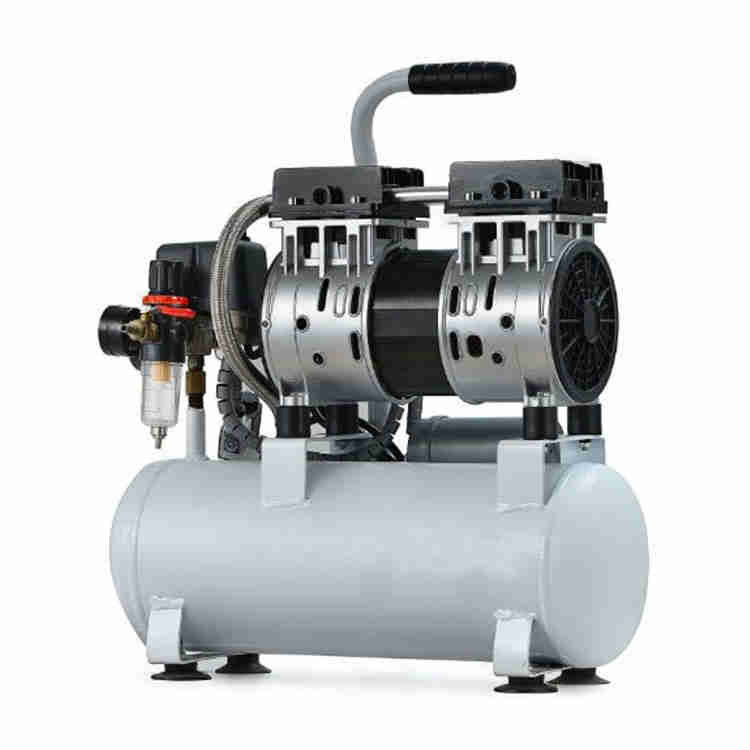
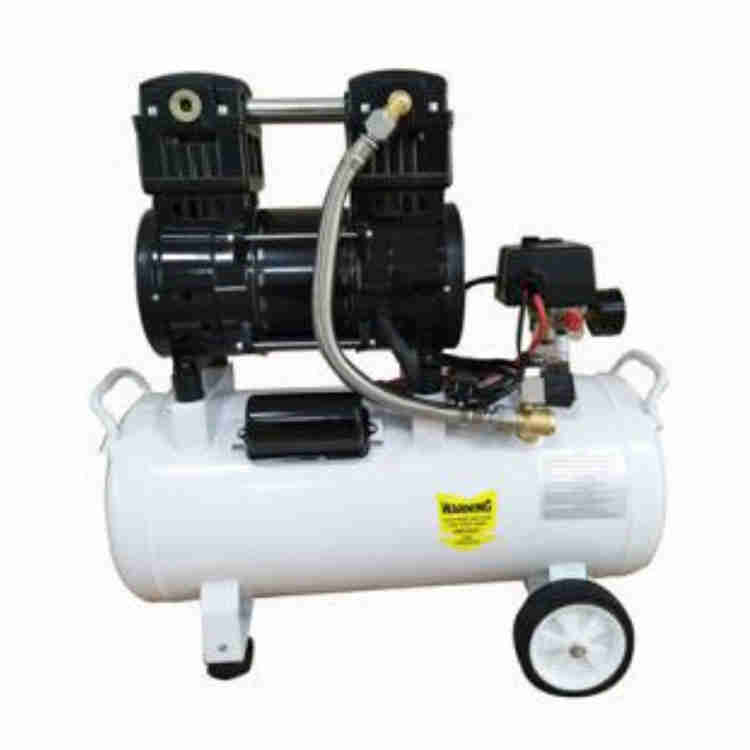
A Vacuum Pump is a device that removes gas molecules from a sealed volume to create a partial vacuum. These pumps are critical in numerous industries, including manufacturing, medical, food processing, and research, where controlled environments are necessary for processes like packaging, drying, or filtration. Without vacuum pumps, many modern technological advancements would not be possible, making them indispensable tools in both industrial and laboratory settings.
Key Parameters of Our Vacuum Pumps
Our vacuum pumps are engineered for high performance, reliability, and efficiency. Below are the detailed specifications in list and table formats to help you understand their capabilities.
List of Main Parameters:
- Type: Rotary Vane, Diaphragm, Scroll, and Liquid Ring Pumps
- Maximum Vacuum Level: Up to 0.001 mbar (absolute pressure)
- Flow Rate (Pumping Speed): Ranges from 1 m³/h to 1000 m³/h
- Power Supply: 110V/220V AC, 50/60 Hz, with options for DC or three-phase power
- Noise Level: As low as 40 dB for quiet operation in sensitive environments
- Materials: Constructed with corrosion-resistant materials like stainless steel and aluminum for durability
- Portability: Lightweight designs available for easy mobility, weighing as little as 5 kg
- Temperature Range: Operates efficiently from -10°C to 40°C
- Maintenance Interval: Recommended service every 2000 hours of operation
Detailed Specifications Table:
| Model |
Type |
Max Vacuum (mbar) |
Flow Rate (m³/h) |
Power (W) |
Weight (kg) |
Noise Level (dB) |
| VP-100 |
Rotary Vane |
0.1 |
5 |
250 |
8 |
45 |
| VP-200 |
Diaphragm |
10 |
2 |
150 |
5 |
40 |
| VP-300 |
Scroll |
0.001 |
100 |
1000 |
50 |
55 |
| VP-400 |
Liquid Ring |
30 |
500 |
3000 |
120 |
65 |
These parameters ensure that our vacuum pumps cater to a wide range of applications, from small laboratory setups to large industrial systems.
Applications of Vacuum Pumps
Vacuum pumps are versatile and used in various sectors. In the medical field, they are essential for suction devices and laboratory equipment. In manufacturing, they facilitate processes like vacuum forming and packaging. The food industry relies on them for preserving products through vacuum sealing, while research institutions use them in experiments requiring controlled atmospheres. Each model is designed to meet specific industry standards, ensuring optimal performance and compliance with safety regulations.
FAQ: Common Questions About Vacuum Pumps
Here are some frequently asked questions to provide deeper insights into vacuum pump usage and maintenance.
What is the typical lifespan of a vacuum pump?
The lifespan varies based on type and usage, but with proper maintenance, rotary vane pumps can last 5-10 years, while diaphragm pumps may exceed 15 years due to fewer moving parts. Regular oil changes and filter replacements are crucial for longevity.
How do I choose the right vacuum pump for my application?
Consider factors like required vacuum level, flow rate, operating environment, and power supply. For high vacuum needs, scroll or rotary vane pumps are ideal; for oil-free operations, diaphragm pumps are better. Always consult the specifications table and, if needed, seek expert advice based on your specific use case.
What maintenance is required for a vacuum pump?
Maintenance includes checking and changing oil (for oil-lubricated models), inspecting and replacing filters, monitoring for leaks, and ensuring clean intake air. Follow the manufacturer's guidelines, typically involving bi-annual inspections for industrial models and annual checks for smaller units.
Can vacuum pumps handle corrosive gases?
Yes, but only if constructed with corrosion-resistant materials like stainless steel or coated internals. Standard models may not be suitable; always specify your application's chemical exposure when selecting a pump to avoid damage and ensure safety.
What are the noise levels like, and can they be reduced?
Noise levels range from 40 dB to 70 dB depending on the type. Quieter models like diaphragm pumps are available for noise-sensitive areas. Enclosures or mounting on vibration dampeners can further reduce noise in operational settings.
Are there energy-efficient vacuum pump options?
Absolutely. Modern pumps often feature variable speed drives and energy-saving modes that adjust power consumption based on demand, reducing electricity costs by up to 30% compared to traditional models.
How do I troubleshoot common issues like loss of vacuum?
Common causes include leaks, worn seals, or contaminated oil. Start by checking connections for tightness, inspect seals for wear, and replace oil if dirty. Refer to the user manual for specific troubleshooting steps or contact technical support if problems persist.