What is a Universal Joint?
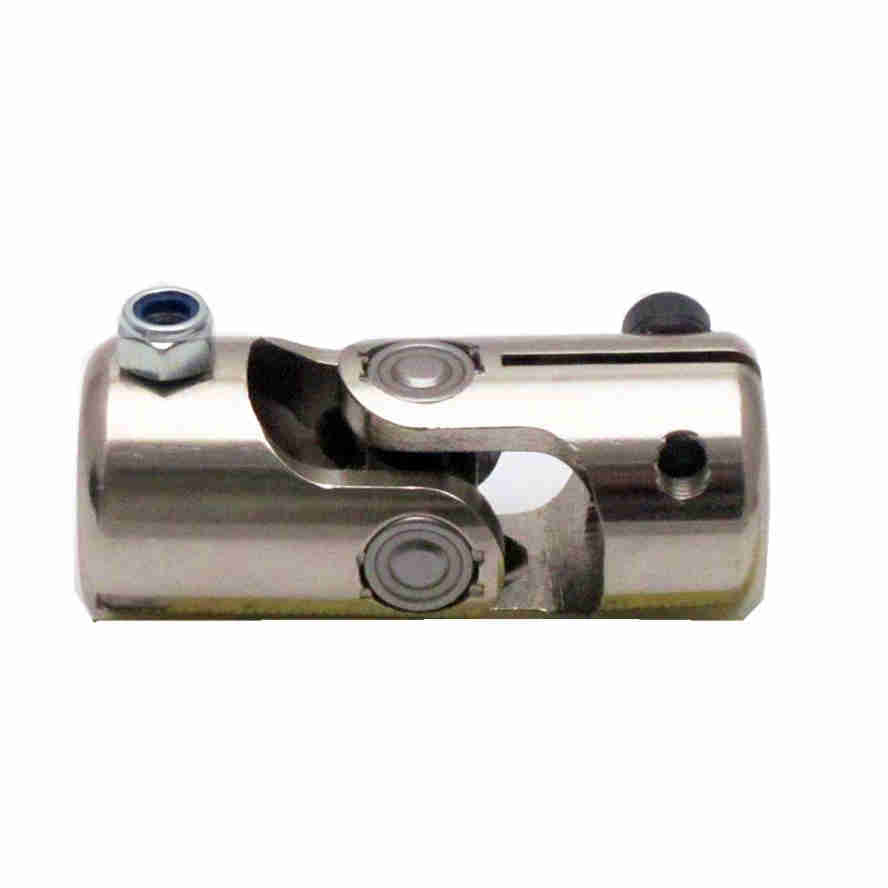
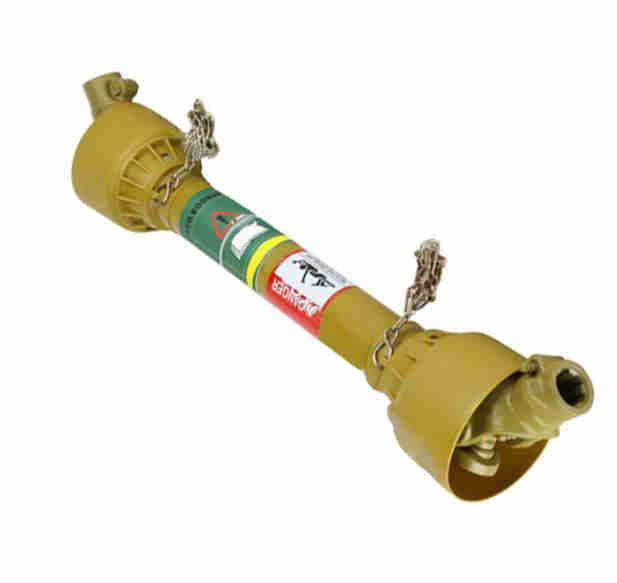
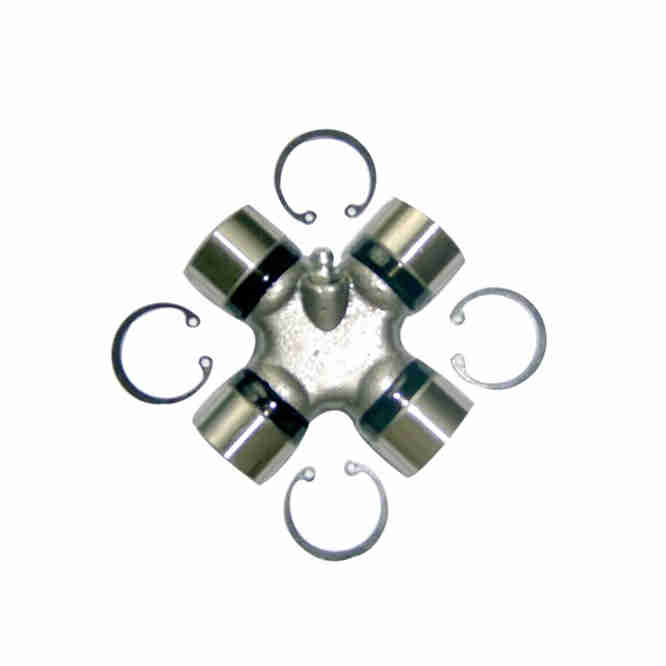
A Universal Joint, often abbreviated as U-joint, is a mechanical device used to connect two rotating shafts at an angle, allowing the transmission of torque and rotation. It is commonly found in automotive driveshafts, industrial machinery, and various mechanical systems where flexibility in alignment is required. The universal joint compensates for misalignment between shafts, enabling smooth power transfer even when the shafts are not perfectly straight. Its design typically involves a cross-shaped yoke with needle bearings, providing durability and efficiency in motion transmission.
Key Features of Our Universal Joints
Our universal joints are engineered for high performance, reliability, and longevity. They are manufactured from premium materials such as hardened steel or alloy, ensuring resistance to wear and corrosion. Key features include:
- High torque capacity for heavy-duty applications
- Precision machining for minimal backlash and vibration
- Sealed design to protect against contaminants and extend service life
- Compatibility with various shaft sizes and types
- Easy installation and maintenance with standard tools
Product Parameters and Specifications
Below is a detailed table outlining the specifications of our universal joint models. These parameters help in selecting the right joint for your specific application, whether for automotive, agricultural, or industrial use.
| Model Number |
Bore Diameter (mm) |
Maximum Torque (Nm) |
Operating Angle (°) |
Weight (kg) |
Material |
| UJ-101 |
10 |
50 |
0-45 |
0.2 |
Steel |
| UJ-102 |
15 |
100 |
0-40 |
0.4 |
Alloy Steel |
| UJ-103 |
20 |
200 |
0-35 |
0.6 |
Stainless Steel |
| UJ-104 |
25 |
300 |
0-30 |
0.8 |
Hardened Steel |
| UJ-105 |
30 |
500 |
0-25 |
1.2 |
Carbon Steel |
Note: All models come with standard lubrication fittings and are tested for performance under ISO 9001 quality standards. Custom sizes and materials are available upon request.
Applications of Universal Joints
Universal joints are versatile components used across multiple industries. Common applications include:
- Automotive driveshafts for transmitting power from the transmission to the wheels
- Industrial machinery such as conveyors, pumps, and generators
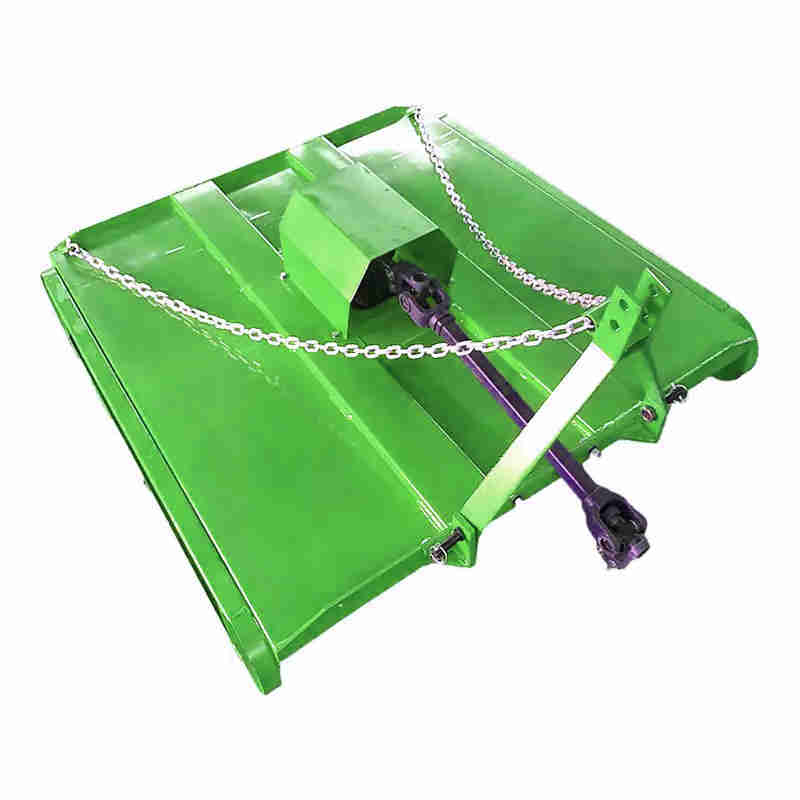
- Agricultural equipment like tractors and harvesters
- Marine propulsion systems for boat engines
- Robotics and automation for precise movement control
Their ability to handle angular misalignment makes them ideal for systems where shafts are subject to movement or vibration.
Installation and Maintenance Tips
Proper installation and maintenance are crucial for the longevity of universal joints. Follow these guidelines:
- Ensure shafts are clean and free of debris before assembly
- Align shafts as closely as possible to reduce stress on the joint
- Lubricate regularly using recommended grease to prevent wear
- Inspect for signs of wear, such as noise or vibration, and replace if necessary
- Use appropriate tools to avoid damaging the joint during installation or removal
Regular maintenance schedules can prevent failures and extend the service life of the universal joint.
Frequently Asked Questions (FAQ)
What is the maximum operating angle for a universal joint?
The maximum operating angle varies by model, typically ranging from 25° to 45°. Exceeding this angle can cause increased wear and potential failure. Always refer to the product specifications for the exact limit.
How do I know when to replace a universal joint?
Signs of wear include unusual noises (e.g., clicking or grinding), vibration during operation, visible rust or damage, and excessive play in the joint. Regular inspections can help identify these issues early.
Can universal joints be used in high-speed applications?
Yes, but it depends on the design and balance of the joint. Our high-speed models are precision-balanced to minimize vibration at elevated speeds. Check the torque and speed ratings in the specifications.
What materials are best for corrosive environments?
Stainless steel or coated universal joints are recommended for corrosive environments, such as marine or chemical industries, to resist rust and degradation.
Are there universal joints for heavy-duty industrial use?
Absolutely. Our heavy-duty models, like UJ-104 and UJ-105, are designed for high torque and demanding conditions, with reinforced materials and robust construction.
How often should lubrication be performed?
Lubrication intervals depend on usage intensity. For standard applications, lubricate every 500 hours of operation or as recommended in the manual. In harsh conditions, more frequent lubrication may be necessary.
Can I install a universal joint myself?
Yes, with basic mechanical skills and tools. However, for complex systems or high-precision applications, professional installation is advised to ensure proper alignment and function.
What is the difference between a universal joint and a CV joint?
A universal joint allows angular misalignment but may cause velocity fluctuations, while a Constant Velocity (CV) joint maintains constant speed regardless of angle. CV joints are often used in front-wheel drive vehicles for smoother operation.
Do universal joints come with warranties?
Yes, our universal joints come with a standard warranty covering defects in materials and workmanship. Warranty terms vary by model and application; refer to the product documentation for details.
How do I select the right universal joint for my application?
Consider factors such as torque requirements, operating angle, shaft size, environment (e.g., temperature, corrosion), and speed. Use the specification table provided or consult with our technical team for guidance.