Understanding Servo Motors: The Ultimate Guide
A Servo Motor is a high-performance electric motor designed for precise control of angular or linear position, velocity, and acceleration. It consists of a motor coupled with a sensor for position feedback, making it ideal for applications requiring accuracy and reliability. In industries such as robotics, CNC machinery, and automation, servo motors play a critical role in ensuring smooth and efficient operations. They are known for their high torque-to-inertia ratio, fast response times, and excellent speed regulation. This guide will delve into the key parameters, specifications, and frequently asked questions about servo motors to help you make an informed decision.
Key Parameters of Servo Motors
When selecting a servo motor, it's essential to consider various technical parameters to ensure it meets your application requirements. Below is a list of critical parameters:
- Rated Power: The continuous power output the motor can deliver without overheating, typically measured in watts (W) or horsepower (HP).
- Rated Torque: The maximum torque the motor can produce continuously under rated conditions, measured in Newton-meters (Nm) or pound-inches (lb-in).
- Peak Torque: The maximum torque the motor can handle for short durations, often during acceleration or deceleration.
- Rated Speed: The speed at which the motor operates under rated torque and power, usually in revolutions per minute (RPM).
- Encoder Resolution: The number of pulses per revolution (PPR) provided by the feedback device, affecting positioning accuracy.
- Voltage Rating: The operating voltage range, such as 24V DC, 110V AC, or 230V AC, which must match the power supply.
- Efficiency: The ratio of mechanical output power to electrical input power, expressed as a percentage.
- Protection Class: Standards like IP65 or IP67 indicate the level of protection against dust and water ingress.
- Cooling Method: Options include natural convection, forced air, or liquid cooling, depending on heat dissipation needs.
- Communication Interface: Protocols such as Modbus, CANopen, or EtherCAT for integration with control systems.
Detailed Specifications Table
To provide a clear comparison, here is a table outlining common specifications for various servo motor models:
| Model |
Rated Power (W) |
Rated Torque (Nm) |
Peak Torque (Nm) |
Rated Speed (RPM) |
Encoder Resolution (PPR) |
Voltage (V) |
| SM-100 |
100 |
0.32 |
0.96 |
3000 |
2500 |
24 DC |
| SM-400 |
400 |
1.27 |
3.81 |
3000 |
5000 |
110 AC |
| SM-750 |
750 |
2.39 |
7.17 |
3000 |
10000 |
230 AC |
| SM-1500 |
1500 |
4.78 |
14.34 |
3000 |
10000 |
230 AC |
Applications of Servo Motors
Servo motors are versatile and used in numerous industries due to their precision and control capabilities. Common applications include:
- Robotics: For accurate movement in robotic arms and automated systems.
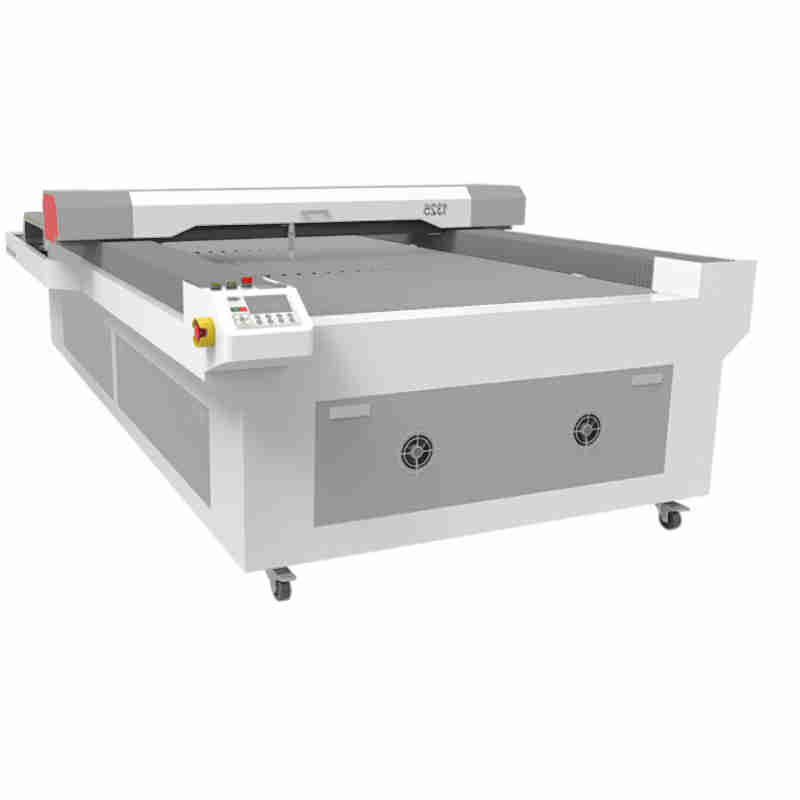
- CNC Machinery: Enabling precise cutting, milling, and engraving operations.
- Packaging Equipment: Ensuring consistent speed and position in filling and sealing machines.
- Textile Manufacturing: Controlling looms and spinning machines for high-quality output.
- Medical Devices: Used in surgical robots and diagnostic equipment for reliability.
- Automotive Assembly: Facilitating precise positioning in conveyor systems and welding robots.
- Aerospace: For actuation systems in aircraft controls and satellite positioning.
Servo Motor FAQ
Here are some frequently asked questions about servo motors, answered in detail to address common queries:
What is the main advantage of using a servo motor over a standard motor?
Servo motors offer superior precision, high torque at low speeds, and excellent control over position and velocity, making them ideal for applications requiring accuracy, whereas standard motors are better for constant speed operations without feedback.
How do I choose the right servo motor for my application?
Consider factors such as load requirements, speed, torque, inertia matching, environmental conditions, and compatibility with your control system. Consulting the motor's datasheet and possibly performing calculations or simulations can help ensure a proper fit.
Can servo motors be used in harsh environments?
Yes, many servo motors are designed with high protection classes like IP65 or IP67, making them resistant to dust, moisture, and extreme temperatures. Always check the manufacturer's specifications for environmental ratings.
What maintenance is required for a servo motor?
Regular maintenance includes checking for wear on bearings, ensuring proper lubrication, inspecting connectors and cables, and monitoring performance through diagnostic tools. Servo motors are generally low-maintenance but benefit from periodic inspections to prevent failures.
How does the encoder in a servo motor work?
The encoder provides feedback on the motor's position and speed by generating pulses as the motor rotates. This data is sent to the controller, which adjusts the motor's operation to maintain precise control, with higher resolution encoders offering greater accuracy.
What is the typical lifespan of a servo motor?
With proper usage and maintenance, a servo motor can last over 20,000 hours or more, depending on the application's demands, operating conditions, and quality of the motor. Factors like overloads or harsh environments can reduce lifespan.
Are servo motors energy-efficient?
Yes, servo motors are highly efficient due to their ability to provide precise power only when needed, reducing energy waste compared to constant-running motors. Efficiency ratings often exceed 90% in well-designed systems.
Can I integrate a servo motor with existing PLC systems?
Absolutely, most servo motors support standard communication protocols like Modbus, Profinet, or EtherNet/IP, allowing seamless integration with programmable logic controllers (PLCs) and other industrial automation systems.