What Are Axles?
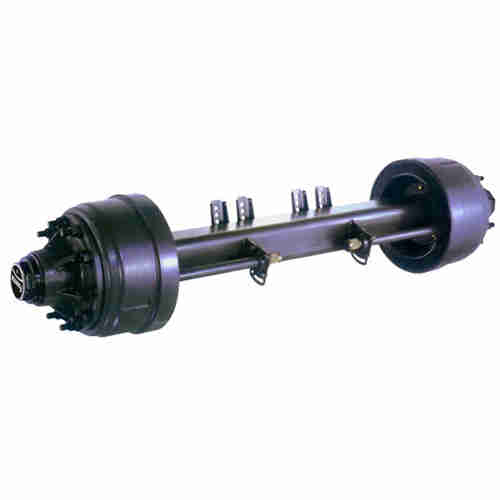
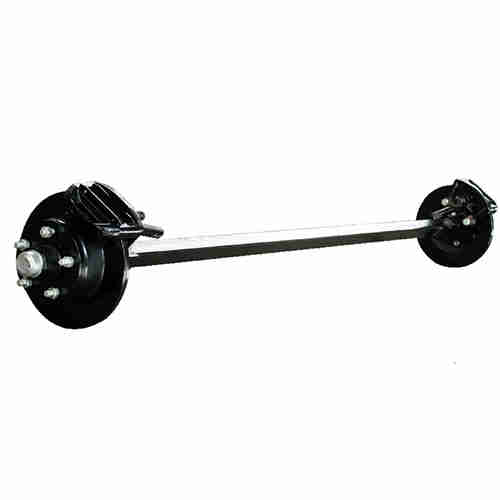
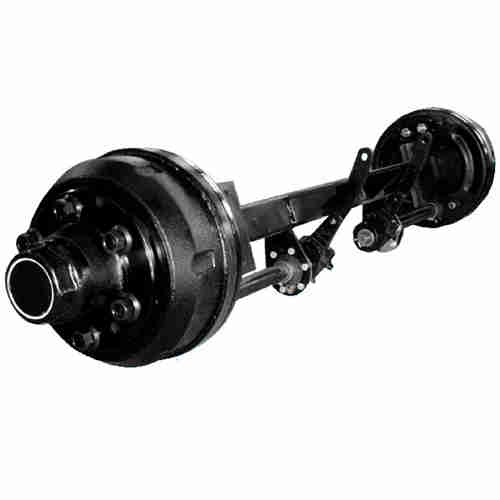
An axles is a central shaft for a rotating wheel or gear. In vehicles, axles are crucial components that transmit power from the engine to the wheels, enabling motion and supporting the vehicle's weight. They come in various types, each designed for specific applications, from passenger cars to heavy-duty trucks and industrial machinery. Understanding the role and specifications of axles is essential for selecting the right product for your needs.
Types of Axles
Axles can be categorized based on their application and design. Common types include:
- Live Axles: Transmit power to the wheels, commonly used in rear-wheel-drive vehicles.
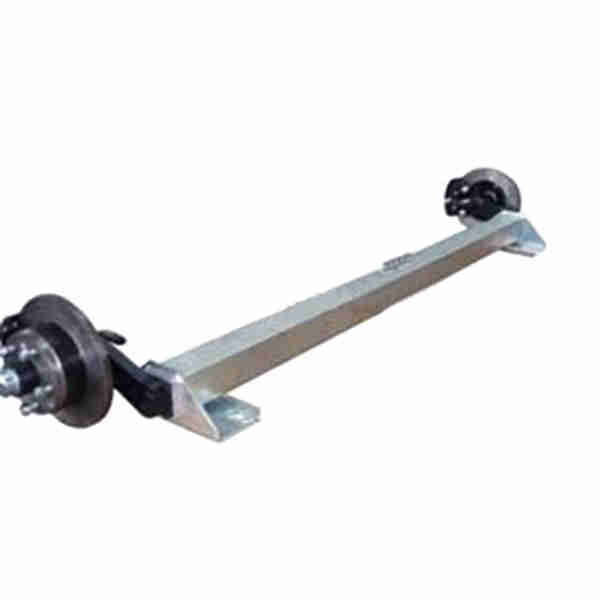
- Dead Axles: Do not transmit power; they simply support weight, often found in trailers.
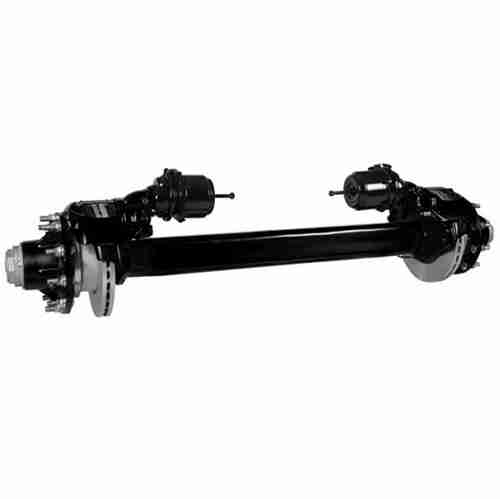
- Front Axles: Located at the front of vehicles, responsible for steering and handling.
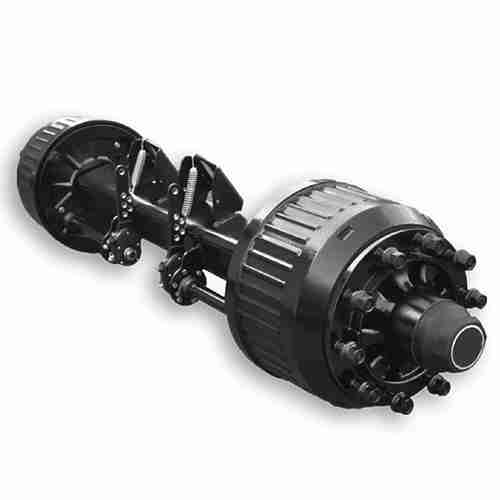
- Rear Axles: Situated at the rear, primarily for driving the wheels and bearing load.
- Stub Axles: Used in independent suspension systems, connected to the front wheels.
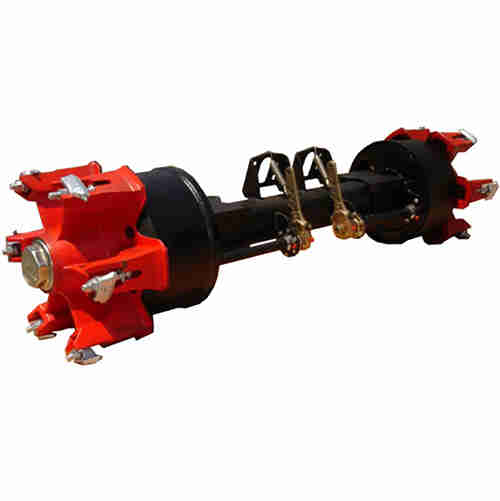
- Full-Floating Axles: Designed for heavy-duty applications, where the axle shaft only transmits torque, not weight.
Each type has unique features suited to different vehicle configurations and performance requirements.
Key Product Parameters
When selecting axles, consider these critical parameters to ensure compatibility and performance:
- Material: Typically made from high-strength steel or alloy steel for durability and load-bearing capacity.
- Load Capacity: The maximum weight the axle can support, measured in pounds or kilograms. For example, light-duty axles may handle up to 3,500 lbs, while heavy-duty versions can exceed 20,000 lbs.
- Length: The distance between wheel hubs, affecting vehicle width and stability. Common lengths range from 40 inches to 80 inches for standard applications.
- Diameter: The thickness of the axle shaft, influencing strength and torque transmission. Diameters vary from 1 inch to 4 inches or more.
- Weight: The mass of the axle, important for overall vehicle weight and fuel efficiency. Lightweight axles might weigh around 50 lbs, whereas heavy ones can be over 200 lbs.
- Finish: Surface treatments like painting, galvanizing, or powder coating to prevent corrosion and enhance longevity.
- Compatibility: Designed for specific vehicle makes and models, ensuring proper fitment with suspension and drivetrain systems.
Detailed Specifications Table
Below is a table summarizing common axle specifications for various applications:
| Type |
Load Capacity (lbs) |
Length (inches) |
Diameter (inches) |
Weight (lbs) |
Common Applications |
| Light-Duty Live Axle |
3,500 |
40-50 |
1.5 |
50-70 |
Passenger cars, small trailers |
| Heavy-Duty Rear Axle |
20,000 |
60-80 |
3.0 |
150-200 |
Trucks, buses |
| Stub Axle |
2,000 |
20-30 |
1.0 |
20-40 |
Front suspension systems |
| Full-Floating Axle |
25,000+ |
70-85 |
4.0 |
200-250 |
Heavy machinery, off-road vehicles |
This table helps in comparing options based on your specific needs, such as vehicle type and load requirements.
FAQs About Axles
Here are some frequently asked questions to provide deeper insights:
What is the average lifespan of an axle?
The lifespan varies based on usage and maintenance. Under normal conditions, axles in passenger vehicles can last 100,000 to 200,000 miles, while those in heavy-duty applications may require replacement every 50,000 to 100,000 miles due to higher stress. Regular inspections for signs of wear, such as cracks or bending, can extend longevity.
How do I know if my axle needs replacement?
Common signs include unusual noises like clicking or grinding when turning, vibration during driving, fluid leaks from the axle seals, or visible damage such as bends or cracks. If you experience any of these symptoms, it's advisable to have a professional mechanic inspect the axle immediately to prevent further damage.
Can I upgrade my vehicle's axle for better performance?
Yes, upgrading to a higher-capacity or performance-oriented axle can improve load handling, off-road capability, or towing capacity. However, ensure compatibility with your vehicle's drivetrain and suspension systems. Consult with a specialist to select an axle that matches your performance goals without compromising safety.
What materials are best for axles in corrosive environments?
For environments with high moisture or salt exposure, such as coastal areas, axles made from stainless steel or those with corrosion-resistant coatings like galvanization or powder coating are recommended. These materials reduce rust and degradation, prolonging the axle's life and maintaining structural integrity.
How does axle weight affect vehicle performance?
Heavier axles add to the overall vehicle weight, which can impact fuel efficiency and acceleration. However, they often provide greater strength and durability for heavy loads. Lightweight axles, made from advanced alloys, offer better fuel economy but may have lower load capacities. Balance your needs based on application—for example, choose lightweight for efficiency or heavy-duty for robustness.
Are there electric vehicle (EV) specific axles?
Yes, EVs often use integrated axles that combine the motor and transmission into a compact unit, designed for high torque and efficiency. These axles are typically lighter and require less maintenance than traditional ones, but they must handle instant torque delivery unique to electric motors. Specifications vary by manufacturer, so refer to EV-specific guidelines when selecting.
Maintenance Tips for Axles
Proper maintenance ensures optimal performance and longevity. Key tips include:
- Regularly inspect for physical damage, such as cracks or bends, especially after off-road use or heavy loading.
- Check and replace axle lubricants according to the manufacturer's recommendations to reduce wear and prevent overheating.
- Ensure proper alignment and balancing to avoid uneven stress on the axle shafts.
- Monitor for leaks around seals, which can lead to lubrication loss and premature failure.
- In heavy-duty applications, consider periodic professional inspections to assess integrity and performance.
By following these practices, you can maximize the life and reliability of your axles, reducing downtime and repair costs.