Revolutionize Your Farming with a Disc Harrow
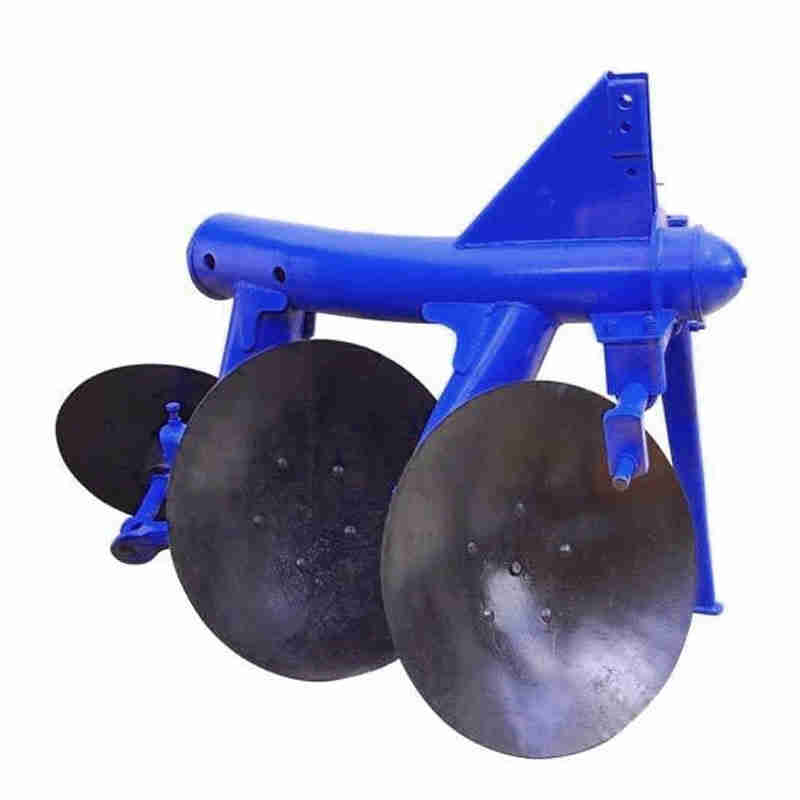
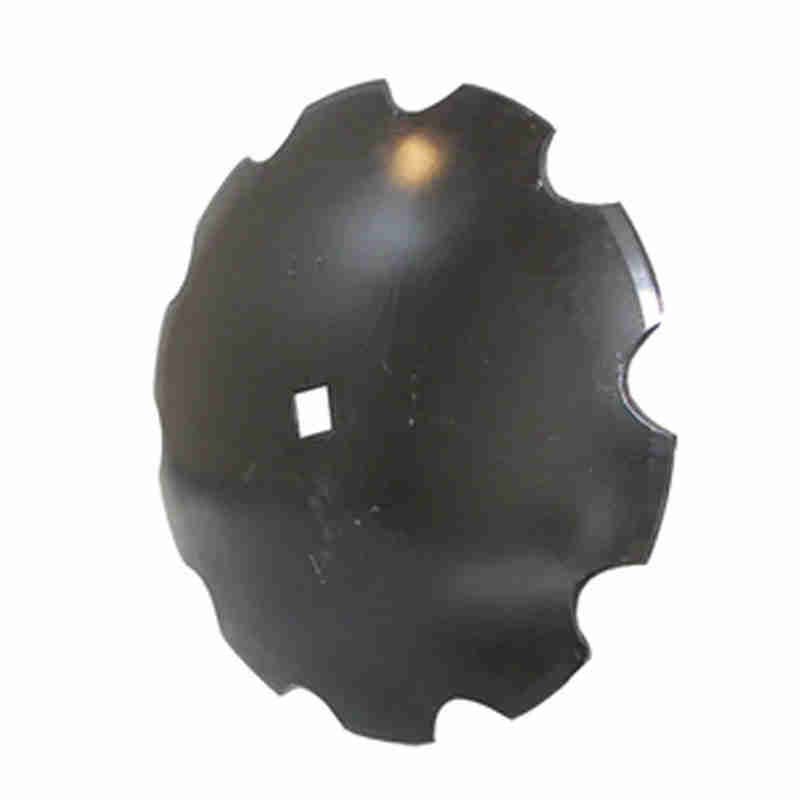
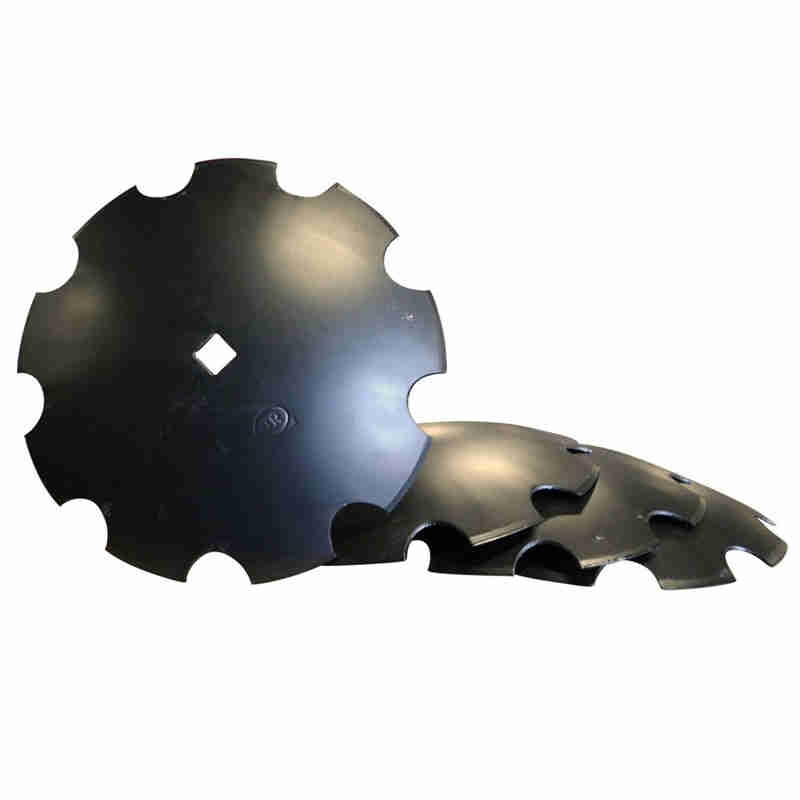
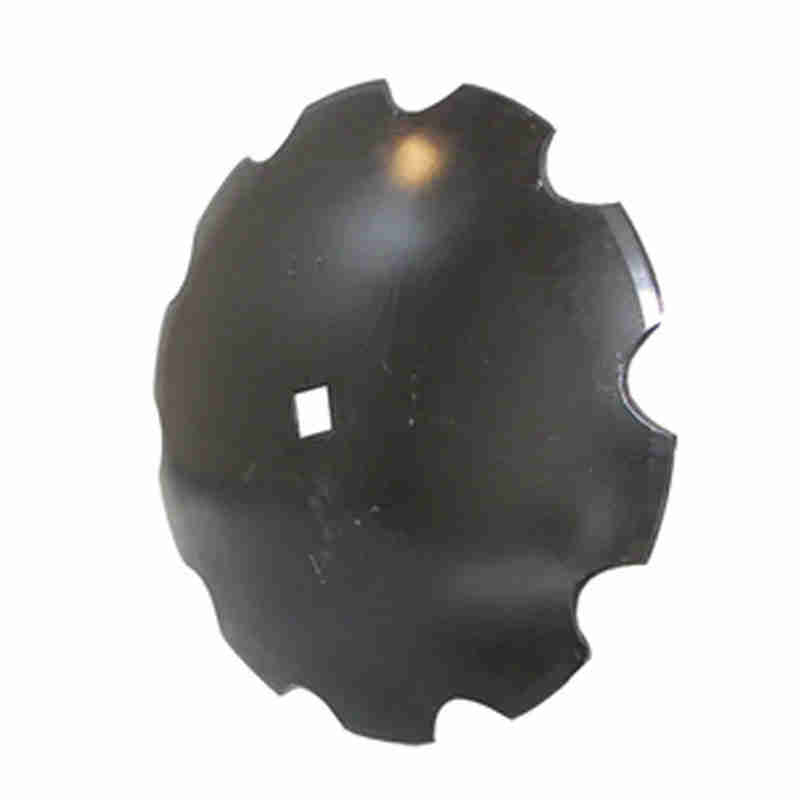
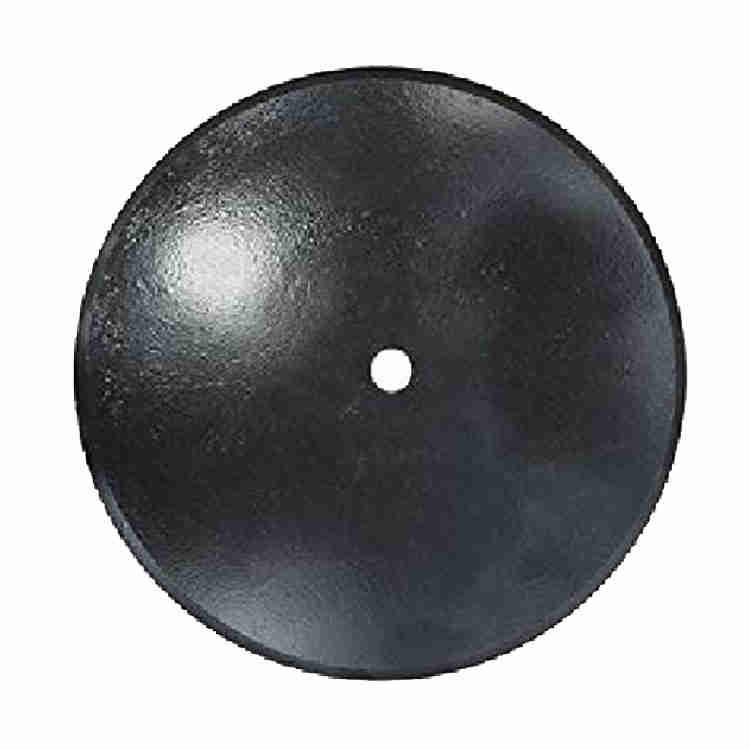
A disc harrow is an essential implement in modern agriculture, designed to break up soil clods, incorporate crop residues, and prepare seedbeds efficiently. With over two decades of expertise in agricultural machinery, we present a high-performance disc harrow that combines durability, precision, and ease of use. Whether you're managing large-scale farms or smaller plots, our disc harrow ensures optimal soil conditioning for better crop yields.
Key Features of Our Disc Harrow
- Heavy-Duty Construction: Built with reinforced steel frames and hardened discs for long-lasting performance in tough conditions.
- Adjustable Gang Angles: Allows customization of tillage depth and aggressiveness based on soil type and farming needs.
- Efficient Residue Management: Cuts and mixes crop residues evenly, promoting decomposition and soil health.
- Easy Transport: Features folding wings or hydraulic systems for convenient road travel and storage.
- Low Maintenance: Sealed bearings and corrosion-resistant coatings reduce downtime and upkeep costs.
Detailed Product Specifications
Our disc harrow is engineered to meet diverse agricultural requirements. Below is a comprehensive table of specifications to help you make an informed decision.
| Parameter |
Specification |
Description |
| Working Width |
10 ft to 40 ft |
Adjustable based on model, suitable for various farm sizes. |
| Disc Diameter |
20 inches to 28 inches |
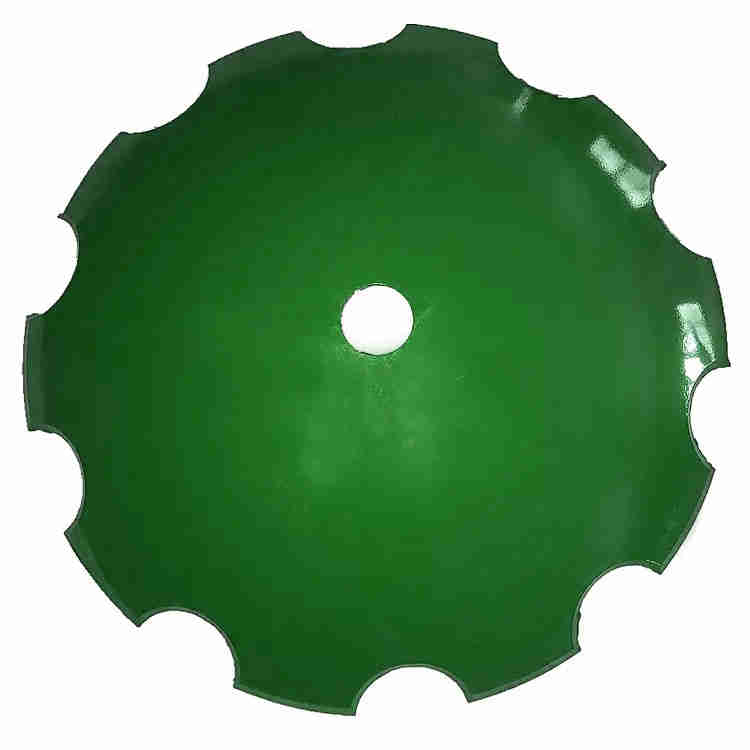
Larger discs for deeper tillage and better penetration. |
| Disc Spacing |
7 inches to 9 inches |
Optimized for residue flow and soil mixing. |
| Number of Discs |
16 to 48 |
Varies by width, ensuring thorough coverage. |
| Weight |
1,200 lbs to 5,000 lbs |
Heavy-weight design for stability and effective soil engagement. |
| Hitch Type |
Category II or III 3-point hitch |
Compatible with standard tractors for easy attachment. |
| Gang Angle Adjustment |
0° to 22° |
Hydraulic or manual adjustment for precise control. |
| Bearing Type |
Sealed ball bearings |
Reduces maintenance and extends lifespan. |
| Frame Material |
High-tensile steel |
Resists bending and wear under heavy loads. |
| Recommended Tractor HP |
60 HP to 200 HP |
Matched to harrow size for optimal performance. |
Applications and Benefits
Our disc harrow excels in various farming operations, including primary tillage, secondary tillage, seedbed preparation, and weed control. It improves soil aeration, enhances water infiltration, and promotes uniform seed germination. By reducing the number of passes needed, it saves time, fuel, and labor costs, making it a cost-effective solution for sustainable agriculture.
Frequently Asked Questions (FAQs)
What is a disc harrow used for?
A disc harrow is primarily used for breaking up and smoothing out soil after plowing, incorporating organic matter, and preparing a fine seedbed for planting. It helps in managing crop residues and controlling weeds.
How does a disc harrow differ from a plow?
Unlike a plow that inverts the soil deeply, a disc harrow cuts and mixes the soil at a shallower depth, making it ideal for secondary tillage and refining the seedbed without excessive disturbance.
What factors should I consider when choosing a disc harrow?
Key factors include your soil type, farm size, tractor horsepower, desired tillage depth, and the type of crops you grow. Also, consider the disc diameter, spacing, and adjustability for versatility.
Can a disc harrow be used in rocky or hard soil?
Yes, but it's crucial to select a model with heavy-duty discs and robust construction. Adjusting the gang angle and using appropriate weight can enhance performance in challenging conditions.
How often should I maintain my disc harrow?
Regular maintenance includes greasing bearings after every 50 hours of use, inspecting discs for wear, and checking frame bolts for tightness. Annual inspections are recommended for prolonged durability.
Is a disc harrow suitable for conservation tillage?
Absolutely. Modern disc harrows are designed to minimize soil erosion and retain moisture by leaving some residue on the surface, supporting conservation tillage practices.
What is the ideal operating speed for a disc harrow?
Typically, operate at 4 to 6 mph for optimal results. Higher speeds may reduce effectiveness and increase wear, while slower speeds might not achieve desired soil breakup.
Can I attach a disc harrow to any tractor?
Ensure your tractor has the correct hitch category (e.g., Category II or III) and sufficient horsepower to pull the harrow effectively. Refer to the manufacturer's recommendations for compatibility.
How do I adjust the tillage depth?
Depth can be adjusted by changing the gang angle or adding weight to the frame. Some models feature hydraulic controls for on-the-go adjustments during operation.
Does a disc harrow work well in wet soil conditions?
It's not recommended for very wet soils as it can cause compaction and poor tillage. Wait for soil to dry to a manageable moisture level for best results.