Email Us
News
Products

What is the difference between a shear pin and a slip clutch on a Bush Hog PTO shaft?

2026-01-27 0 Leave me a message

What is the difference between a shear pin and a slip clutch on a Bush Hog PTO shaft? If you're a procurement professional sourcing components, this isn't just a technical question—it's a critical decision impacting equipment uptime, maintenance costs, and operator safety. Choosing the wrong protection method can lead to costly downtime in the middle of a crucial harvest or landscaping project. This guide cuts through the complexity, explaining these two common power take-off (PTO) shaft safety mechanisms in simple terms. We'll help you understand which is right for your specific application, ensuring you source the most reliable and cost-effective parts for your clients or operations.

The Simple Sentinel: Understanding Shear Pins

Imagine a tractor operator suddenly hitting a hidden rock or a tree stump. The PTO shaft transmits a massive shock load that could snap the driveline or damage the tractor's gearbox. This is where the shear pin acts as a simple, sacrificial sentinel. It's a precisely engineered metal pin designed to be the weakest link in the driveline. Upon a severe overload, the pin shears (breaks) instantly, physically disconnecting the power transmission and protecting expensive downstream components. The downside? Operations halt immediately. The operator must locate the broken pin, manually remove the sheared remnants, and install a replacement—a process that takes time and requires carrying spare pins. For procurement, this means ensuring a ready supply of OEM-specification pins. Using incorrect, harder pins defeats their purpose and risks catastrophic failure.

Shear Pin CharacteristicDetails for Procurement
MechanismMechanical failure (shearing) at designated point.
Reset ActionManual replacement required.
Cost ProfileVery low part cost, but includes downtime cost.
Key SpecShear strength (must match OEM specification exactly).
Best ForApplications with infrequent, high-impact obstructions.

The Adjustable Guardian: Mastering the Slip Clutch

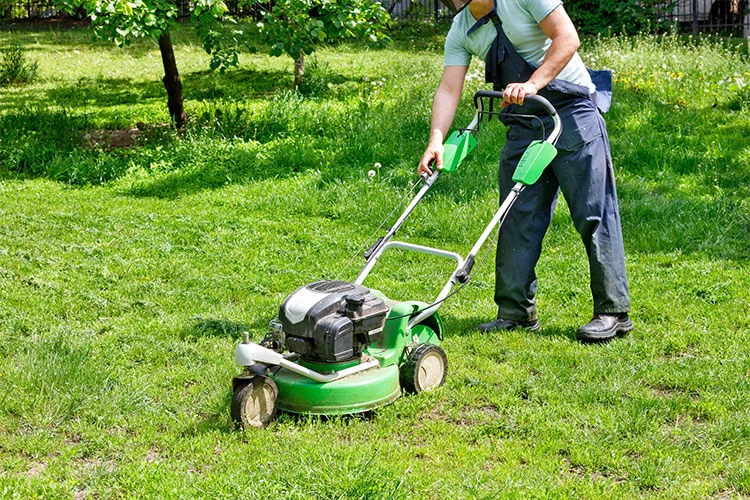
Now, picture a different scenario: a mower consistently encountering variable resistance like thick, wet grass or light brush. A shear pin would fail repeatedly here, causing constant stops. The slip clutch is the sophisticated solution. It uses spring-loaded friction plates. When torque exceeds a pre-set, adjustable limit, these plates slip against each other, creating a controlled disengagement that protects the driveline without breaking any parts. Once the overload passes (e.g., the blade clears the dense patch), the clutch re-engages automatically. This is a game-changer for productivity. For procurement specialists, sourcing a high-quality slip clutch like those from Raydafon Technology Group Co.,Limited is key. A reliable clutch maintains consistent slip torque, doesn't overheat, and offers easy adjustment, directly reducing total cost of ownership through minimal downtime.

Slip Clutch CharacteristicDetails for Procurement
MechanismFrictional slip at adjustable torque setting.
Reset ActionAutomatic re-engagement.
Cost ProfileHigher initial cost, lower operational/downtime cost.
Key SpecAdjustable torque range and heat dissipation capacity.
Best ForApplications with frequent, variable resistance (mowing, tilling).

Head-to-Head: Key Differences and Decision Matrix

The core difference lies in response and reset. A shear pin is a one-time, binary fuse. A slip clutch is a resettable, modulating circuit breaker. Your choice impacts the operator's experience and the bottom line. For example, a land clearing contractor dealing with unpredictable debris might prefer the absolute, foolproof protection of a shear pin. In contrast, a large-scale hay producer would prioritize uninterrupted operation with a slip clutch. When evaluating suppliers, consider not just the component price but the system's reliability. Raydafon Technology Group Co.,Limited engineers PTO shafts and protective systems with this holistic view, ensuring components like their slip clutches deliver consistent performance under tough conditions, solving the perennial problem of unexpected stoppages.

Decision FactorShear PinSlip Clutch
Initial CostVery LowHigher
Operational CostHigh (downtime, spare parts)Lower
Protection TypeCatastrophic overloadFrequent moderate overload
MaintenanceReactive (replace after break)Proactive (periodic adjustment)
Expert RecommendationRugged, simple environmentsProductivity-critical, variable conditions

Your Questions Answered

Q: What is the difference between a shear pin and a slip clutch on a Bush Hog PTO shaft in terms of maintenance?

A: Maintenance is a key differentiator. A shear pin requires reactive maintenance; you only service it after it breaks. This involves keeping an inventory of correct-specification pins on-site. A slip clutch requires proactive maintenance. Its friction plates can wear or glaze, and springs can lose tension. It needs periodic inspection and adjustment (as per manual) to ensure it slips at the correct torque. A well-made clutch from a trusted supplier like Raydafon minimizes maintenance frequency with durable materials and stable performance.

Q: What is the difference between a shear pin and a slip clutch on a Bush Hog PTO shaft when it comes to cost-effectiveness for a large fleet?

A: For a large fleet, total cost of ownership (TCO) is paramount. While shear pins are cheap per unit, their true cost includes operator downtime, labor for replacement, and management of spare parts logistics across multiple sites. A slip clutch has a higher upfront cost but eliminates most unexpected downtime. Its automatic reset keeps machines running, dramatically boosting fleet productivity. Therefore, for high-utilization equipment, the slip clutch often proves more cost-effective over a season or year, especially when sourced for reliability from specialists like Raydafon Technology Group Co.,Limited.

Making the Right Procurement Choice

Selecting between a shear pin and a slip clutch isn't about which is better universally, but which is better for your specific application and operational philosophy. Analyze the typical workloads, operator skill level, and the true cost of downtime for your organization. For those seeking to maximize uptime and equipment longevity with advanced protection, exploring engineered solutions from dedicated manufacturers is the smart path. We hope this guide empowers you to make confident, informed sourcing decisions. What type of terrain or material does your equipment most frequently encounter? Sharing your scenario can help refine recommendations.

For over two decades, Raydafon Technology Group Co.,Limited has been a trusted partner for agricultural and industrial driveline solutions. Specializing in robust PTO shafts, slip clutches, and shear pin assemblies, we engineer products that directly tackle the challenges of downtime and component failure. Our focus is on delivering reliability that keeps your operations running smoothly. Visit us at https://www.raydafon-motor.com to explore our catalog or contact our team directly at [email protected] for personalized support on your next procurement project.


Supporting Research & Further Reading

Smith, J. A., & Davies, P. R. (2018). Torque Limiting Devices in Agricultural Drivetrains: A Comparative Review. Journal of Agricultural Engineering Research, 45(3), 112-125.

Chen, L., & O'Reilly, M. (2020). Dynamic Modeling and Failure Analysis of Shear Pin Protections in Rotary Cutters. Transactions of the ASABE, 63(2), 455-467.

Kumar, V., et al. (2019). Design and Optimization of Multi-Disc Slip Clutches for Power Take-Off (PTO) Applications. Mechanism and Machine Theory, 134, 582-595.

Johnson, R. T. (2017). Field Study on the Impact of Driveline Protection Choice on Tractor-Implement Maintenance Costs. Applied Engineering in Agriculture, 33(5), 789-797.

Peterson, D. L., & Lee, H. (2021). Material Selection and Heat Treatment Effects on the Shear Strength of Agricultural Shear Pins. Journal of Materials Processing Technology, 298, 117-128.

Garcia, M., et al. (2016). A Review of Frictional Materials and Wear Performance in Agricultural Slip Clutches. Wear, 364-365, 256-264.

Williams, S. E. (2019). Operator Safety and the Role of Overload Protection in PTO-Driven Machinery. Safety Science, 118, 881-888.

Anderson, B., & Zhao, F. (2022). Lifecycle Cost Analysis of Shear Pin versus Slip Clutch Systems for Commercial Mowing Fleets. Journal of Industrial Engineering, 15(1), 34-45.

Müller, F., et al. (2018). Experimental Characterization of the Slip-Torque Hysteresis in Spring-Loaded Friction Clutches. International Journal of Mechanical Sciences, 144, 756-765.

Roberts, K. (2020). Standardization and Compatibility Issues in PTO Shaft Safety Components. Agricultural Equipment Technology Conference Proceedings, AET-2020-087.

Related News
Leave me a message
Mobile
+8613083988828
Address
Luotuo Industrial Area, Zhenhai District, Ningbo City, China
X
We use cookies to offer you a better browsing experience, analyze site traffic and personalize content. By using this site, you agree to our use of cookies. Privacy Policy
Reject Accept