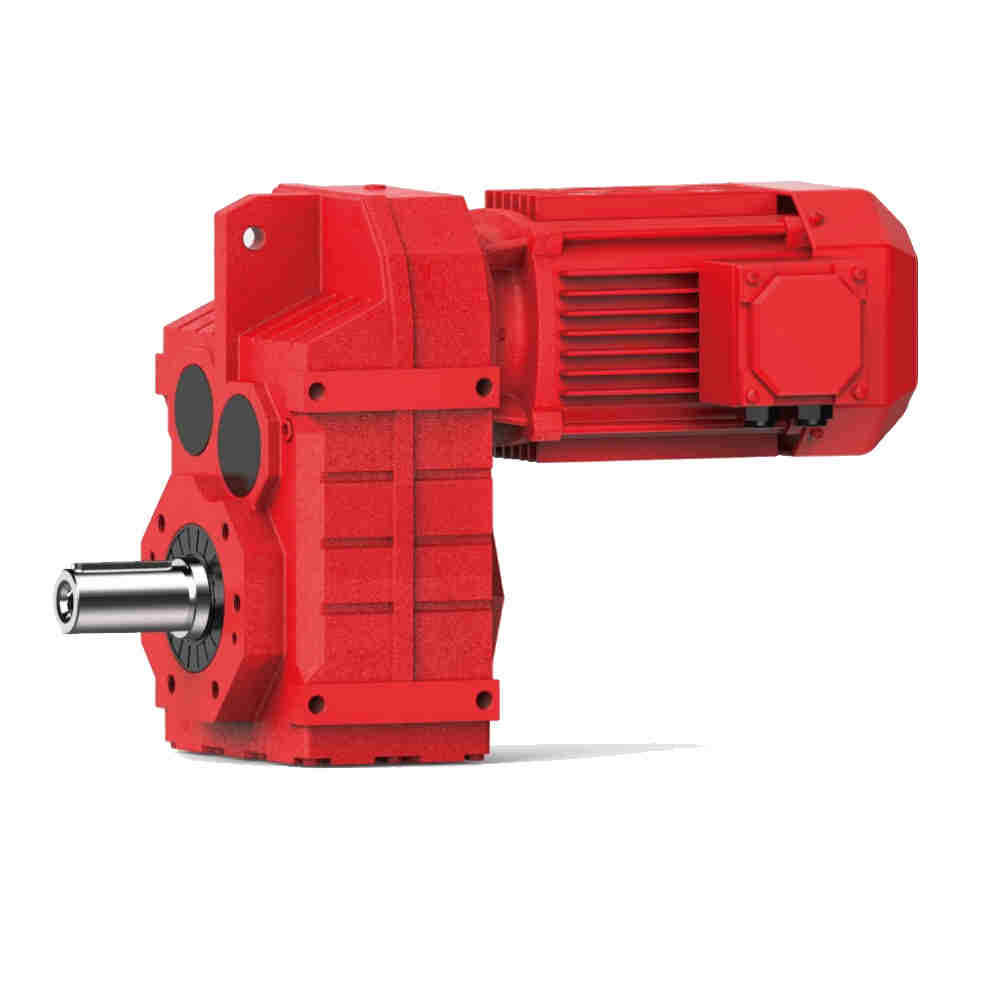
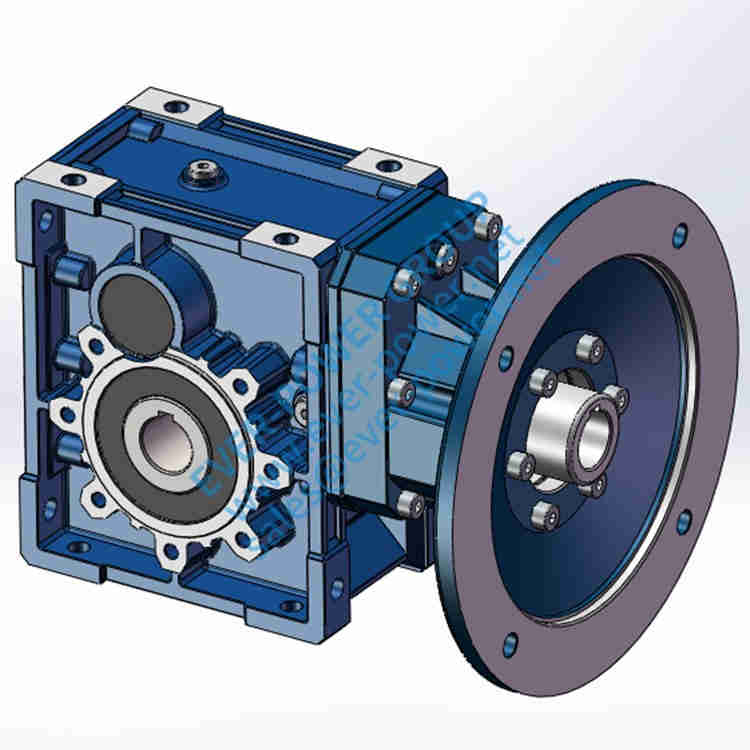
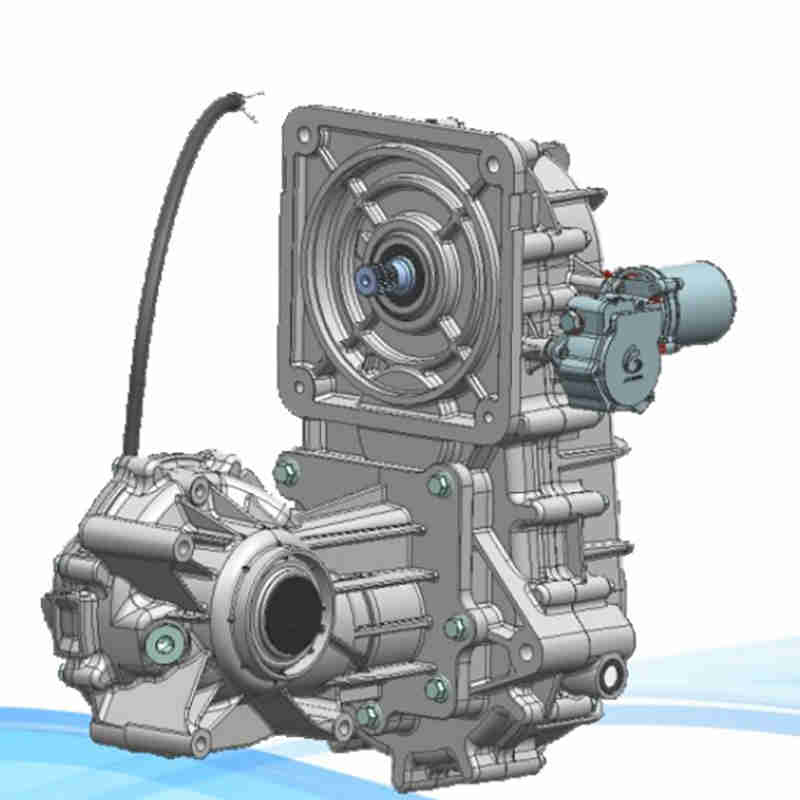
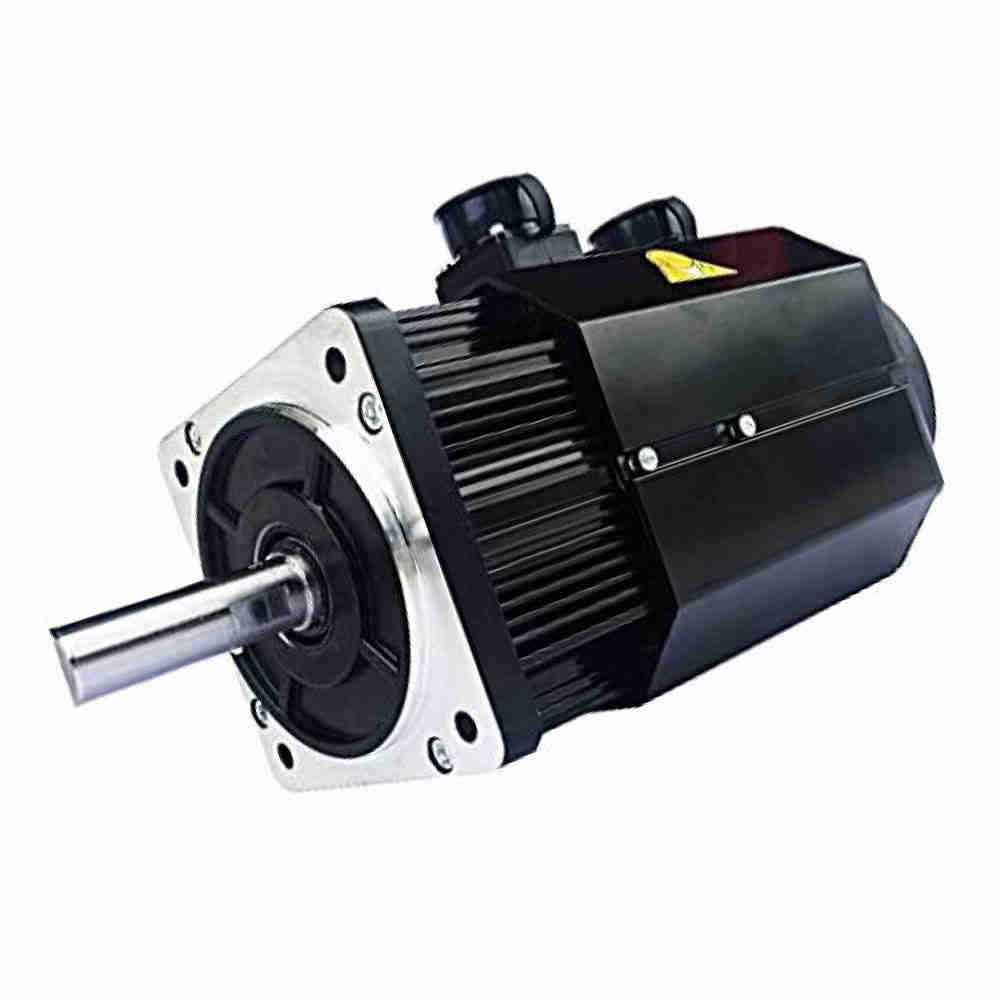
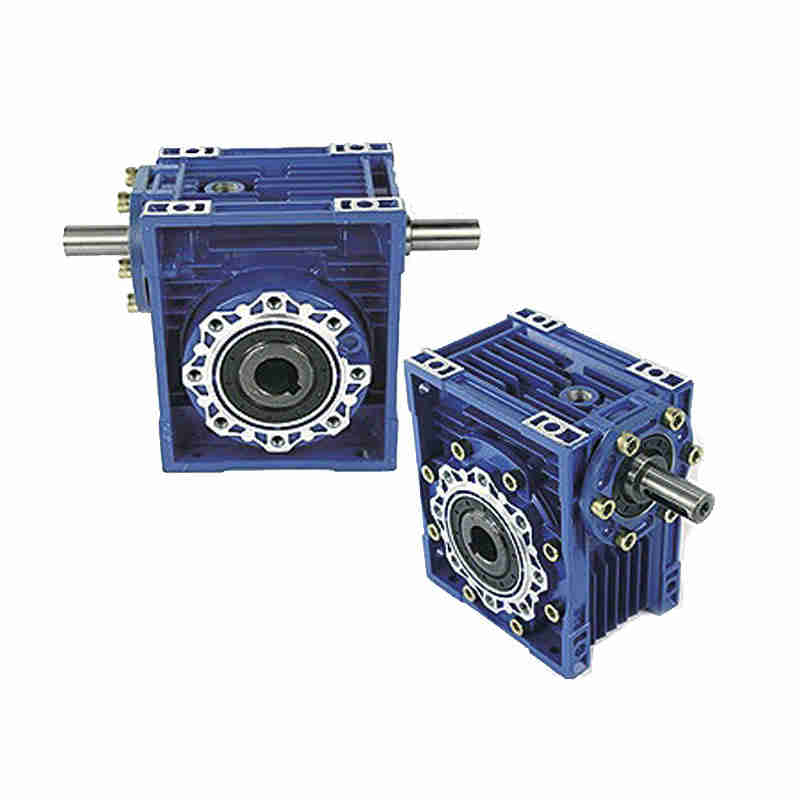
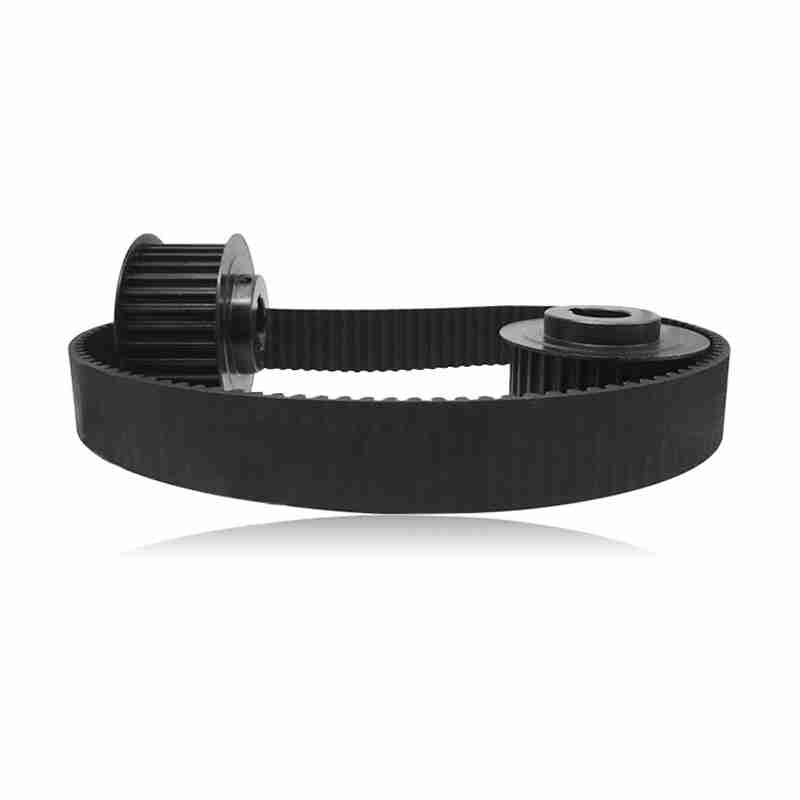
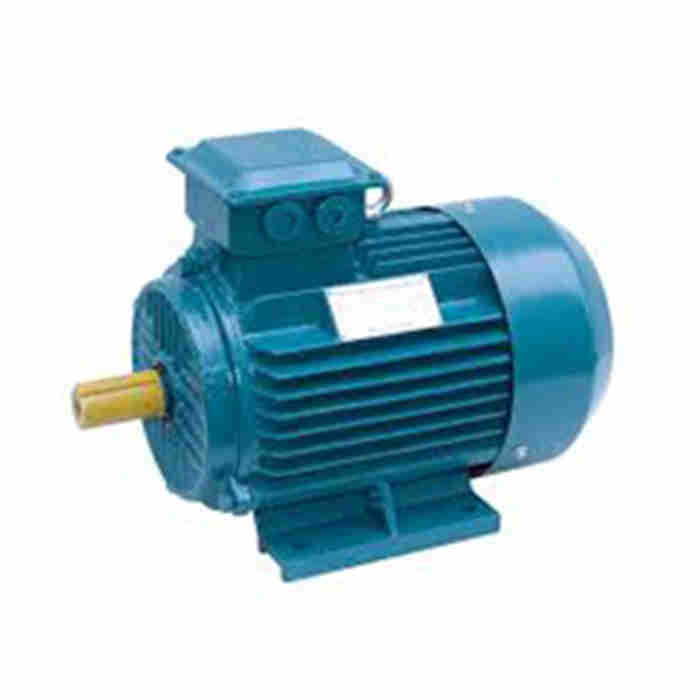
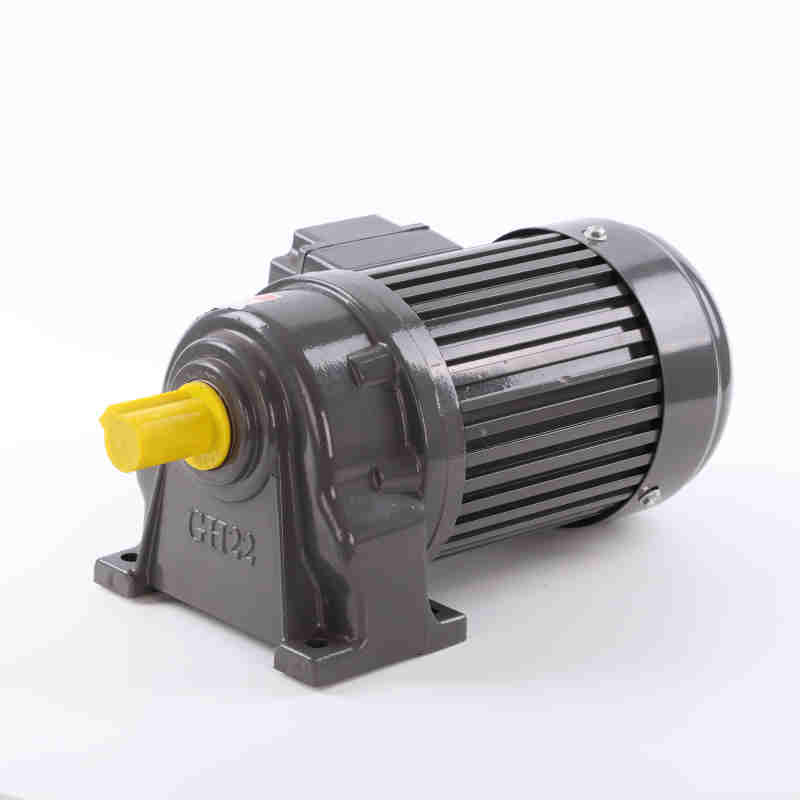
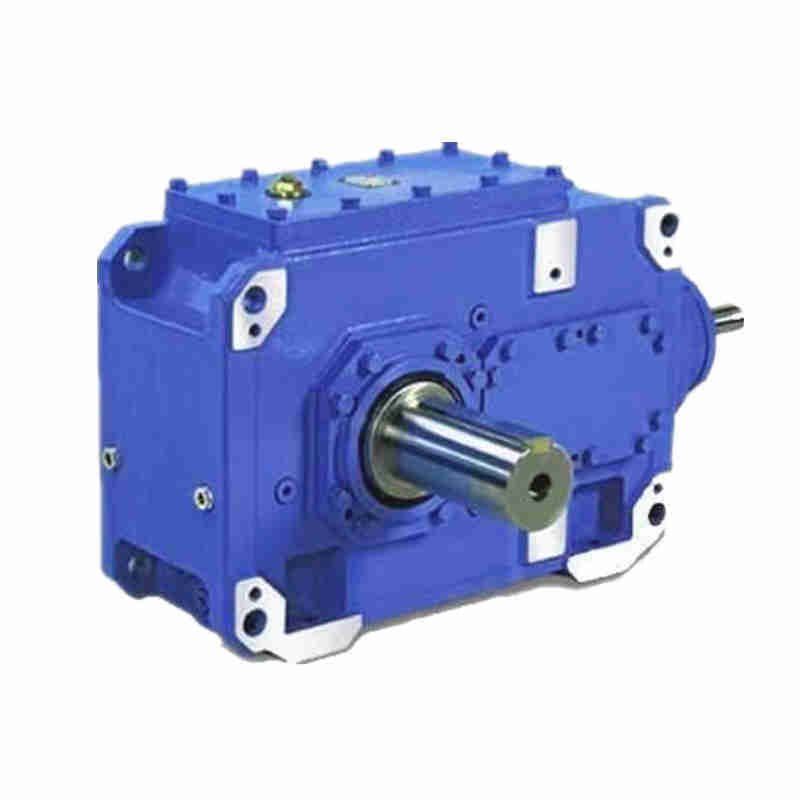
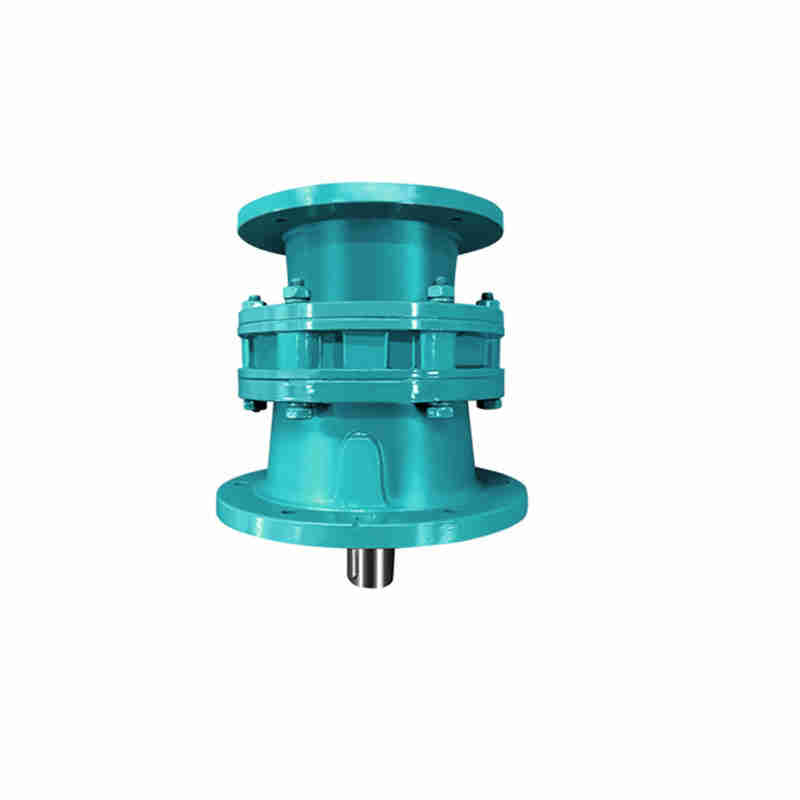
What is an Electric Motor?
An Electric Motor is a device that converts electrical energy into mechanical energy, powering countless applications from household appliances to industrial machinery. It operates on electromagnetic principles, where electric current generates a magnetic field to produce motion. This technology is essential in modern life, driving efficiency and innovation across various sectors.
Key Parameters of Electric Motors
Understanding the specifications of an electric motor helps in selecting the right model for your needs. Below are the primary parameters:
- Power Rating: Measured in watts (W) or horsepower (HP), indicating the motor's output capacity.
- Voltage: The electrical input required, commonly 12V, 24V, 110V, or 230V, depending on application.
- Speed (RPM): Revolutions per minute, defining how fast the motor rotates.
- Torque: The rotational force produced, measured in Newton-meters (Nm) or pound-feet (lb-ft).
- Efficiency: Expressed as a percentage, showing how well the motor converts electrical energy to mechanical energy.
- Insulation Class: Ratings like Class A, B, F, or H, indicating thermal tolerance and lifespan.
- Enclosure Type: Such as open drip-proof (ODP) or totally enclosed fan-cooled (TEFC), for environmental protection.
Detailed Product Specifications Table
Here is a table summarizing common electric motor models and their parameters:
| Model |
Power Rating |
Voltage |
Speed (RPM) |
Torque (Nm) |
Efficiency |
Application |
| EM-100 |
1 HP |
110V |
1725 |
4.1 |
85% |
Home appliances |
| EM-200 |
5 HP |
230V |
3450 |
10.5 |
90% |
Industrial pumps |
| EM-300 |
10 HP |
460V |
1750 |
20.3 |
92% |
Heavy machinery |
| EM-400 |
0.5 HP |
24V DC |
3000 |
1.8 |
80% |
Automotive systems |
Applications of Electric Motors
Electric motors are versatile and used in numerous fields:
- Industrial: Driving conveyor belts, compressors, and manufacturing equipment.
- Residential: Powering fans, washing machines, and air conditioners.
- Transportation: Used in electric vehicles, trains, and aviation systems.
- Renewable Energy: Integral in wind turbines and solar tracking systems.
FAQs About Electric Motors
What is the difference between AC and DC motors?
AC motors run on alternating current and are common in industrial applications due to their durability and efficiency. DC motors use direct current and offer precise speed control, making them ideal for battery-powered devices.
How do I choose the right electric motor for my application?
Consider factors like power requirements, voltage availability, speed needs, torque demands, and environmental conditions. Consult technical specifications and possibly seek expert advice to ensure compatibility.
What maintenance does an electric motor require?
Regular maintenance includes checking for wear and tear, lubricating bearings, ensuring proper alignment, and monitoring electrical connections to prevent overheating and extend lifespan.
Can electric motors be used in hazardous environments?
Yes, motors with explosion-proof or intrinsically safe designs are available for hazardous locations, complying with standards like ATEX or NEC to ensure safety.
What is the typical lifespan of an electric motor?
With proper maintenance, an electric motor can last 15-20 years or more, depending on usage intensity, operating conditions, and build quality.
How does motor efficiency impact energy costs?
Higher efficiency motors convert more electrical energy into mechanical work, reducing energy waste and lowering electricity bills over time, making them cost-effective despite a higher initial investment.
Are there environmentally friendly electric motor options?
Yes, energy-efficient models and those designed with recyclable materials help reduce carbon footprint. Motors used in electric vehicles and renewable energy systems contribute to sustainability.
What should I do if my electric motor overheats?
Overheating can result from overloading, poor ventilation, or electrical issues. Immediately shut off the motor, allow it to cool, inspect for obstructions or faults, and address the root cause before restarting.