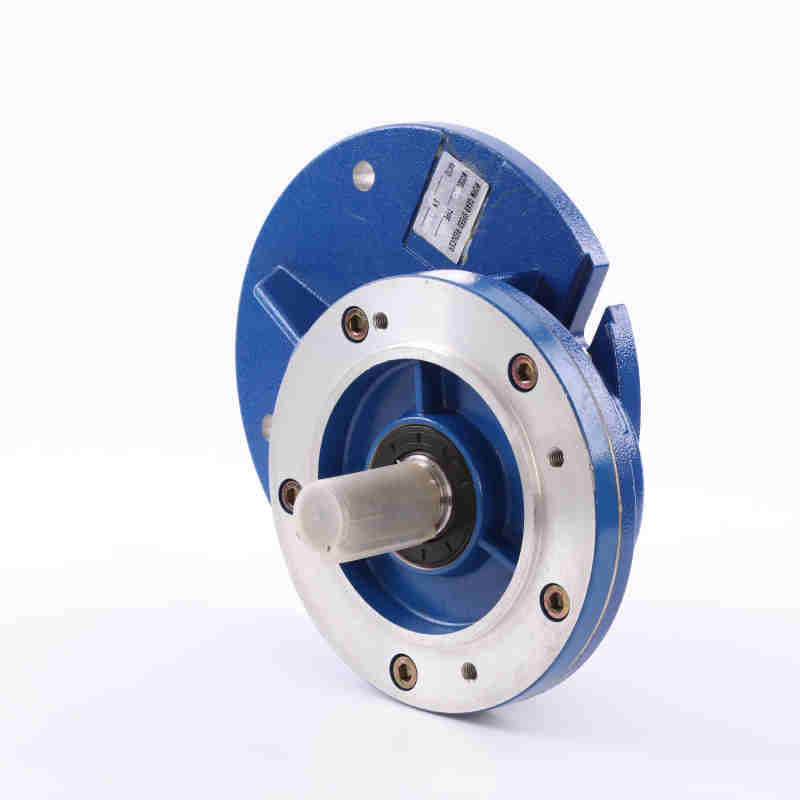
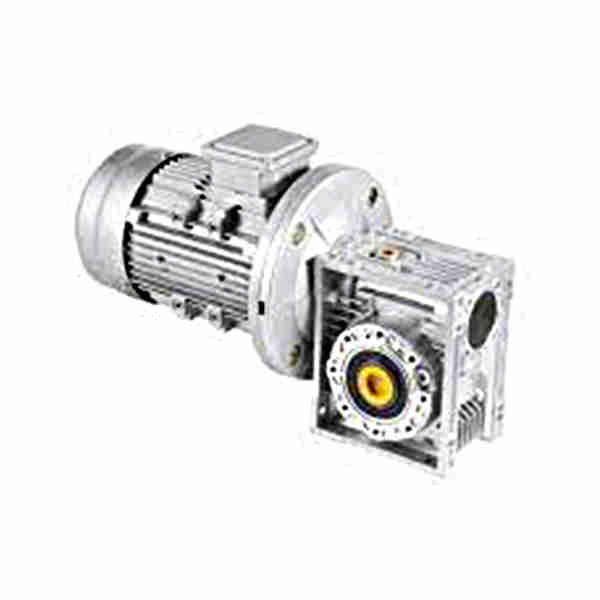
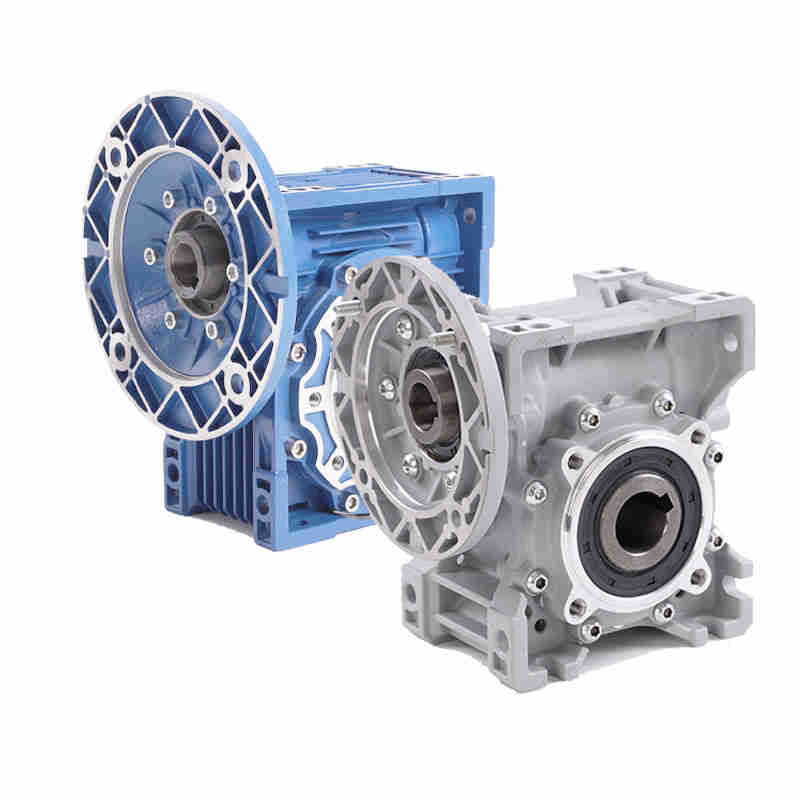
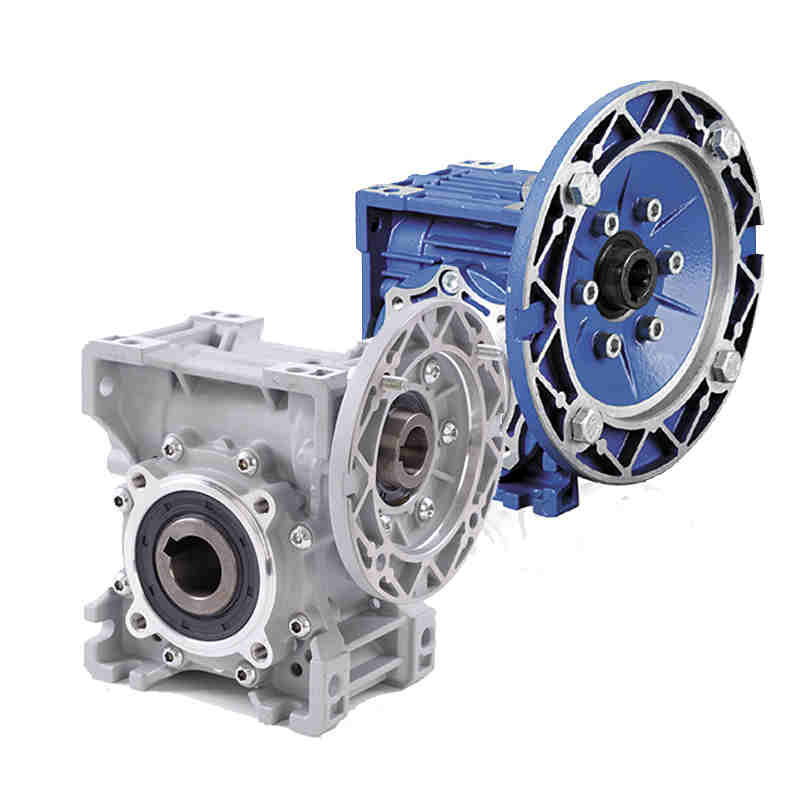
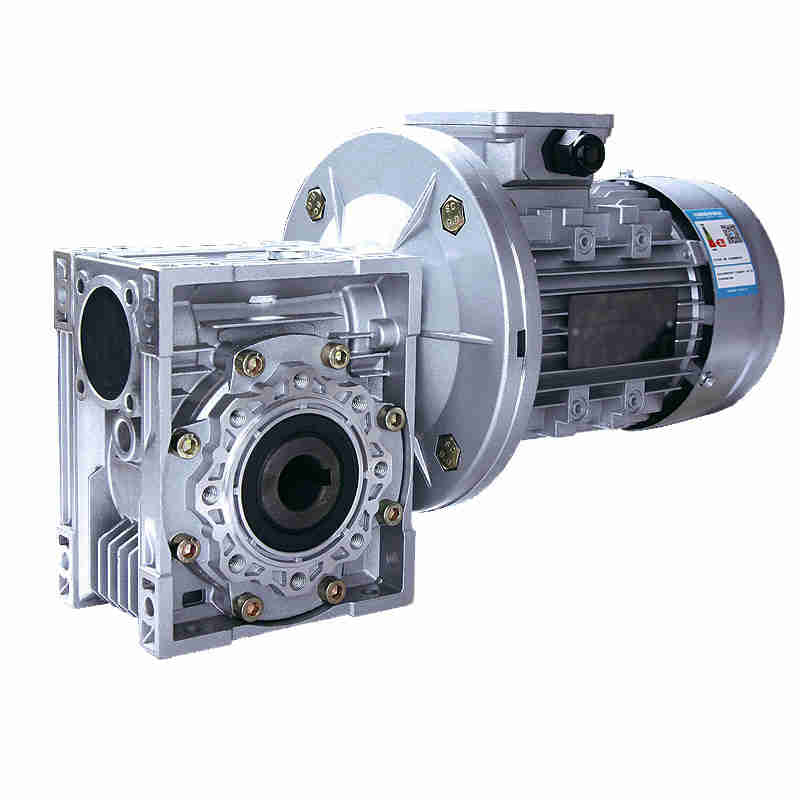
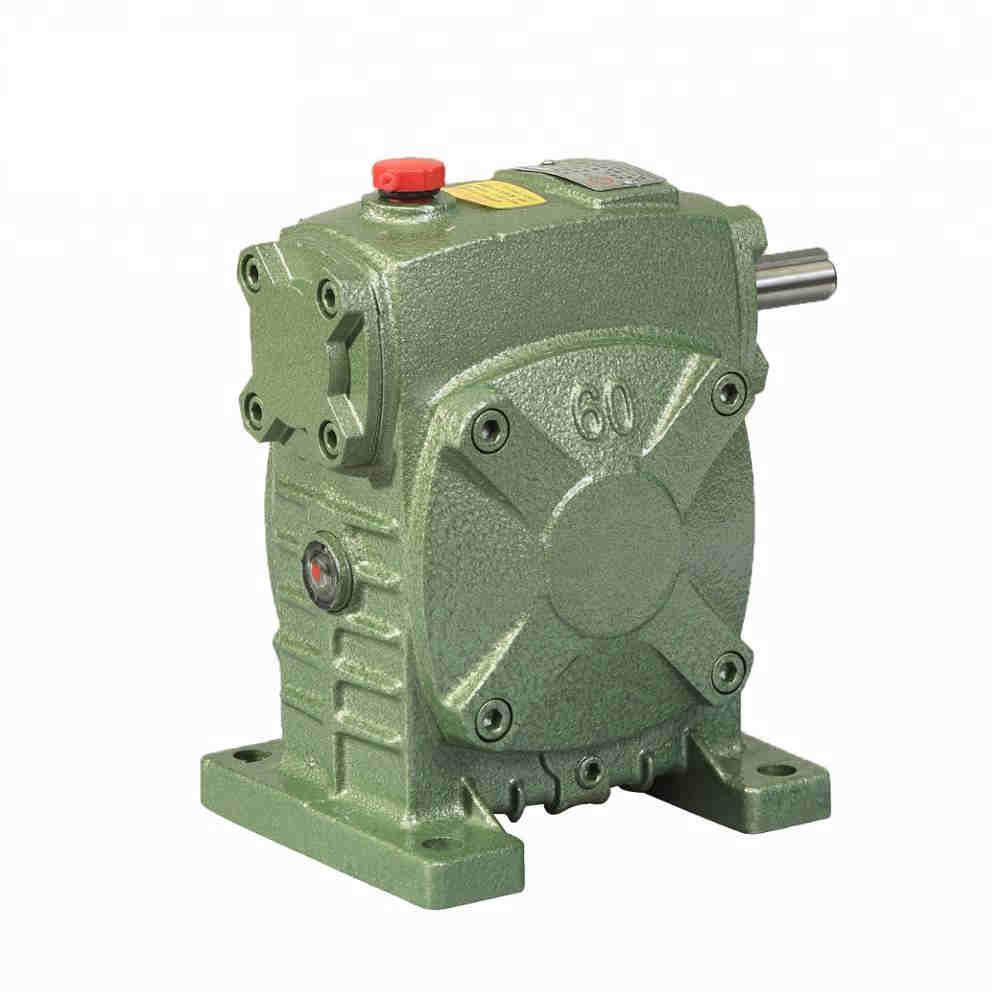
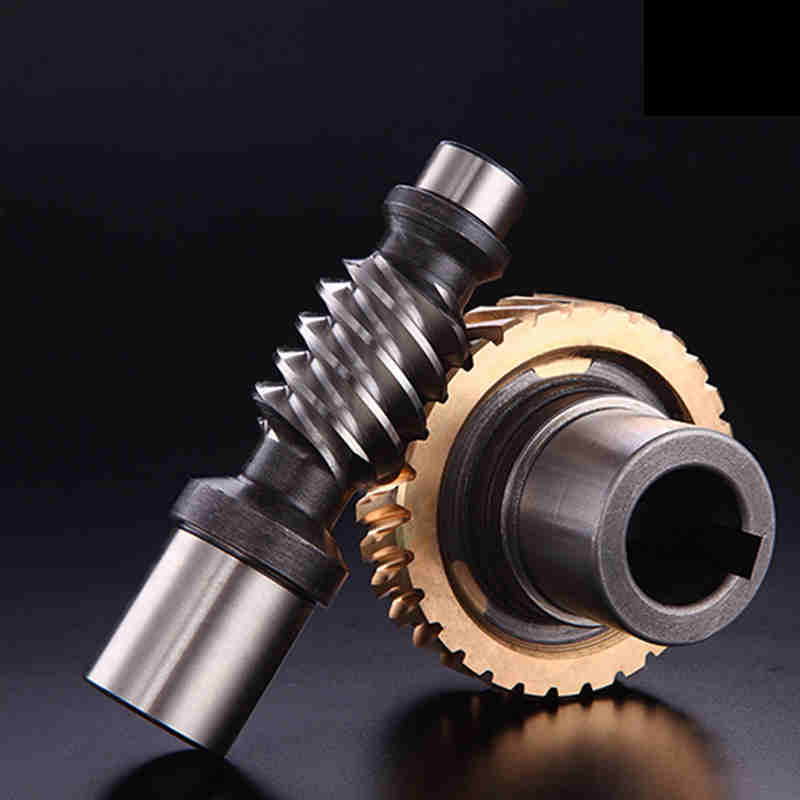
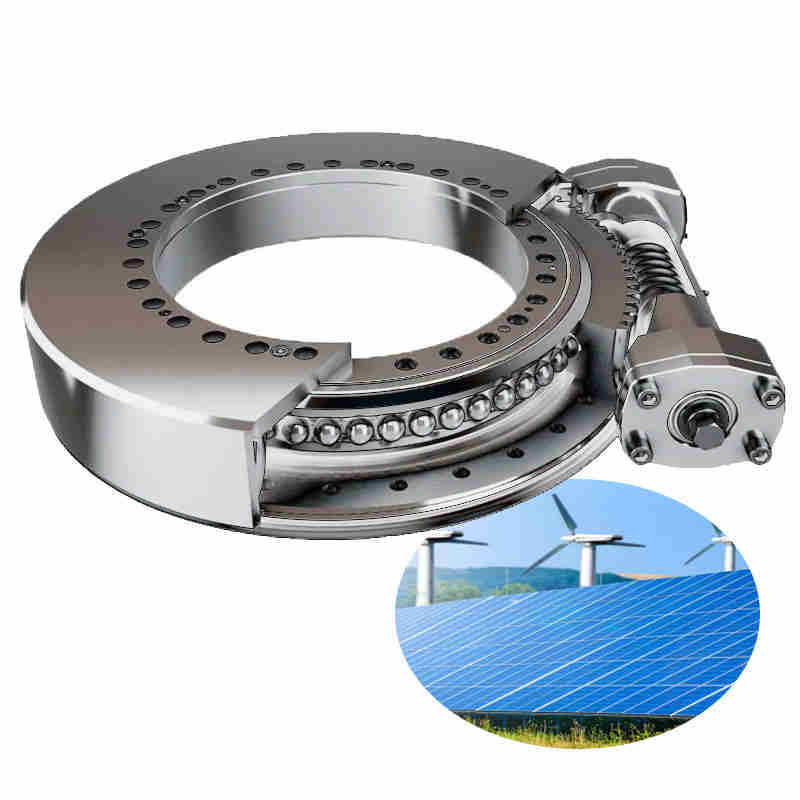
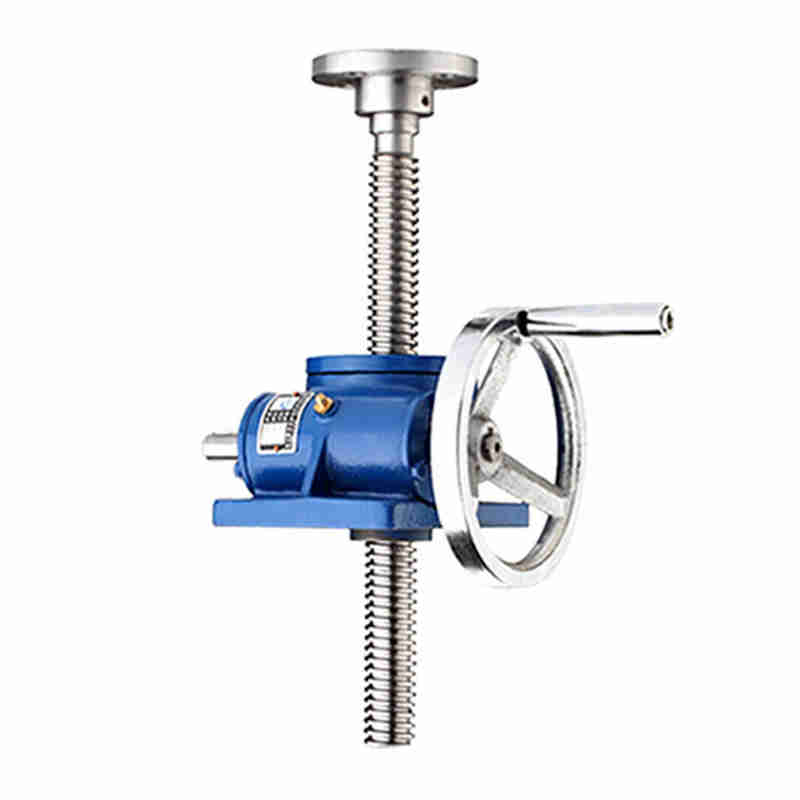
A worm gear is a type of gear arrangement where a worm (which resembles a screw) meshes with a worm wheel (similar to a spur gear). This setup enables high torque transmission with a compact design, making it ideal for applications requiring significant speed reduction and high load capacity. The unique design allows for smooth and quiet operation, often used in industrial machinery, automotive systems, and conveyor equipment.
Key Features of Our Worm Gears
Our worm gears are engineered for durability, efficiency, and precision. Below are the standout features:
- High torque output with minimal backlash
- Self-locking capability for enhanced safety
- Corrosion-resistant materials for longevity
- Compact and space-saving design
- Smooth operation with low noise levels
- Customizable ratios and sizes to meet specific needs
Product Parameters and Specifications
Our worm gears come in various configurations to suit diverse industrial requirements. Below is a detailed table of standard parameters:
| Parameter |
Description |
Standard Range |
| Gear Ratio |
The ratio of input to output speed |
5:1 to 100:1 |
| Module Size |
Measure of gear tooth size |
1 mm to 10 mm |
| Material |
Construction material for worm and wheel |
Stainless Steel, Bronze, Cast Iron |
| Efficiency |
Percentage of input power converted to output |
50% to 95% |
| Load Capacity |
Maximum load the gear can handle |
Up to 5000 Nm |
| Operating Temperature |
Temperature range for optimal performance |
-20°C to 120°C |
Applications of Worm Gears
Worm gears are versatile and used across multiple industries due to their efficiency and reliability. Common applications include:
- Conveyor systems in manufacturing plants
- Elevators and lifting equipment
- Automotive steering mechanisms
- Robotics and precision machinery
- Packaging and material handling systems
Advantages of Using Our Worm Gears
Choosing our worm gears provides several benefits tailored for high-performance environments:
- Superior durability with hardened surfaces
- Energy-efficient operation reducing power consumption
- Easy integration with existing machinery
- Low maintenance requirements due to robust design
- Compliance with international standards (e.g., ISO, ANSI)
Worm Gear FAQ
Frequently asked questions about worm gears to help you understand their functionality and selection:
What is the primary advantage of a worm gear over other gear types?
The main advantage is its ability to provide high reduction ratios in a compact space, along with self-locking features that prevent backdriving, enhancing safety in applications like lifts and hoists.
How do I determine the right worm gear ratio for my application?
The ratio depends on your required output speed and torque. Calculate the ratio by dividing the input speed by the desired output speed. For instance, if you need an output speed of 10 RPM from an input of 1000 RPM, a 100:1 ratio is suitable. Consult our technical team for custom solutions.
Can worm gears operate in high-temperature environments?
Yes, our worm gears are designed with materials that withstand temperatures up to 120°C. For higher temperatures, special coatings or materials can be used upon request.
What maintenance is required for worm gears?
Regular lubrication is essential to reduce wear and ensure smooth operation. Inspect for wear and tear periodically, and replace lubricant every 6-12 months depending on usage intensity.
Are custom sizes and materials available?
Absolutely. We offer customization in sizes, materials, and ratios to meet specific operational needs. Provide your requirements, and our engineers will design a solution tailored for you.
How does the self-locking feature work in worm gears?
The self-locking feature occurs due to the high friction between the worm and wheel, which prevents the wheel from driving the worm backward. This is ideal for applications where holding a load in position is critical, such as in jacks or conveyors.
What industries commonly use worm gears?
They are widely used in industries like automotive, aerospace, manufacturing, robotics, and construction for applications requiring precise motion control and high torque.
How do I install a worm gear system?
Installation involves aligning the worm and wheel accurately, securing them with appropriate mounts, and ensuring proper lubrication. Follow the manufacturer's guidelines or seek professional assistance to avoid misalignment issues.