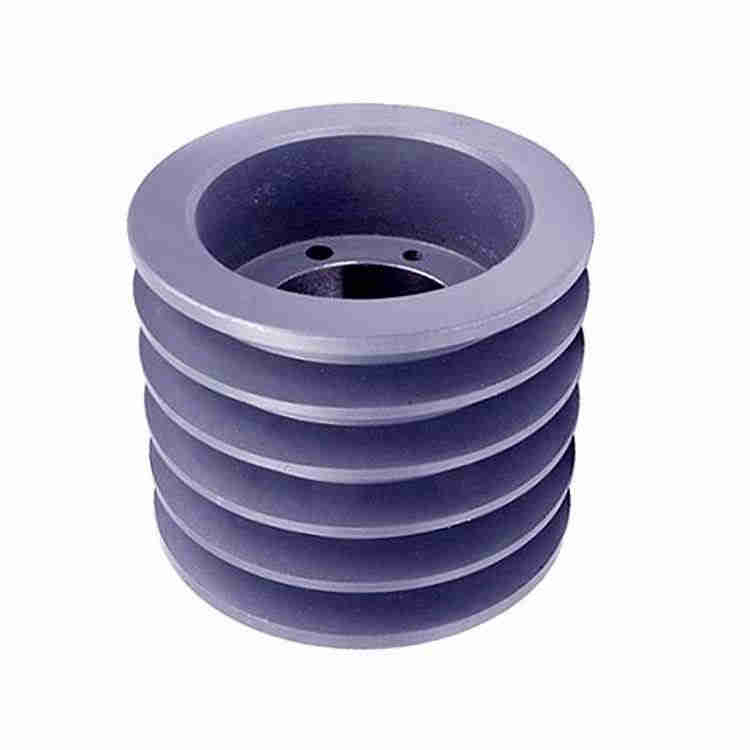
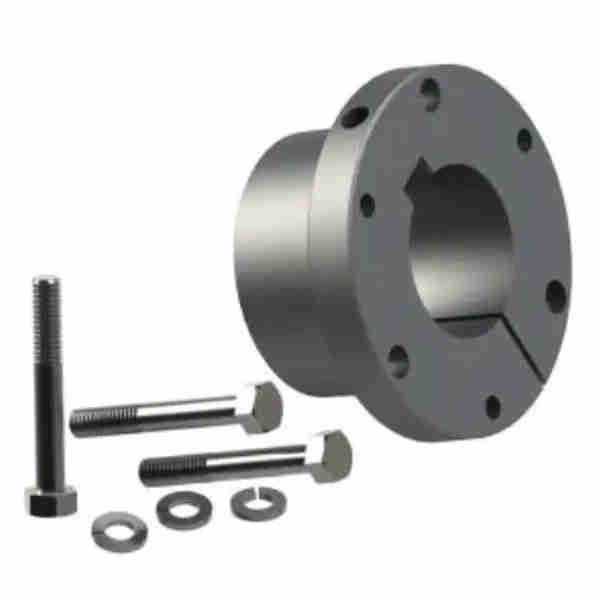
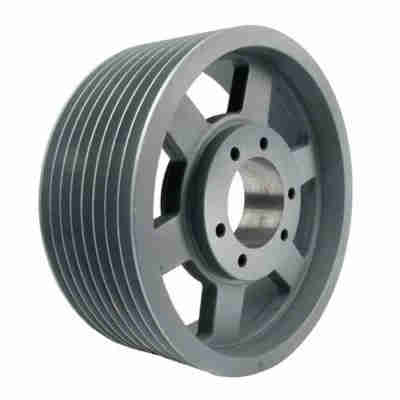
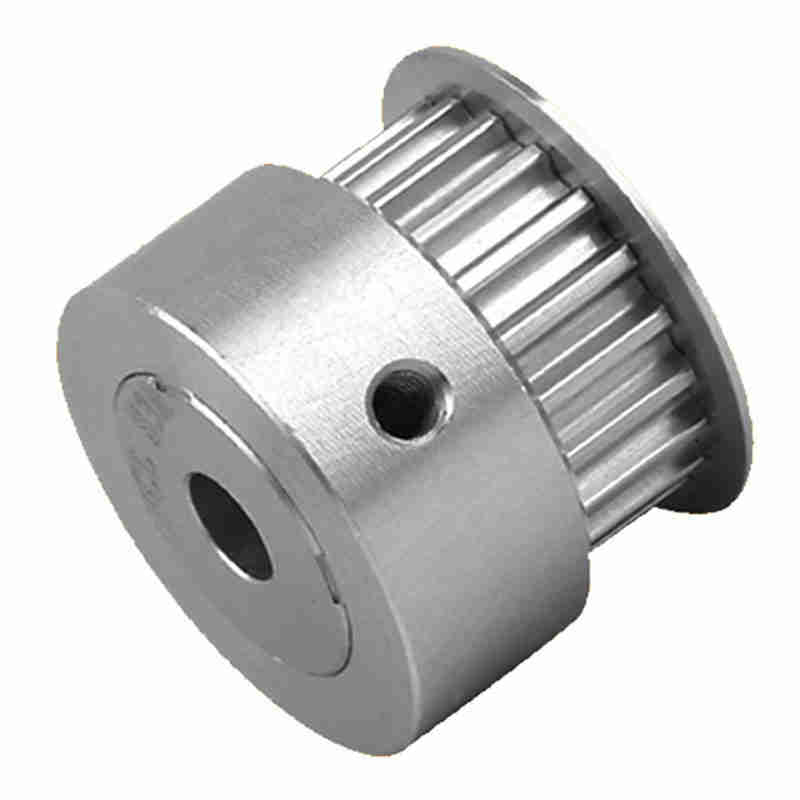
What is a V-Belt Pulley?
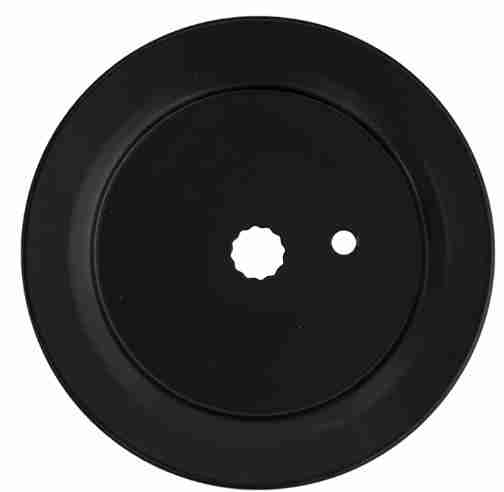
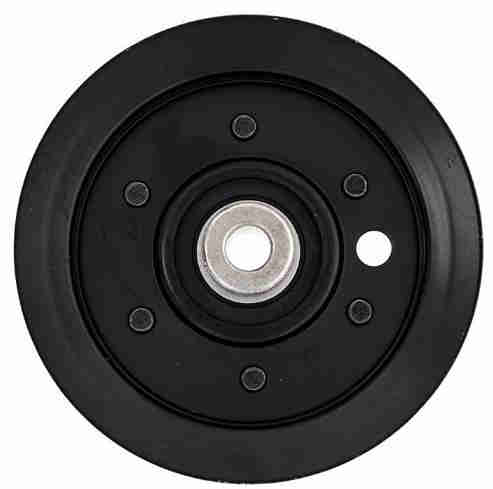
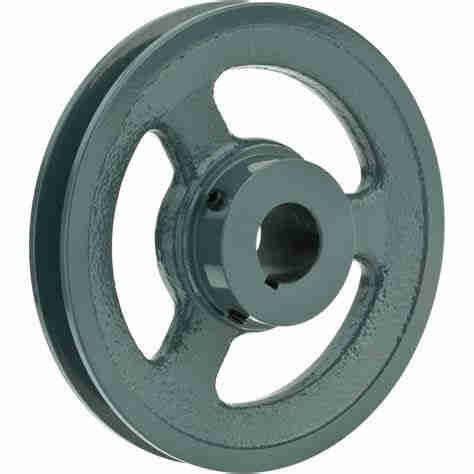
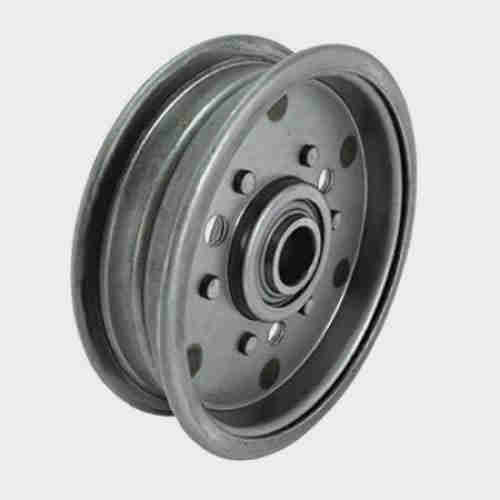
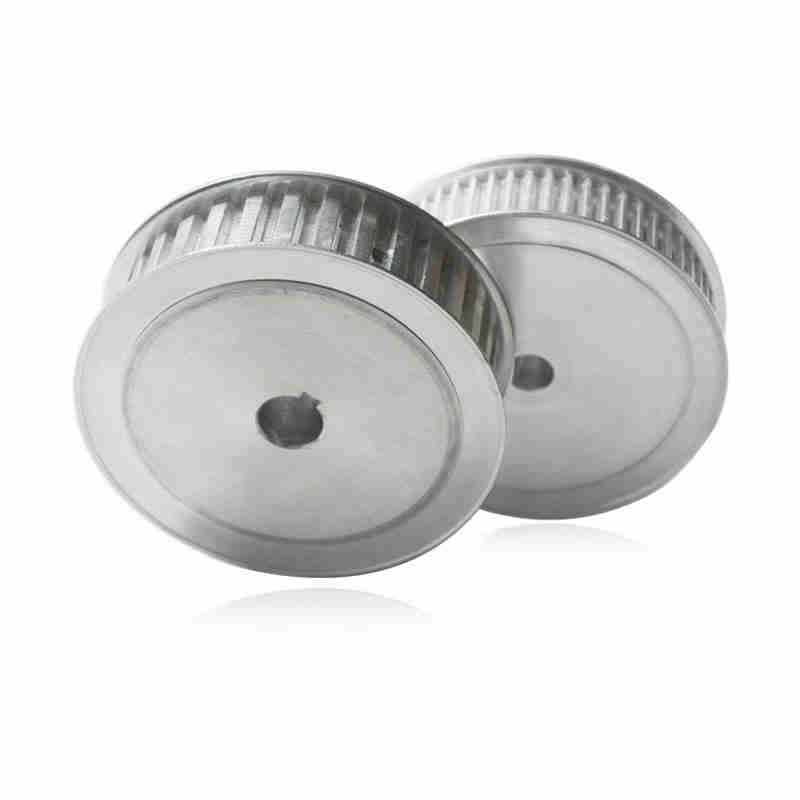
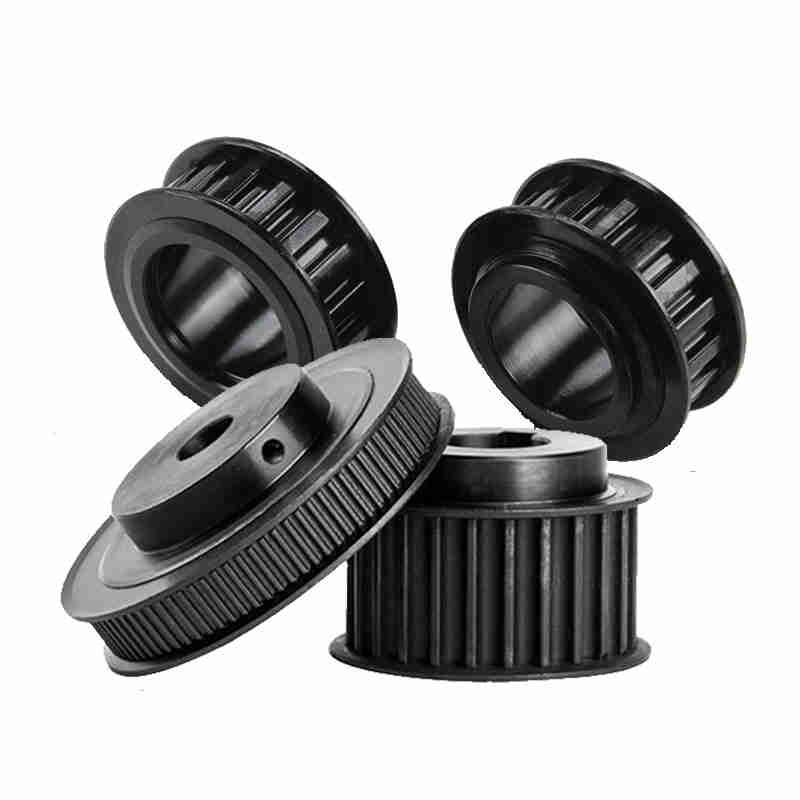
A V-belt pulley is a mechanical component designed to transmit power between axles by using a V-belt, which fits into the groove of the pulley. This system is widely used in various industrial and automotive applications due to its efficiency, reliability, and ability to handle high torque loads. The V-shape of the belt and pulley groove creates a wedging action, which increases friction and prevents slippage, ensuring smooth and consistent power transmission.
Key Features of Our V-Belt Pulleys
- Made from high-grade materials such as cast iron, aluminum, or steel for durability and longevity.
- Precision-machined grooves to ensure optimal belt fit and reduce wear.
- Available in multiple sizes and configurations to suit various applications.
- Designed to operate efficiently under high-speed and high-torque conditions.
- Corrosion-resistant finishes for use in harsh environments.
- Easy to install and maintain, with compatibility across standard V-belt types.
Detailed Product Parameters
Our V-belt pulleys are manufactured to meet strict industry standards. Below is a table summarizing the key parameters for our product line, including dimensions, materials, and performance specifications.
| Parameter |
Specification |
Description |
| Outer Diameter (OD) |
2 inches to 24 inches |
Determines the pulley size and affects speed ratio. |
| Bore Size |
0.5 inches to 6 inches |
Inner diameter for shaft mounting; can be custom-sized. |
| Number of Grooves |
1 to 8 grooves |
More grooves allow for higher power transmission capacity. |
| Groove Angle |
38° or 40° |
Standard angles for compatibility with common V-belts. |
| Material |
Cast Iron, Aluminum, Steel |
Choose based on application needs: cast iron for durability, aluminum for lightweight, steel for high strength. |
| Max RPM |
Up to 10,000 RPM |
Maximum rotational speed without failure; varies with size and material. |
| Load Capacity |
5 HP to 500 HP |
Power handling capability dependent on pulley size and design. |
| Weight |
0.5 lbs to 50 lbs |
Varies with material and dimensions; aluminum is lighter than cast iron. |
Applications of V-Belt Pulleys
V-belt pulleys are versatile and used in numerous industries. Common applications include:
- Automotive systems: Serpentine belts in engines for accessories like alternators and water pumps.
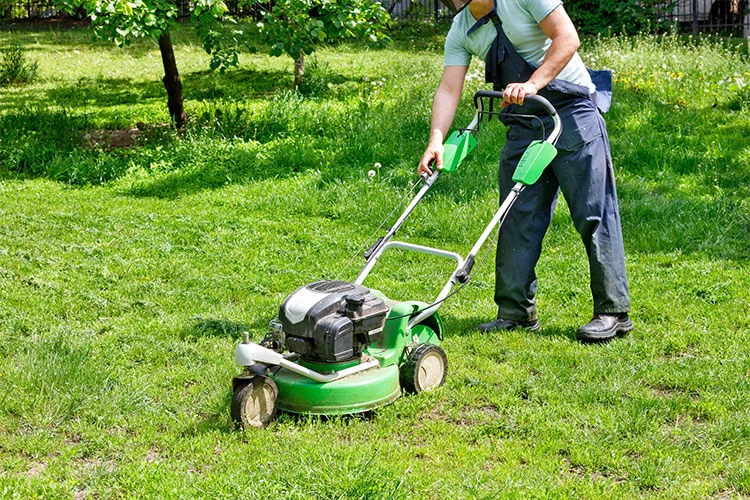
- Industrial machinery: Conveyor systems, pumps, compressors, and agricultural equipment.
- HVAC systems: Fans and blowers for air circulation.
- Manufacturing equipment: Lathes, mills, and other machine tools.
- Home appliances: Washing machines and dryers where quiet operation is essential.
Advantages of Using Our V-Belt Pulleys
- High efficiency: Minimal energy loss due to reduced slippage.
- Durability: Long service life with minimal maintenance requirements.
- Versatility: Compatible with a wide range of V-belt types and sizes.
- Cost-effective: Affordable solution for power transmission compared to other systems.
- Noise reduction: Smooth operation leads to quieter performance in applications.
FAQ Section
What is a V-belt pulley used for?
A V-belt pulley is used to transmit power between two shafts using a V-belt. It is commonly found in engines, industrial machinery, and appliances to drive components like fans, pumps, and compressors efficiently.
How do I choose the right V-belt pulley size?
To choose the right size, consider the shaft diameter (bore size), the required speed ratio (based on outer diameter), the number of grooves needed for power capacity, and the environmental conditions (e.g., material for corrosion resistance). Refer to our product table for specifications.
What materials are V-belt pulleys made from?
V-belt pulleys are typically made from cast iron, aluminum, or steel. Cast iron offers excellent durability and wear resistance, aluminum is lightweight and corrosion-resistant, and steel provides high strength for heavy-duty applications.
Can V-belt pulleys be used in high-speed applications?
Yes, our V-belt pulleys are designed to handle speeds up to 10,000 RPM, depending on the size and material. Always check the max RPM specification for the specific pulley to ensure safe operation.
How do I maintain a V-belt pulley system?
Regular maintenance includes inspecting for wear on the pulley grooves and the V-belt, ensuring proper tension to prevent slippage, and lubricating bearings if applicable. Replace components if signs of excessive wear or damage are present.
What is the difference between a V-belt pulley and other pulleys?
A V-belt pulley has a grooved design that matches the V-shaped belt, providing better grip and efficiency compared to flat belt pulleys. It is ideal for applications requiring high torque and minimal slippage.
Are V-belt pulleys customizable?
Yes, we offer customization options for bore size, number of grooves, material, and finish to meet specific application requirements. Contact our team for details on custom orders.
How long does a V-belt pulley typically last?
With proper installation and maintenance, a V-belt pulley can last for many years, often exceeding 10,000 hours of operation. Lifespan depends on factors like load, speed, and environmental conditions.
Can I replace a V-belt pulley myself?
Yes, if you have basic mechanical skills. Ensure the system is powered off, remove the old pulley by loosening set screws or bolts, and install the new pulley with proper alignment and tension. Always follow safety guidelines.
What are the signs of a failing V-belt pulley?
Common signs include unusual noises (squealing or grinding), visible wear or cracks on the pulley, belt slippage, and decreased performance in the driven equipment. Regular inspections can help detect issues early.