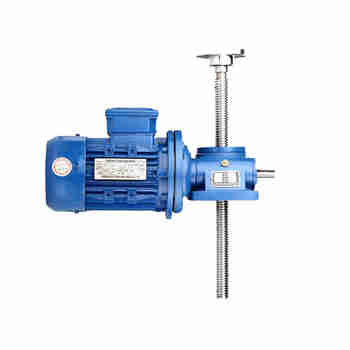
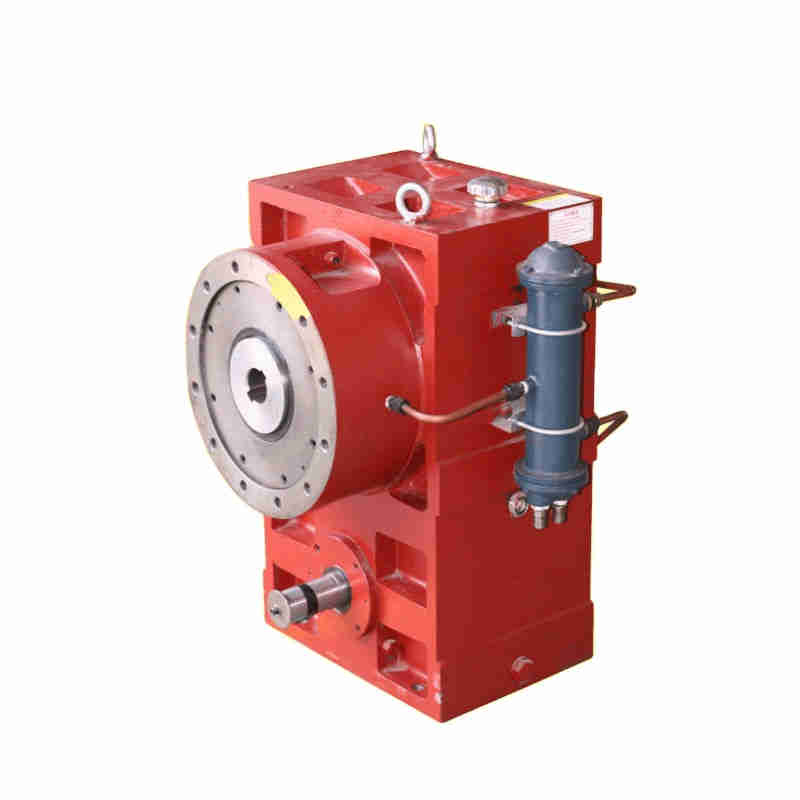
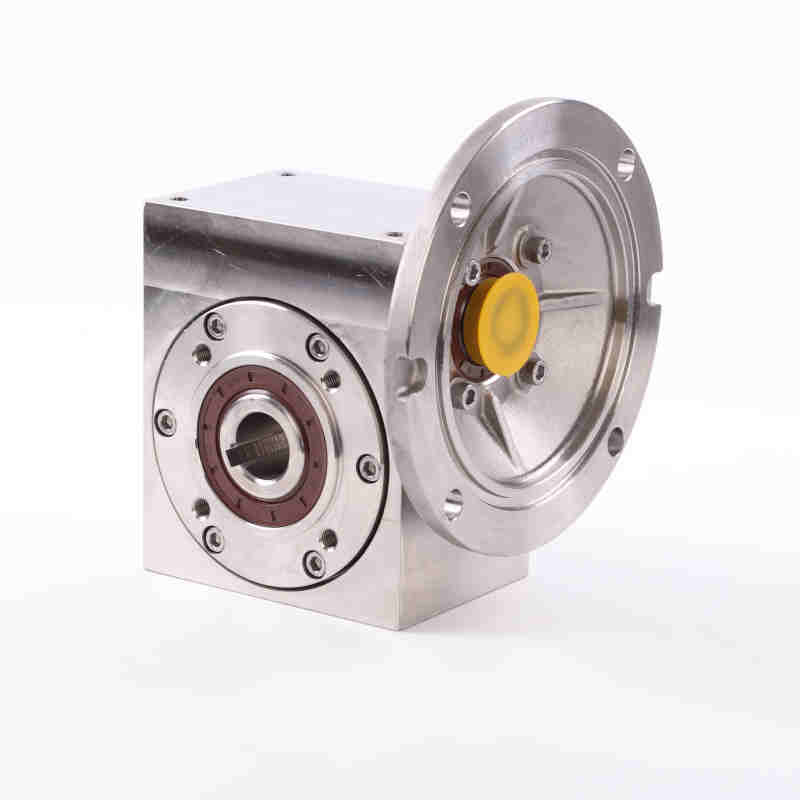
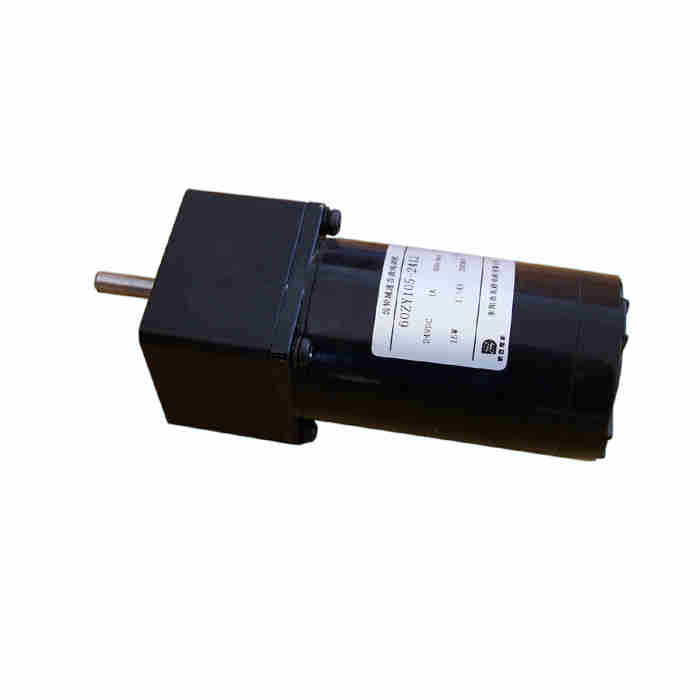
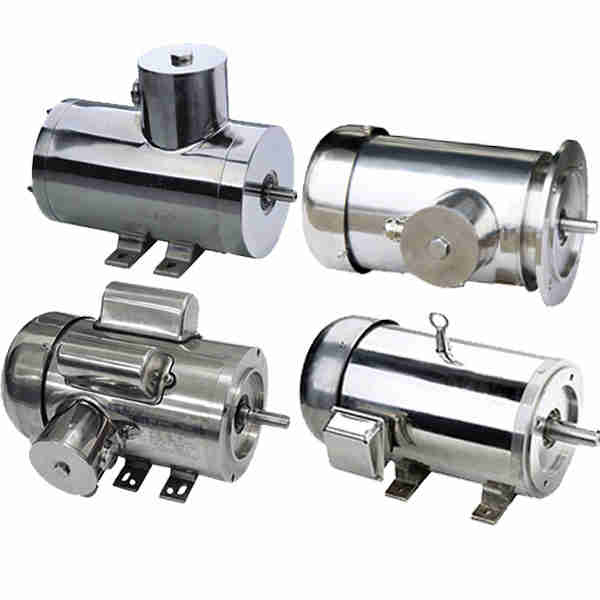
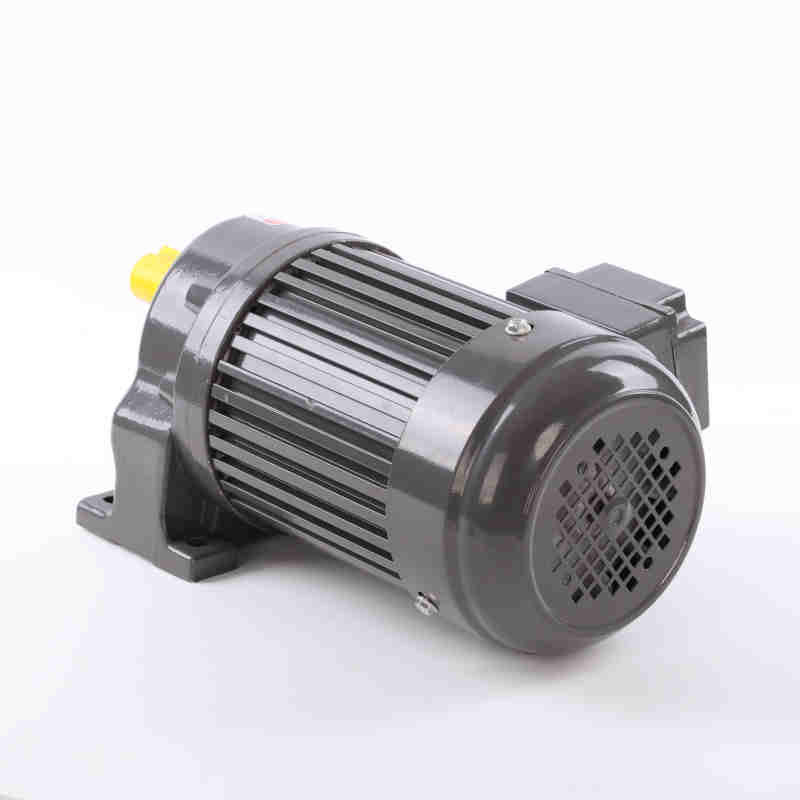
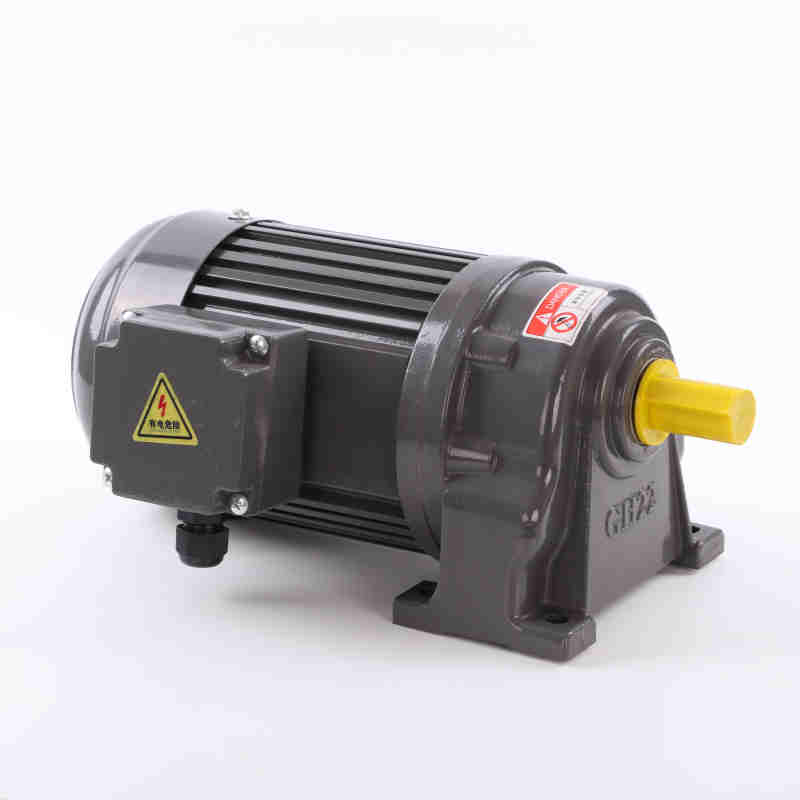
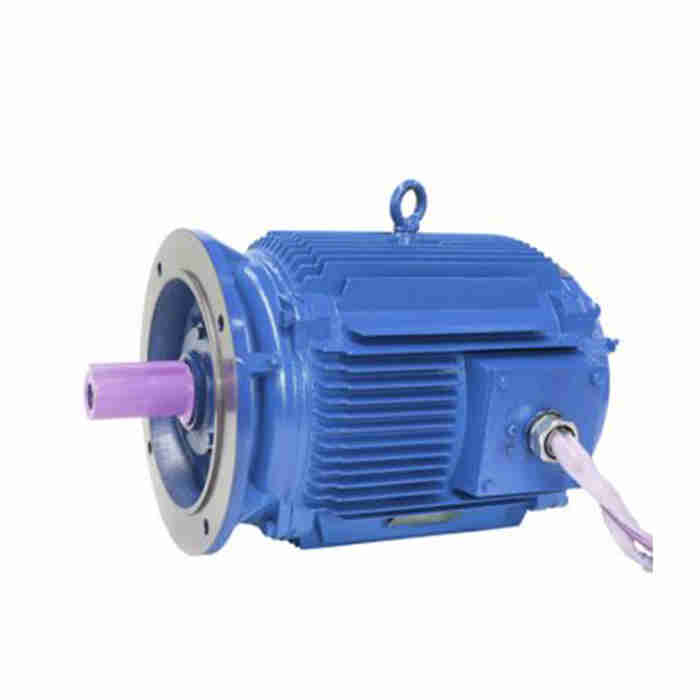
What is an AC Motor?
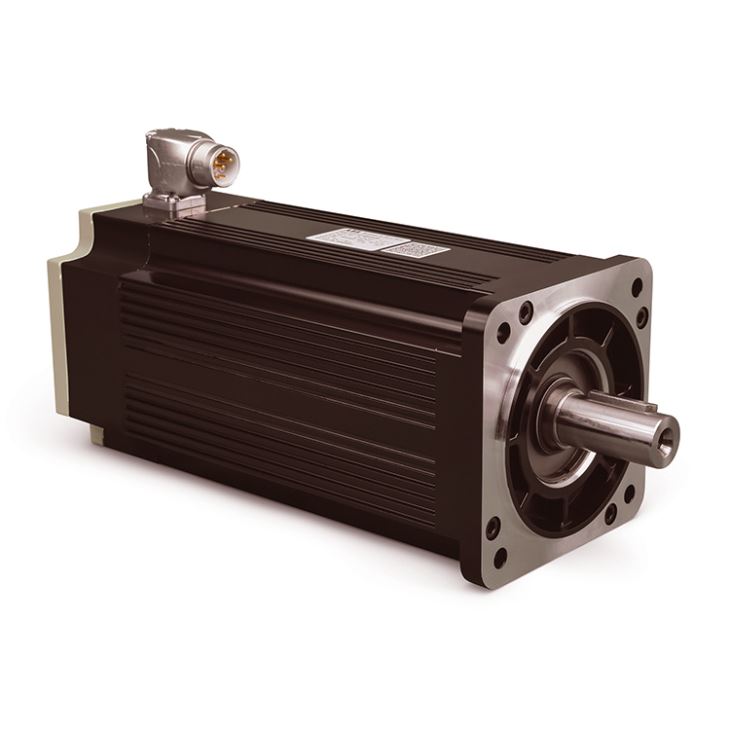
An AC Motor (Alternating Current Motor) is an electric motor driven by alternating current. It converts electrical energy into mechanical energy through electromagnetic induction, making it widely used in industrial, commercial, and residential applications for its efficiency, reliability, and versatility.
Key Features of Our AC Motors
- High efficiency with energy-saving design
- Robust construction for durability
- Low maintenance requirements
- Wide range of power options
- Smooth and quiet operation
- Compatibility with various control systems
Detailed Product Parameters
Our AC motors come in multiple models with specific parameters to meet diverse needs. Below is a table summarizing the key specifications.
| Model |
Power Rating (kW) |
Voltage (V) |
Frequency (Hz) |
Speed (RPM) |
Efficiency (%) |
Insulation Class |
Weight (kg) |
| AM-100 |
0.75 |
230/400 |
50/60 |
1400 |
85 |
F |
15 |
| AM-200 |
1.5 |
230/400 |
50/60 |
1400 |
87 |
F |
22 |
| AM-300 |
3.0 |
400 |
50/60 |
2900 |
89 |
F |
35 |
| AM-400 |
5.5 |
400 |
50/60 |
2900 |
90 |
H |
48 |
| AM-500 |
7.5 |
400 |
50/60 |
1450 |
91 |
H |
65 |
Applications of AC Motors
- Industrial machinery: Pumps, compressors, conveyors
- HVAC systems: Fans, blowers
- Household appliances: Washing machines, refrigerators
- Automotive industry: Electric vehicles, power tools
- Renewable energy: Wind turbines, solar tracking systems
AC Motor FAQ
What is the difference between an AC motor and a DC motor?
An AC motor runs on alternating current and is typically used for constant speed applications, while a DC motor runs on direct current and offers better speed control. AC motors are generally more efficient for high-power applications.
How do I choose the right AC motor for my application?
Consider factors like power rating, voltage, speed requirements, efficiency, and environmental conditions. Refer to the product parameters table above and consult with our technical team for specific needs.
What maintenance does an AC motor require?
Regular maintenance includes checking for wear and tear, lubricating bearings, ensuring proper alignment, and inspecting electrical connections. Our motors are designed for low maintenance, but periodic checks extend lifespan.
Can AC motors be used with variable frequency drives (VFDs)?
Yes, many of our AC motors are compatible with VFDs, allowing for speed control and energy savings. Ensure the motor insulation class and design are suitable for VFD operation to avoid issues like bearing currents.
What is the typical lifespan of an AC motor?
With proper maintenance, an AC motor can last 15-20 years or more, depending on usage conditions. Factors like load, environment, and maintenance frequency affect longevity.
Are your AC motors certified for safety and efficiency?
Yes, our motors meet international standards such as IEC, NEMA, and ISO, with certifications for efficiency classes like IE3 and IE4, ensuring compliance and performance.
How does temperature affect AC motor performance?
High temperatures can reduce efficiency and insulation life. Our motors are built with high-class insulation (e.g., Class F or H) to withstand elevated temperatures, but it's important to ensure adequate cooling and ventilation.
What should I do if my AC motor overheats?
Check for overloads, poor ventilation, or faulty bearings. Reduce load, improve airflow, or inspect for mechanical issues. If problems persist, contact our support team for assistance.
Can I use an AC motor in hazardous environments?
We offer explosion-proof and waterproof models designed for hazardous areas. Please specify your requirements, and we can provide motors with appropriate certifications like ATEX.
Do you provide custom AC motor solutions?
Yes, we offer customization for parameters such as voltage, speed, mounting options, and special coatings. Contact our engineering team with your specifications for tailored solutions.