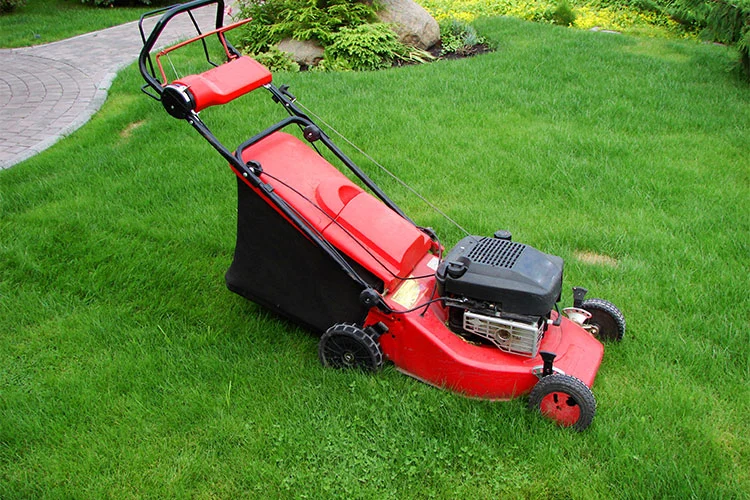
Agricultural parts are components and machinery elements specifically designed for use in farming equipment. These parts ensure the efficient operation of tractors, combines, plows, and other agricultural machinery, contributing to productivity and sustainability in modern farming.
Key Product Categories
- Engine Components: Including pistons, cylinders, and fuel injectors.
- Transmission Parts: Such as gears, clutches, and drive shafts.
- Hydraulic Systems: Featuring pumps, valves, and hoses.
- Harvesting Accessories: Like blades, cutters, and conveyors.
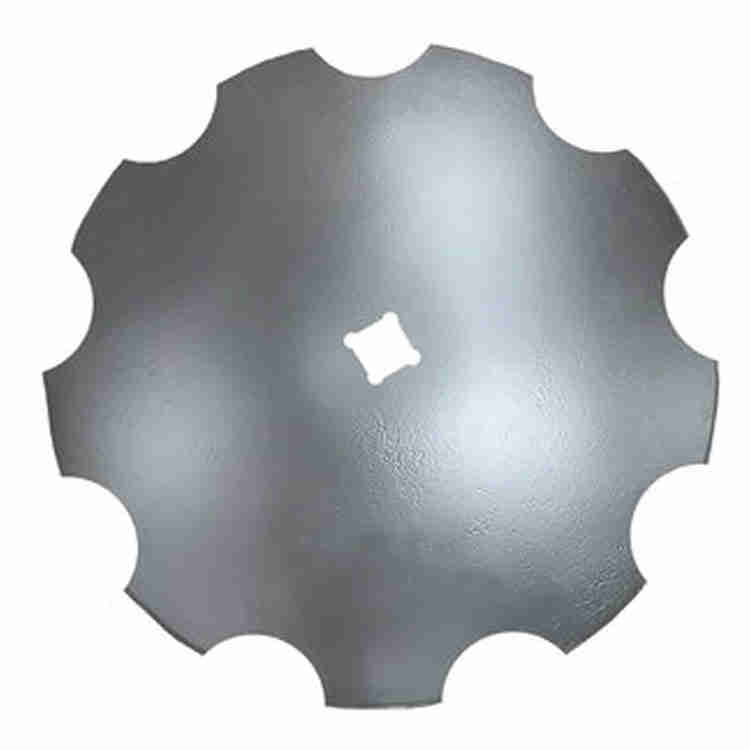
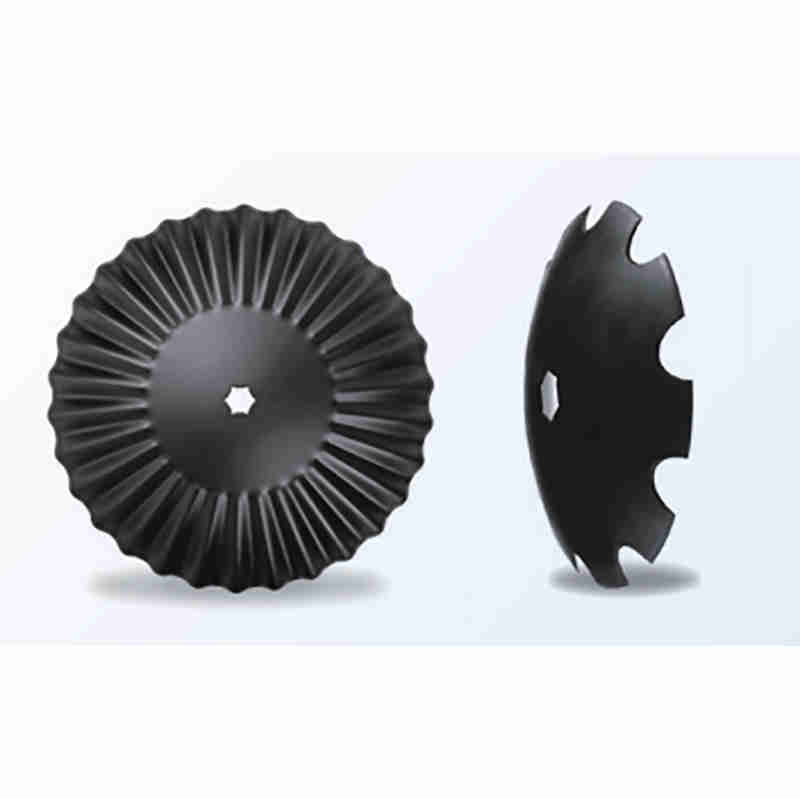
- Tillage Tools: Including plowshares, discs, and cultivator tines.
Detailed Product Parameters
| Part Type |
Material |
Size (mm) |
Weight (kg) |
Compatibility |
Durability (hours) |
| Tractor Piston |
Aluminum Alloy |
Ø100 x 120 |
2.5 |
John Deere, Case IH |
10,000 |
| Combine Harvester Blade |
High-Carbon Steel |
300 x 50 x 5 |
1.8 |
Claas, New Holland |
5,000 |
| Hydraulic Pump |
Cast Iron |
200 x 150 x 100 |
15.0 |
Universal Fit |
20,000 |
| Cultivator Tine |
Hardened Steel |
500 x 30 x 10 |
3.2 |
Kuhn, Amazone |
8,000 |
Benefits of Using Quality Agricultural Parts
- Enhanced Efficiency: Precision-engineered parts reduce downtime and improve machine performance.
- Cost-Effectiveness: Durable components lower long-term maintenance and replacement costs.
- Environmental Sustainability: Optimized parts contribute to reduced fuel consumption and emissions.
- Safety: Reliable parts ensure safer operation of agricultural machinery.
FAQs About Agricultural Parts
What are the most common types of agricultural parts?
The most common types include engine components, transmission parts, hydraulic systems, harvesting accessories, and tillage tools, each designed for specific functions in farming equipment.
How do I choose the right agricultural part for my machinery?
Consider factors such as compatibility with your machine model, material durability, size specifications, and the manufacturer's recommendations. Always refer to your equipment's manual or consult with a professional.
What materials are best for agricultural parts in terms of longevity?
High-quality materials like hardened steel, aluminum alloys, and cast iron are preferred for their strength, resistance to wear, and ability to withstand harsh farming conditions.
How often should agricultural parts be replaced?
Replacement intervals depend on usage intensity, environmental conditions, and part type. For example, blades may need replacement every 5,000 hours, while engine parts can last up to 10,000 hours with proper maintenance.
Can I install agricultural parts myself, or do I need a professional?
Simple parts like blades or filters can often be installed by users with basic tools and knowledge, but complex components such as hydraulic systems or engine parts should be handled by certified technicians to ensure safety and functionality.
Are there eco-friendly options for agricultural parts?
Yes, many manufacturers now offer parts made from recycled materials or designed for energy efficiency, reducing the environmental impact of farming operations.
What certifications should I look for when purchasing agricultural parts?
Look for certifications like ISO 9001 for quality management, OEM standards for compatibility, and environmental certifications such as RoHS to ensure the parts meet industry and regulatory requirements.
How can I maintain agricultural parts to extend their lifespan?
Regular cleaning, lubrication, and inspection for wear and tear are essential. Follow the manufacturer's maintenance schedule and store parts properly when not in use to prevent rust and damage.