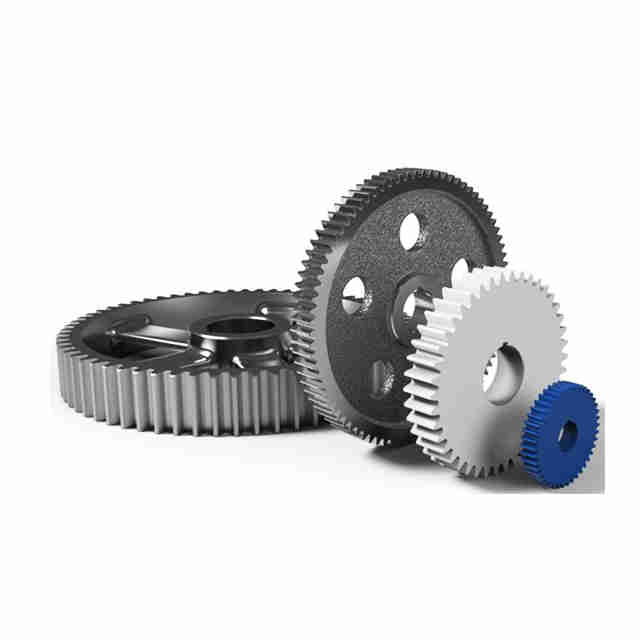
Understanding Gear & Racks: The Backbone of Industrial and Automotive Systems
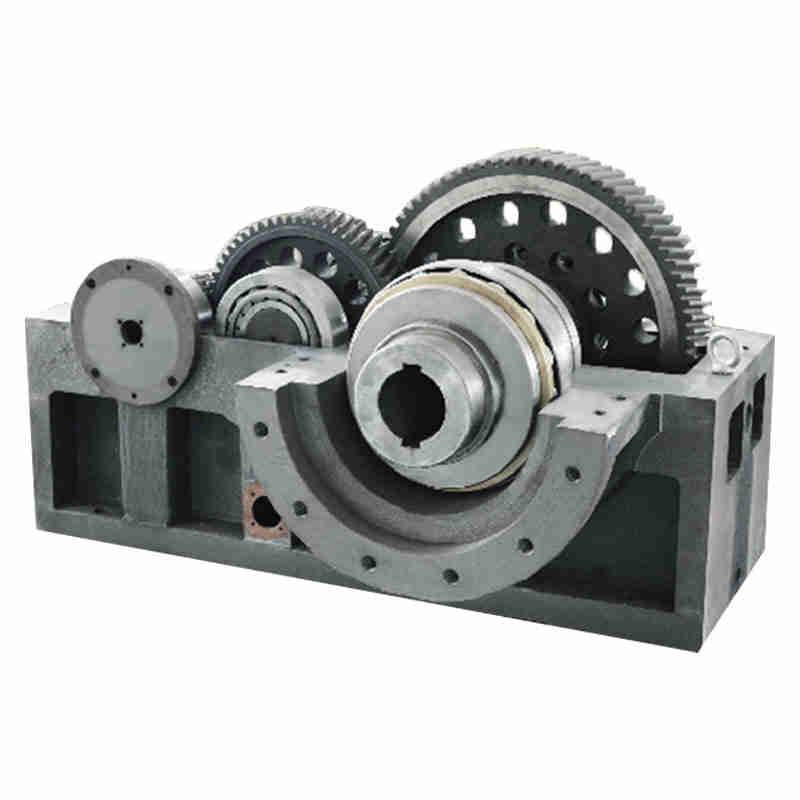
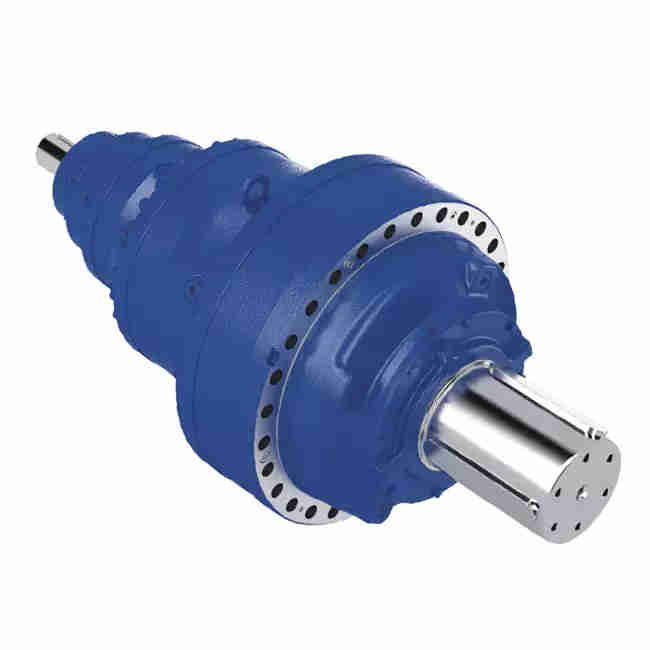
Gear & racks are fundamental components in mechanical systems, translating rotational motion into linear motion and vice versa. These elements are critical in a wide range of applications, from automotive steering systems to industrial machinery, robotics, and even consumer products. Their efficiency, durability, and precision directly impact the performance and reliability of the entire system. Understanding the technical specifications, material properties, and application guidelines is essential for engineers, designers, and procurement specialists to make informed decisions. This comprehensive guide delves into the details of gear & racks, providing in-depth product parameters, performance data, and answers to common questions.
What Are Gears and Racks?
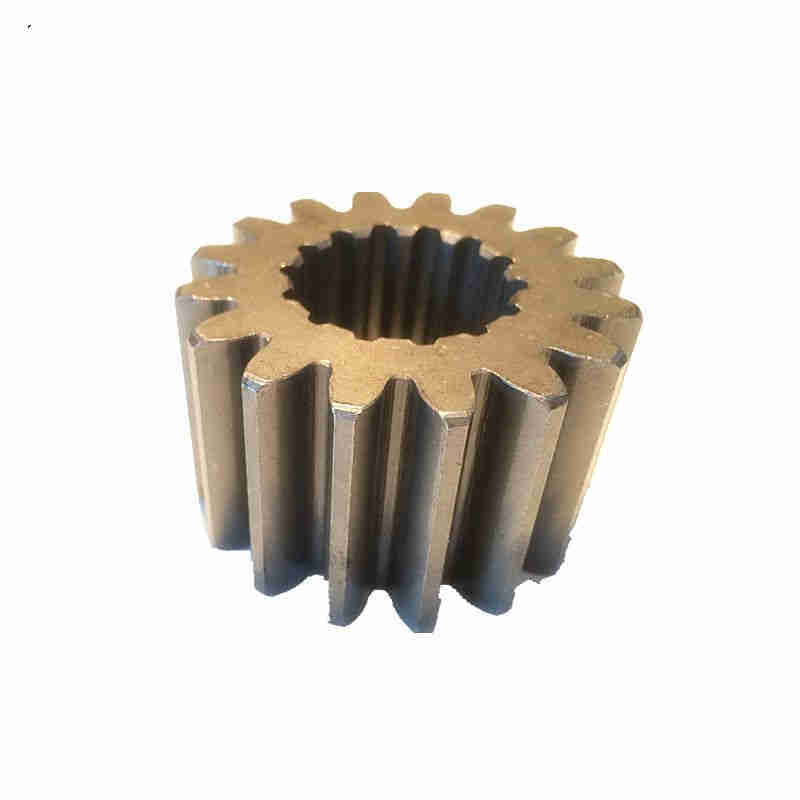
A gear is a rotating machine part with cut teeth, or cogs, which mesh with another toothed part to transmit torque. A rack is a linear gear that meshes with a pinion (a small gear) to convert rotational motion into linear motion. Together, they form a rack and pinion system, widely used for its simplicity and efficiency. The design and manufacturing of these components require high precision to ensure smooth operation, minimal backlash, and long service life. Materials, heat treatment, and machining tolerances play crucial roles in their performance.
Key Product Parameters for Gears
Gears come in various types, such as spur, helical, bevel, and worm gears, each with unique characteristics. Below are the essential parameters to consider:
- Module (M): Indicates the size of the teeth. Common modules range from 0.5 to 10 mm, with larger modules for heavier loads.
- Number of Teeth (Z): Affects the gear ratio and speed transmission.
- Pressure Angle (α): Typically 20° or 14.5°, influencing tooth strength and smoothness of engagement.
- Material: Common materials include carbon steel, alloy steel, stainless steel, brass, and plastics like nylon. Heat treatment processes like carburizing or induction hardening enhance durability.
- Surface Hardness: Measured in HRC (Rockwell C scale), often between 45-60 HRC for steel gears to resist wear.
- Accuracy Grade: Defined by standards like ISO 1328, with grades from 3 to 12 (lower numbers indicate higher precision).
Key Product Parameters for Racks
Racks are characterized by their linear tooth profile and length. Important parameters include:
- Module (M): Must match the mating pinion gear for proper meshing.
- Length: Custom lengths available, typically from 100 mm to 3000 mm, with options for splicing longer sections.
- Material: Similar to gears, with steel, stainless steel, and plastic being common. Stainless steel offers corrosion resistance for harsh environments.
- Tooth Profile: Straight or helical teeth; helical teeth provide smoother and quieter operation.
- Mounting Options: Pre-drilled holes or T-slots for easy installation.
- Surface Treatment: Options like black oxide coating or zinc plating for corrosion protection.
Comparative Table: Gear Types and Applications
| Gear Type |
Module Range (mm) |
Common Materials |
Typical Applications |
Advantages |
| Spur Gear |
0.5 - 10 |
Steel, Brass, Nylon |
Printers, Conveyors, Clocks |
Simple design, cost-effective |
| Helical Gear |
1 - 12 |
Alloy Steel, Stainless Steel |
Automotive Transmissions, Industrial Machinery |
Smooth operation, high load capacity |
| Bevel Gear |
1 - 8 |
Carbon Steel, Hardened Steel |
Differential Drives, Power Tools |
Efficient at right angles |
| Worm Gear |
1 - 6 |
Bronze, Steel |
Elevators, Hoists, Packaging Machines |
High reduction ratio, self-locking |
Performance Data Table: Material Properties
| Material |
Tensile Strength (MPa) |
Hardness (HRC) |
Corrosion Resistance |
Best For |
| Carbon Steel |
500-800 |
20-35 (can be hardened to 50-60) |
Low |
General industrial use |
| Stainless Steel |
600-900 |
30-40 (hardened variants available) |
High |
Food processing, marine environments |
| Brass |
300-500 |
HB 60-100 (softer) |
Moderate |
Low-load applications, corrosion-prone areas |
| Nylon |
70-100 |
HRR 100-120 (Rockwell R scale) |
High (to chemicals) |
Quiet operation, lightweight systems |
FAQ: Common Questions About Gear & Racks
What is the difference between a gear and a rack?
A gear is a circular component with teeth that rotates, while a rack is a linear bar with teeth that moves in a straight line when engaged with a pinion gear.
How do I select the right module for my application?
The module depends on the load, speed, and space constraints. Higher modules (e.g., M5-M10) are for heavy loads, while smaller modules (e.g., M0.5-M2) are for precision applications like robotics. Consult engineering standards or use calculation tools based on torque and force requirements.
What causes backlash in gear & rack systems, and how can it be minimized?
Backlash is the slight movement between meshed teeth when direction changes. It is caused by manufacturing tolerances, wear, or improper alignment. Minimize it by using high-precision gears, pre-loaded systems, or anti-backlash designs, and ensure proper lubrication and maintenance.
Can gears and racks be used in high-temperature environments?
Yes, but material selection is critical. Alloy steels with high-temperature heat treatments or materials like stainless steel can withstand temperatures up to 400°C. For extreme conditions, specialized coatings or materials may be required.
How often should gear & rack systems be lubricated?
Lubrication frequency depends on operating conditions, load, and speed. For continuous operation, lubricate every 500-1000 hours with appropriate grease or oil. In dusty or wet environments, more frequent lubrication may be necessary to prevent wear and corrosion.
What are the signs of wear in gear & racks?
Common signs include increased noise, vibration, visible tooth damage (pitting, scoring), backlash increase, and reduced efficiency. Regular inspection and monitoring can help detect early wear, allowing timely replacement or maintenance.
Are custom gear & rack designs available?
Yes, manufacturers often provide custom solutions based on specifications like module, length, material, and mounting options. Provide detailed requirements, including load capacity, environmental conditions, and dimensional constraints for tailored products.
How do I install and align a rack and pinion system properly?
Ensure the rack is mounted on a flat, rigid surface with precise alignment to the pinion axis. Use alignment tools like dial indicators to check parallelism and distance. Tighten mounting bolts evenly and verify smooth operation without binding or excessive play.
What standards govern gear & rack manufacturing?
Key standards include ISO 1328 for accuracy, AGMA (American Gear Manufacturers Association) standards for design, and DIN standards for dimensions. Compliance ensures interoperability, quality, and reliability.
Can plastic gears mesh with metal racks?
Yes, but with considerations. Plastic gears (e.g., nylon) can work with metal racks for light to moderate loads, offering noise reduction. However, differences in thermal expansion and wear characteristics require careful design to avoid premature failure.