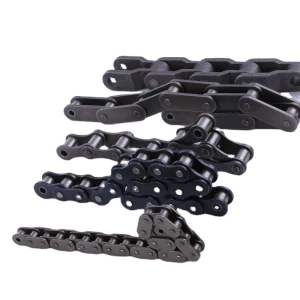
Chains are versatile, high-strength mechanical components used for lifting, securing, and conveying applications across industries such as construction, manufacturing, and logistics. They are engineered to handle heavy loads, resist wear, and perform reliably under demanding conditions. Our product line includes a variety of chains designed to meet specific requirements, from standard-grade options to specialized configurations for extreme environments. In this guide, we provide a detailed overview of our chains, including key parameters, features, and answers to common questions, to help you make an informed decision for your projects.
Key Features of Our Chains
Our chains are manufactured using premium materials and advanced production techniques to ensure durability, safety, and efficiency. Here are some standout features:
- High tensile strength for heavy-duty applications
- Corrosion-resistant coatings for extended lifespan
- Precision engineering with consistent link dimensions
- Compliance with international safety standards (e.g., ISO, ANSI)
- Customizable lengths and attachments to suit specific needs
- Low maintenance requirements due to robust design
Detailed Product Parameters
Below is a comprehensive table outlining the specifications for our range of chains. This data is based on standard models, with variations available for custom orders.
| Model |
Material |
Diameter (inches) |
Working Load Limit (lbs) |
Length Options (feet) |
Temperature Range (°F) |
Certifications |
| Chain-Pro 100 |
Alloy Steel |
0.25 |
1,200 |
10, 20, 50 |
-40 to 400 |
ISO 9001, ANSI B30.9 |
| Chain-Pro 200 |
Stainless Steel |
0.375 |
3,500 |
25, 50, 100 |
-60 to 800 |
ISO 9001, OSHA compliant |
| Chain-Pro 300 |
Carbon Steel |
0.5 |
6,000 |
50, 100, 200 |
-20 to 600 |
ANSI B30.9, ASME B30.10 |
| Chain-Pro 400 |
Galvanized Steel |
0.75 |
10,000 |
100, 200, custom |
-30 to 500 |
ISO 9001, CE marked |
Applications of Chains
Chains are used in a wide array of applications due to their strength and adaptability. Common uses include:
- Lifting and hoisting equipment in construction and warehousing
- Securing loads during transportation and logistics
- Conveyor systems in manufacturing and processing plants
- Marine and offshore operations for anchoring and mooring
- Agricultural machinery for towing and implement control
- Safety barriers and crowd control in public events
Frequently Asked Questions (FAQ)
Here are some common questions and detailed answers to help you understand our chains better.
What factors should I consider when selecting a chain?
Consider the working load limit, environment (e.g., exposure to chemicals or extreme temperatures), material compatibility, required length, and certifications. Always refer to the product specifications and consult safety guidelines to ensure the chain meets your application's demands.
How do I maintain my chains to ensure longevity?
Regularly inspect chains for signs of wear, corrosion, or damage. Clean them with appropriate solvents if exposed to contaminants, and lubricate moving parts as recommended. Store chains in a dry, cool place to prevent rust, and avoid overloading beyond the working load limit.
Are your chains resistant to corrosion?
Yes, many of our chains feature corrosion-resistant treatments such as galvanization, stainless steel construction, or specialized coatings. The level of resistance varies by model; refer to the product table for specifics on materials and coatings suited for harsh environments.
Can I get custom-length chains?
Absolutely. We offer customizable lengths and can attach fittings like hooks or connectors based on your requirements. Contact our sales team with your specifications for a tailored solution.
What safety standards do your chains comply with?
Our chains adhere to international standards such as ISO 9001 for quality management, ANSI B30.9 for safety in chain applications, and OSHA regulations. Each product comes with documentation certifying compliance, ensuring safe usage in regulated industries.
How do I determine the working load limit for my application?
The working load limit (WLL) is provided in the product specifications and should never be exceeded. Factor in dynamic loads, environmental conditions, and the angle of use (e.g., sling angles can reduce effective WLL). For complex scenarios, consult an engineer or our technical support for guidance.
What is the difference between alloy steel and stainless steel chains?
Alloy steel chains offer high strength and are often more economical, ideal for general-purpose use. Stainless steel chains provide superior corrosion resistance, making them suitable for marine, chemical, or food-processing applications where hygiene and durability are critical.
Do you offer warranties on your chains?
Yes, we provide warranties that cover defects in materials and workmanship. The warranty period varies by product; check the specific terms for each model. Proper use and maintenance as per instructions are required to keep the warranty valid.
How can I verify the authenticity and quality of your chains?
Look for markings on the chains that indicate grade, manufacturer, and WLL. Purchase from authorized distributors or directly from us to avoid counterfeits. We also provide certificates of conformity and test reports upon request to verify quality.
What should I do if a chain shows signs of damage?
Immediately remove the chain from service if you observe cracks, stretching, or significant wear. Do not attempt repairs, as this can compromise integrity. Replace with a new chain that meets the required specifications and dispose of the damaged one properly.