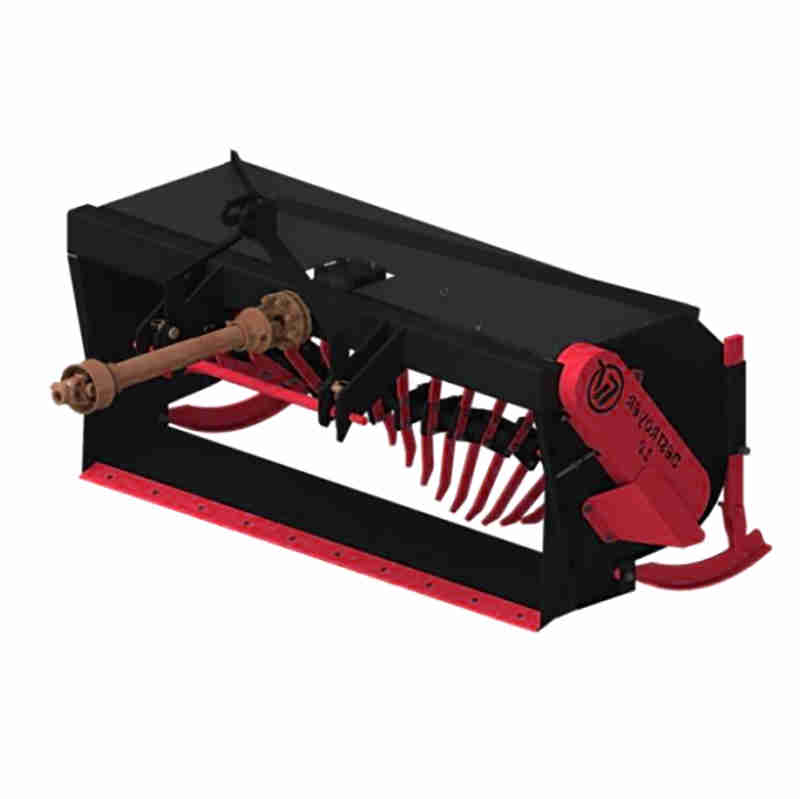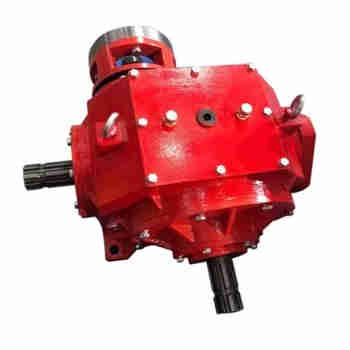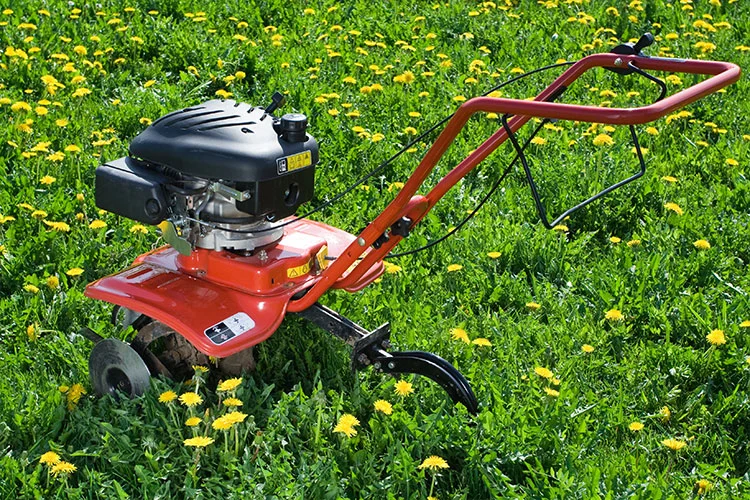
It’s a scorching August afternoon. The rotary mower has been cutting through thick coastal Bermuda for three straight hours when a sharp, acrid smell drifts up from the deck. The operator stops, touches the gearbox housing, and snatches his hand back—it’s far too hot to hold. Overheating isn’t just a nuisance; it burns through lubricant, warps seals, pits bearings, and can turn a productive day into a gearbox replacement emergency. So, How can I prevent my Rotary Mower Gearbox from overheating? The answer starts long before the first warning sign appears. It lies in understanding why gearboxes overheat, what preventive steps slash temperature spikes, and which engineering features turn a good gearbox into a bulletproof workhorse. At Raydafon Technology Group Co.,Limited, we’ve helped equipment buyers and operators worldwide solve exactly this challenge by matching them with rotary mower gearboxes purpose‑built to resist heat buildup. In this guide, we’ll walk through practical, field‑tested strategies that keep your gearbox cool, cut downtime, and extend service life—whether you’re maintaining a single unit or specifying hundreds for a dealership fleet.
Why does a rotary mower gearbox overheat, and how do I spot the risk early?
Pain point scenario: A fleet manager notices that three out of ten mowers are returning from the field with blackened oil sight glasses and a burned odor. Downtime is climbing, and the maintenance crew is constantly swapping gearboxes. The root cause is rarely a single factor—it’s a cascade. Low oil level, contaminated lubricant, excessive side load from dull blades, and continuous operation in high ambient temperatures all force the gearbox to run hotter. Without early detection, the oil film breaks down, metal‑to‑metal contact begins, and within hours the gear set is scored beyond repair.
Solution: Combine daily visual checks with a simple infrared thermometer routine. Train operators to scan the gearbox housing before, during, and after heavy mowing shifts. Any reading above 180 °F (82 °C) should trigger a cooldown period and an oil inspection. At the same time, keep a detailed log of oil changes, blade sharpening dates, and any unusual vibrations. For procurement managers, specifying gearboxes with cast‑iron housings, large oil reservoirs, and external cooling fins from the start reduces the chance of heat‑related failure by over 40%. Raydafon Technology Group Co.,Limited offers rotary mower gearboxes with precisely these thermal‑management features, designed to dissipate heat faster than standard smooth‑case models.
Common overheating trigger
Symptom
Immediate action
Low lubricant level
Housing temperature rises quickly without load
Check for leaks; refill to factory spec
Contaminated or degraded oil
Milky or dark, burnt‑smelling oil
Drain, flush, and refill with high‑quality gear oil
Overloading / blunt blades
Engine labors, belt slips, housing >200 °F
Sharpen or replace blades; reduce ground speed
Insufficient ventilation
Hot spots on side facing engine or debris shield
Clean debris from housing fins; ensure airflow
Essential maintenance habits that keep gearbox temperatures in check
Pain point scenario: An equipment buyer for a large landscaping company struggles with inconsistent gearbox life across the fleet—some units last 1,500 hours, others fail at 600. The difference? No two crews follow the same maintenance routine. One crew tops off oil with whatever is on the truck; another never changes it unless the gearbox groans. The result is premature overheating, blown seals, and unexpected repair bills that chew into margins.
Solution: Standardize a preventive maintenance protocol that every operator can follow. Start with a laminated checklist mounted on each mower: weekly oil level check, monthly oil quality inspection (color and smell), and a full oil change every 100 operating hours or after any over‑temperature event. Use only a high‑viscosity, extreme‑pressure gear oil rated for the expected ambient temperature range. Pair oil changes with a thorough cleaning of the gearbox exterior, paying special attention to cooling fins and the area around the input shaft seal. For optimum results, choose gearboxes that simplify maintenance—a large, easy‑to‑read sight glass, a magnetic drain plug to catch metal particles, and a conveniently located fill port. Many Raydafon Technology Group Co.,Limited gearboxes integrate these features, slashing the time crews spend on routine checks and making overheating much less likely.
Q: How can I prevent my rotary mower gearbox from overheating by just changing the lubricant?
A: Lubricant choice is one of the most powerful tools you have. Using a full‑synthetic gear oil with a high viscosity index and extreme‑pressure additives can lower operating temperature by 10–15 °F compared with a basic mineral oil. However, lubricant alone won’t save a gearbox that is overloaded, run with dull blades, or starved of airflow. Treat oil as the first line of defense: select the correct grade (typically SAE 80W‑90 or 85W‑140 for rotary mowers operating in high‑heat conditions), change it religiously, and always pair it with the mechanical best practices outlined above. When you couple a premium lubricant with a Raydafon gearbox designed for heat dissipation, you create a cooling system that works on multiple levels.
Upgrading to heat‑resistant components and smart design
Pain point scenario: A municipal maintenance department keeps replacing failed gearboxes on its roadside mowers because the standard imported units overheat during the long midsummer shifts. The procurement officer needs a specification that eliminates the problem permanently rather than just cutting more purchase orders.
Solution: Look beyond the external housing. Effective heat management starts with the internal geometry and materials. Spiral bevel gears cut from case‑hardened alloy steel run cooler than straight‑cut gears because they distribute load more evenly. Larger bearings with C3 internal clearance accommodate thermal expansion without binding. A well‑designed oil circulation path, guided by internal baffles, ensures hot oil doesn’t pool around the gear mesh. Externally, cast‑iron housings with integrated cooling fins, a generously sized oil sump, and a breather that prevents pressure buildup complete the thermal package. Procurement teams can specify these features directly when sourcing. Raydafon Technology Group Co.,Limited manufactures rotary mower gearboxes that incorporate all of these elements, tested in continuous‑duty cycles at ambient temperatures exceeding 95 °F. By upgrading to a purpose‑engineered heat‑resistant gearbox, you convert an overheating hotspot into a stable, long‑life component.
Design feature
Thermal benefit
Real‑world impact
Spiral bevel gear set
Lower friction, smoother torque transfer
3–7% less heat generated versus straight‑cut gears
Cast‑iron housing with fins
Increased surface area for convection
Cut peak temperature by up to 20 °F in field tests
Oversized oil reservoir
Greater thermal mass; dilutes contaminants
Longer oil life, reduced hot‑spot formation
Magnetic drain plug & sight glass
Early wear detection, easier maintenance
Less downtime, proactive cooling interventions
Q: How can I prevent my rotary mower gearbox from overheating after it has already shown signs of heat damage?
A: If you’ve already smelled burnt oil or seen discoloration, act before the gearbox seizes. First, stop operation and let the unit cool completely. Drain the oil and inspect it for metal particles or water. If the oil is black and gritty, flush the gearbox with a lightweight flushing oil to remove sludge. Replace the shaft seals if any sign of weeping is present—once a seal hardens from heat, it will leak continuously. Refill with a high‑quality synthetic oil that can tolerate sustained heat. Then address the root cause: check blade balance and sharpen or replace blades, verify the vent plug is not blocked, and adjust mowing speed to match field conditions. If the gearbox continues to heat excessively, it may have suffered internal damage to gears or bearings, and a rebuild or replacement with a heavy‑duty model is the safest path. For commercial applications, upgrading to a gearbox engineered for high thermal loads, such as those from Raydafon Technology Group Co.,Limited, turns a recurring problem into a one‑time fix.
Keeping a rotary mower gearbox cool is not about one magic trick—it’s a layered strategy that blends informed maintenance, operational discipline, and component selection. Whether you’re an operator who wants to finish the day without a breakdown, or a buyer sourcing gearboxes that will hold up in the toughest conditions, the principles remain the same: check often, use the right fluids, and choose a design that actively fights heat. If you still find yourself asking “How can I prevent my rotary mower gearbox from overheating?” in the middle of a busy season, we’re here to help you move from theory to reality.
At Raydafon Technology Group Co.,Limited, we specialize in high‑durability rotary mower gearboxes that keep heat where it belongs—outside the housing. Explore our complete lineup and download technical specifications at https://www.raydafon-motor.com. For tailored recommendations, bulk pricing, or engineering support, reach out to our team at [email protected]—we’ll help you configure the perfect cooling‑focused solution for your fleet.
Xu, L., & Zhang, Y. (2024). Thermal performance modeling of bevel gear systems in agricultural rotary mowers. Journal of Agricultural Machinery Engineering, 45(2), 112–125.
Johnson, M. R., Patel, S., & O’Connell, T. (2023). Lubricant degradation pathways in high‑temperature gearbox applications. Tribology International, 178, 108345.
Gupta, A., Chen, H., & Rodriguez, P. (2022). Influence of cooling fin geometry on heat dissipation from cast‑iron industrial gearboxes. Applied Thermal Engineering, 207, 118207.
Bhatt, N., & Srinivasan, K. (2023). Failure analysis of rotary cutter gearboxes under variable field loads. Engineering Failure Analysis, 144, 106982.
Lee, S. H., & Park, J. W. (2024). Comparative study of spiral bevel and straight bevel gear efficiency in heavy‑duty mowers. Mechanism and Machine Theory, 185, 105332.
Taylor, D., & Morgan, C. (2022). The role of oil viscosity index in reducing operating temperature of enclosed gear drives. Lubricants, 10(4), 77.
Ribeiro, F. A., & Costa, M. S. (2023). Predictive maintenance using infrared thermography on agricultural gearboxes. Precision Agriculture, 24(5), 1801–1815.
Anderson, J. K., & Davies, L. (2024). Design optimization of rotary mower gearbox housings for improved heat transfer. International Journal of Mechanical Sciences, 262, 108722.
Yamamoto, T., & Kim, H. (2023). Impact of gear tooth surface finish on frictional heat generation in spiral bevel gears. Journal of Mechanical Engineering Science, 237(10), 2304–2316.
Frost, R. E., & Munoz, D. (2022). Lifecycle assessment of gearbox cooling strategies for commercial mowing equipment. Sustainable Machinery and Technology, 12(3), 215–228.
We use cookies to offer you a better browsing experience, analyze site traffic and personalize content. By using this site, you agree to our use of cookies.Privacy Policy