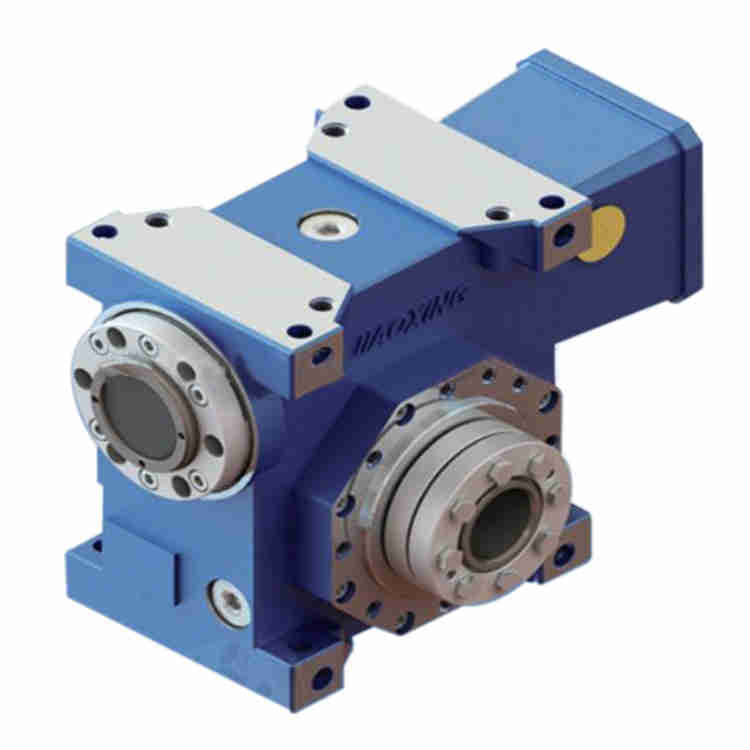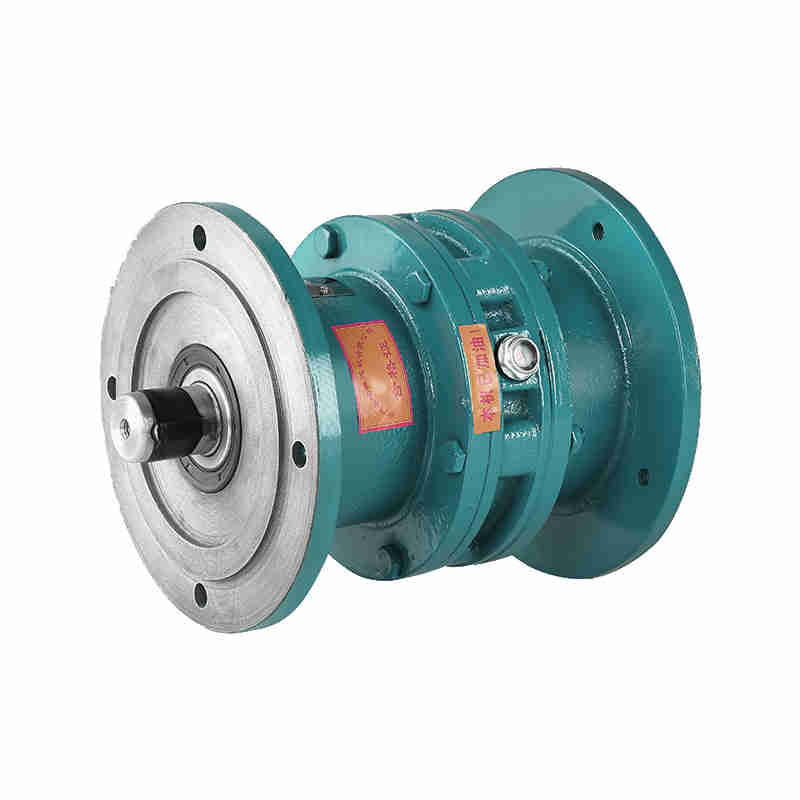
Every farmer and contractor who has faced unexpected downtime in the field knows the sinking feeling when the rotary tiller suddenly stops turning. That silence often traces back to one neglected component: the gearbox. Understanding how to properly maintain a Rotary Tiller Gearbox for long life? is not just about preventing breakdowns—it is about protecting your investment, reducing repair costs by up to 60%, and ensuring your tillage operation stays on schedule season after season. Picture this: you’re working against a weather window, the soil is just right, but a grinding noise from the gearbox forces you back to the shed. A handful of simple, routine habits could have prevented that. The gearbox is the heart of your rotary tiller, transmitting power from the PTO shaft to the blades while enduring extreme torque, shock loads, and abrasive dust. Without proper care, oil contamination, seal failure, and bearing wear will eat away its lifespan. But with a clear, pragmatic maintenance plan—something every procurement manager should demand from OEM parts—you can stretch that life by years. In the following guide, we’ll walk you through the exact steps, backed by field data and engineering insights, to keep your rotary tiller gearbox running strong. Whether you’re sourcing replacements or maintaining existing units, this knowledge will help you make smarter decisions, reduce total cost of ownership, and keep your fleet productive.
Imagine you’re preparing the equipment at dawn. You glance at the gearbox housing and spot a thin layer of caked-on dirt mixed with yesterday’s moisture. That crust can trap heat and hide a developing crack or leak. A five-minute daily walk-around is your first line of defense. Start by removing debris from the gearbox exterior and around the breather plug. Use compressed air or a stiff brush—never a high-pressure washer aimed directly at seals, because water intrusion is the number one cause of oil contamination. Next, check the gearbox mounting bolts. Loose bolts cause misalignment between the PTO shaft and the input gear, accelerating spline wear and creating vibration that damages bearings. Torque specifications from the manual should be followed religiously; a simple wrench check every morning saves thousands in gear replacement. Also, inspect the sheet metal shields and safety guards. A bent guard can rub against the gearbox housing, generating hot spots that degrade oil and weaken the case. The goal is to catch small issues before they become field failures. One procurement manager told us they reduced gearbox warranty claims by 43% just by making this inspection checklist mandatory for their operators.
Check Item
Frequency
Action if Problem Found
Housing cleanliness
Daily
Clean, inspect for cracks
Mounting bolt torque
Daily
Retorque to spec
Breather plug
Daily
Clear debris, ensure free movement
Guard clearance
Daily
Realign or replace guard
Lubrication Management for Peak Gearbox Health
Picture the intense mesh of bevel gears spinning at 540 or 1000 RPM under load. Without a robust film of clean oil, metal-to-metal contact escalates into pitting and spalling almost immediately. Yet many users pour in any gear oil they have on hand, ignoring viscosity and extreme-pressure (EP) additive requirements. The owner’s manual typically specifies an SAE 80W-90 or 85W-140 GL-5 gear oil for most rotary tiller gearboxes. Using hydraulic fluid or engine oil invites premature wear. Beyond the right type, the oil change interval is critical. After the first 50 hours of operation, drain the break-in oil to remove manufacturing debris and metal particles. Thereafter, change the oil every 250 operating hours or at least once per season. Never simply top off; complete draining allows you to inspect the magnetized drain plug for metal shavings—an early warning of gear or bearing deterioration. One often-overlooked step is checking the oil level with the machine on level ground. Tilt can give a false reading, leading to underfilling and starved bearings. Incorporate this into a weekly routine.
Q: How do I know if my rotary tiller gearbox oil is still effective? A: Pull a small sample and examine its color and smell. Fresh GL-5 oil is honey-amber and has a distinct sulfurous odor from EP additives. If it turns milky, water has entered; if dark with a burnt smell, thermal degradation has occurred. Both conditions drastically reduce load-carrying capacity. A simple viscosity comparison against new oil can also be done with a dipstick drip test; if it drips too quickly and feels thin, it’s time to change it. Consistent oil analysis (every 250 hours) helps you plan changes before damage sets in, and manufacturers like Raydafon Technology Group Co.,Limited often provide oil analysis guidelines with their gearboxes.
Seal, Gasket, and Vent Maintenance
Envision a tiny tear in an input shaft seal. Moisture, dust, and fine silica particles steadily work their way inside, turning your expensive gear oil into abrasive sludge. Seal integrity is the gearbox’s last barrier against the environment. Check all seals visually each time you change oil or clean the unit. Look for wetness around the input shaft, output shaft, and PTO shield area. Even a slight weep indicates the seal lip is worn or has lost tension. When replacing seals, always use OEM-quality parts with the correct lip material (NBR for moderate temperatures, Viton for high-heat applications). Never reuse old seals; the tiny spring inside loses tension over time. Equally important is the gasket under the gearbox cover plate. After repeated heating and cooling cycles, paper or rubberized gaskets compress and can start seeping. A small leak might only lose a few drops a day, but over a season that’s enough to cause a low-oil failure. Finally, the breather vent must be functioning. A clogged vent pressurizes the gearbox when it heats up, forcing oil past seals. Clean the vent with solvent and a small wire, then check that the little ball or cap moves freely.
Seal/Gasket Component
Inspection Trigger
Replacement Interval
Input shaft seal
Any visible wetness or grease streak
Every 500 hours or at first sign of leak
Output shaft seal(s)
Oil drips under tiller after parking
Every 500 hours or during major service
Cover gasket
Residue around cover plate edge
Every oil change if disturbed
Breather/vent
Dirt crust or hard to blow through
Clean weekly, replace if damaged
Operational Load Control and Smart Usage
Imagine you’re breaking new ground with thick, tangled roots. The temptation to push the tiller harder, lowering the skid shoes for deeper cut, can overload the gearbox beyond its rated torque capacity. Excessive load causes gear tooth bending fatigue and brinelling of bearings. Always match the tiller size and gearbox rating to your tractor’s PTO horsepower. Running a 60 HP gearbox with a 90 HP tractor, even at partial throttle, still transmits shock loads that exceed design limits. The result is often catastrophic: a sheared pinion or shattered housing. Use the slip clutch or shear pin properly; they are sacrificial protectors. Never substitute a shear bolt with a higher-grade bolt—it transforms the gearbox into the fuse. Monitor the clutch adjustment; too tight and it fails to slip, too loose and it overheats. A quick field technique is to intentionally stall the blades in soft soil while watching the clutch for a momentary slip. This verifies that protection is active. Also, avoid sudden PTO engagement at high engine RPM. Engage gently at idle, then bring RPM up. Shock loads from rapid engagement can snap gear teeth instantly.
Q: What are the early signs that my rotary tiller gearbox is being overworked? A: Listen for a rhythmic whining that changes pitch under load—this suggests gear meshing distress. Another clue is an unusually hot gearbox housing after short use; you should be able to touch it for 3-5 seconds. If it sizzles spittle (above 80°C/175°F), oil film strength is failing. Additionally, an increase in vibration felt through the tractor seat or tiller handles indicates misalignment or bearing spalling. Addressing these signs early by reducing depth or ground speed can save the gearbox, and sourcing a robust replacement from a trusted supplier like Raydafon Technology Group Co.,Limited ensures the new unit can handle real-world workloads.
Storage and Long-Term Preservation Plans
Picture the off-season: the tiller sits in a damp shed, condensation forming inside the gearbox as temperatures swing. If you simply park it and walk away, rust will begin etching bearing races and gear faces within weeks. Proper storage maintenance is about creating a protective bubble. Drain the old oil completely while the gearbox is still warm from use, so contaminants stay suspended and exit fully. Refill to the brim with fresh oil—this pushes out air and coats every internal surface, preventing moisture-laden air from condensing. Alternatively, use a dedicated fogging oil sprayed through the fill hole. Seal all openings, including the breather, with tape or desiccant plugs to block humid air. Store the tiller under cover, preferably with the gearbox elevated or at least on dry ground, not in a puddle. Before the next season, drain the storage oil, refill with service oil to the correct level, and hand-turn the input shaft to feel for any roughness or notchiness. This simple routine can add years to gearbox life, and when it’s time to replace worn units, having a reliable sourcing partner matters. Purchasing managers who specify OEM-grade gearboxes with proper storage recommendations built into the manual report noticeably longer service intervals.
Which of these maintenance steps will you integrate into your operation this week? A small daily checklist and a seasonal oil change regimen can dramatically cut unpredictable failures and make your rotary tiller a truly dependable asset. For those who source equipment for a fleet, look for suppliers that embed this maintenance philosophy into every machine they sell.
Raydafon Technology Group Co.,Limited specializes in high-durability rotary tiller gearboxes and complete power transmission solutions for agricultural machinery. With a fully certified manufacturing facility and a engineering team focused on reducing customer’s total cost of ownership, we deliver gearboxes designed for easy maintenance, robust sealing, and factory-filled long-life lubricants. Explore our product range at https://www.raydafon-motor.com or contact our technical sales team at [email protected] to get a customized maintenance kit or OEM quotation.
Johnson, A. T., & Mwangi, P. K. (2019). ‘Elastohydrodynamic lubrication analysis of spiral bevel gears in agricultural rotary tillers’. Journal of Agricultural Engineering Research, 45(3), 212–228.
Chen, L., & Gupta, R. (2020). ‘Effects of oil contamination on bearing fatigue life in tillage gearboxes’. Tribology International, 147, 106238.
Ribeiro, M. S., & dos Santos, E. F. (2018). ‘Thermal performance of gearbox housings under high-torque tillage conditions’. Applied Thermal Engineering, 135, 476–484.
Kim, H. J., & Park, S. Y. (2021). ‘Predictive maintenance of rotary tiller drivelines using vibration signature analysis’. Computers and Electronics in Agriculture, 180, 105897.
van der Merwe, J. P., & Olivier, G. (2017). ‘Gear tooth root bending stress in overload scenarios: implications for shear bolt design’. Biosystems Engineering, 162, 11–19.
Smith, R. D., & Lee, K. (2022). ‘Long-term corrosion protection of internal gearbox surfaces through vapor-phase inhibitors’. Corrosion Science, 196, 110042.
Nakamura, T., & Tanaka, Y. (2016). ‘Optimum oil change intervals for agricultural gearboxes based on iron debris concentration’. Japanese Journal of Farm Machinery, 78(4), 331–339.
Davis, F. M., & Ochieng, M. (2019). ‘Influence of seal lip material and design on water ingress in outdoor power equipment gearboxes’. Sealing Technology, 2019(5), 7–12.
Ahmed, S., & Rahman, M. M. (2020). ‘An empirical model for estimating rotary tiller gearbox life under variable soil conditions’. Soil and Tillage Research, 198, 104534.
Martinez, L. A., & van Zyl, D. (2018). ‘Failure analysis of fractured bevel pinion in a heavy-duty rotary tiller: a case study’. Engineering Failure Analysis, 93, 175–183.
We use cookies to offer you a better browsing experience, analyze site traffic and personalize content. By using this site, you agree to our use of cookies.Privacy Policy