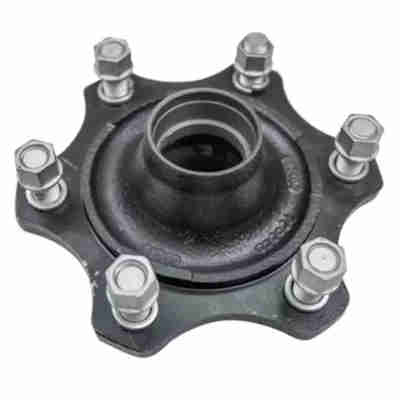
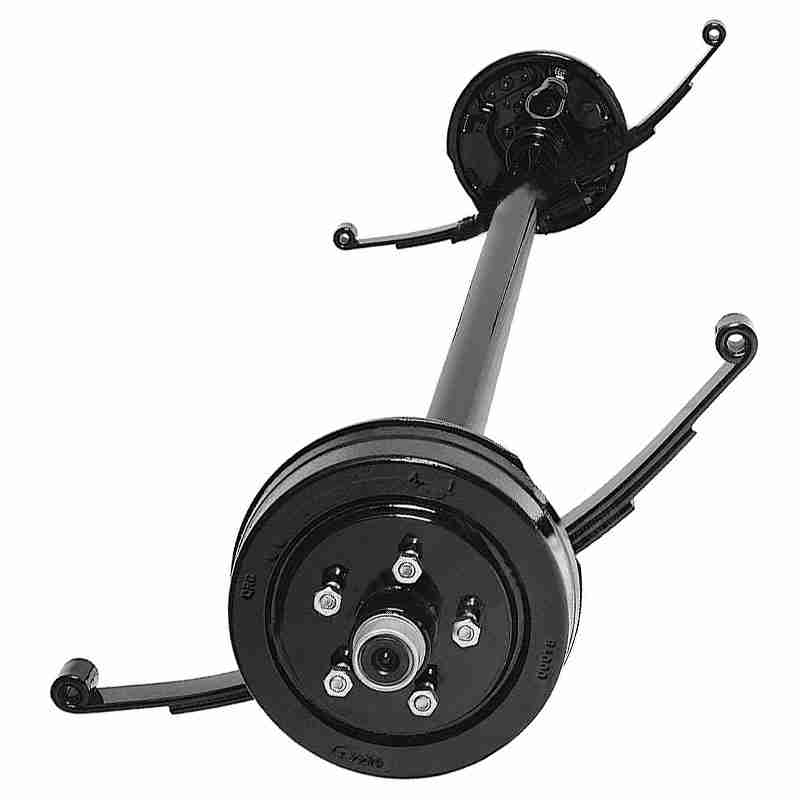
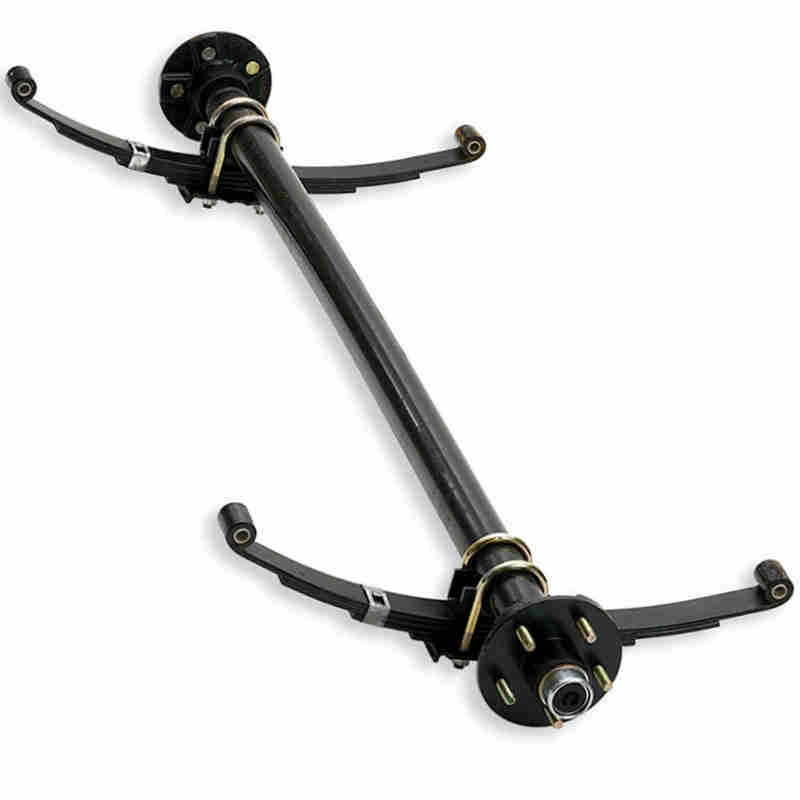
What is a Wheel Hub Assembly?
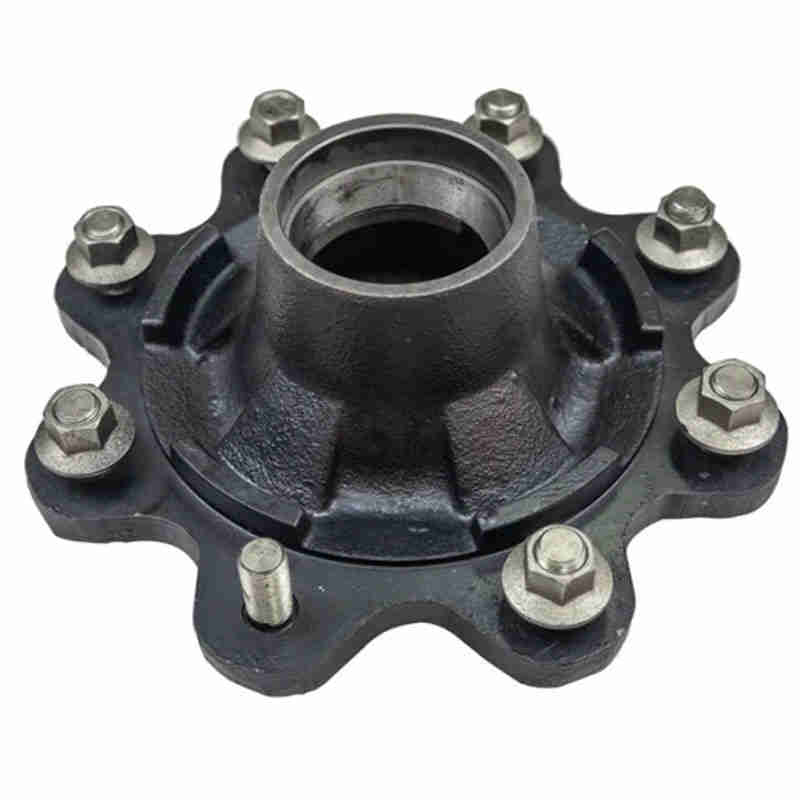
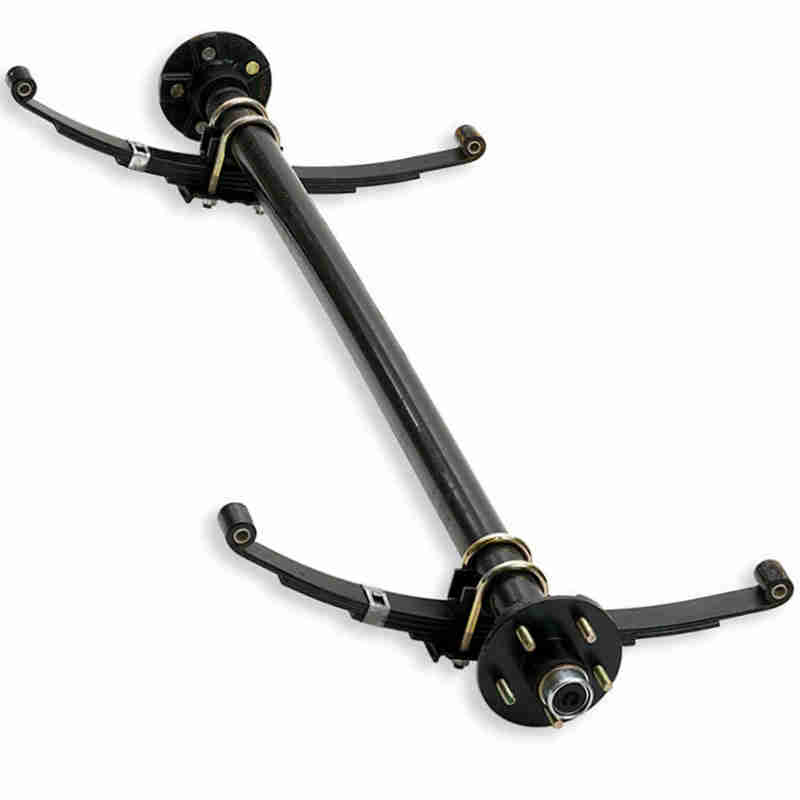
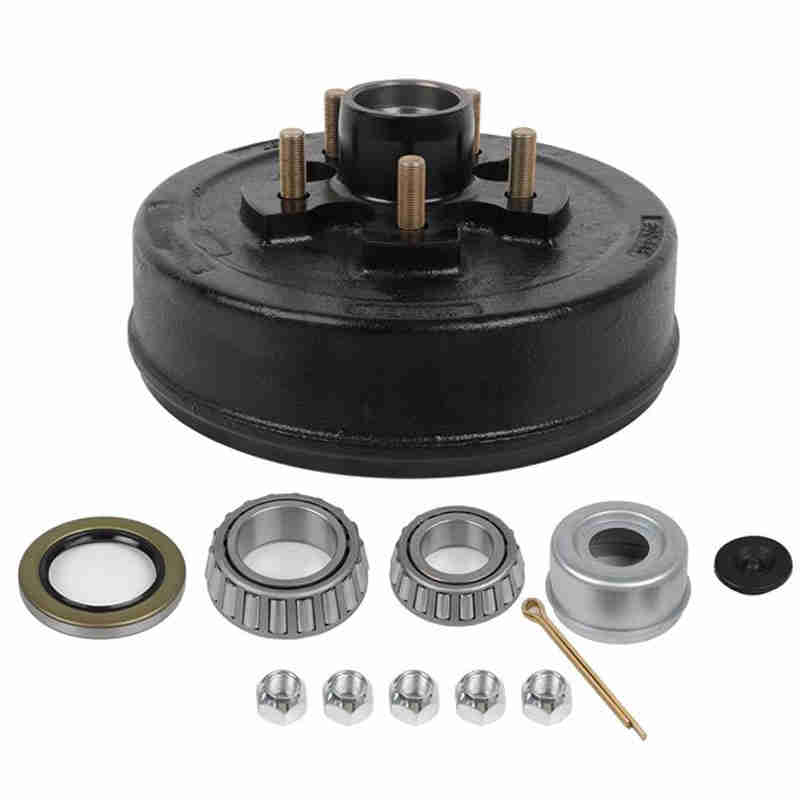
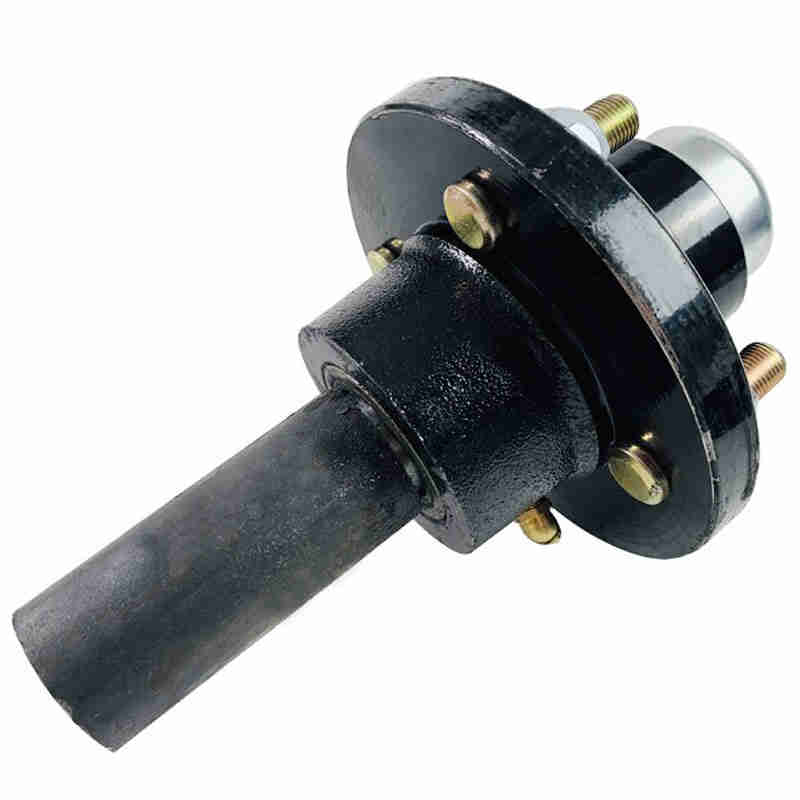
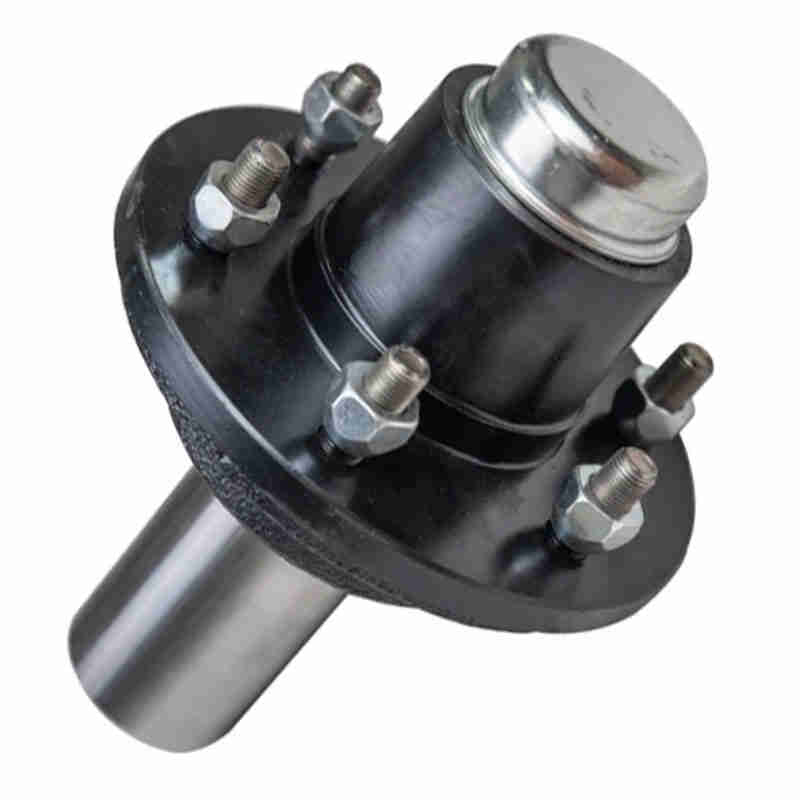
A wheel hub assembly is a crucial component in your vehicle's suspension and steering system. It connects the wheel to the axle and allows smooth rotation while supporting the vehicle's weight. Modern wheel hubs are often pre-assembled units that include the hub, bearings, and sensors, making replacement easier and more efficient.
Key Product Parameters
Our wheel hubs are engineered for durability, performance, and compatibility. Below are the detailed specifications:
Material and Construction
- Material: High-grade forged steel or aluminum alloy for strength and heat resistance
- Bearing Type: Sealed, pre-adjusted roller bearings or ball bearings
- Sealing: Double-lipped seals to prevent contamination and retain grease
- Finish: Anti-corrosion coating for extended lifespan
Technical Specifications
| Parameter |
Specification |
| Load Capacity |
Up to 1,200 kg per hub |
| Bolt Pattern |
4, 5, 6, or 8 lug patterns available (e.g., 5x114.3mm) |
| Center Bore Diameter |
Varies by model (e.g., 67.1mm to 72.6mm) |
| ABS Sensor Compatibility |
Integrated or non-integrated magnetic sensor options |
| Operating Temperature |
-40°F to 300°F (-40°C to 149°C) |
| Warranty |
Limited lifetime warranty |
Compatibility and Applications
- Vehicle Types: Sedans, SUVs, trucks, and commercial vehicles
- Drive Types: FWD, RWD, AWD, and 4WD compatible
- OE Replacement: Direct fit for major brands (e.g., Toyota, Ford, BMW)
Why Choose Our Wheel Hub Assemblies?
Our products undergo rigorous testing for quality assurance. They meet or exceed OEM standards, ensuring reliable performance and safety. Each unit is designed for easy installation, reducing labor time and costs.
Installation Guidelines
Proper installation is key to longevity. Always use a torque wrench to tighten lug nuts to the manufacturer's specifications (typically 80-100 ft-lbs). Ensure the mounting surface is clean and free of debris. For vehicles with ABS, reconnect sensors carefully to avoid damage.
Wheel Hub FAQs
Q: What are the signs of a failing wheel hub?
A: Common symptoms include humming or grinding noises while driving, vibration in the steering wheel, uneven tire wear, and ABS warning lights on the dashboard. If you notice any of these, have your wheel hubs inspected promptly.
Q: How long does a wheel hub assembly last?
A: Typically, a wheel hub can last between 85,000 to 100,000 miles, but this varies based on driving conditions, vehicle type, and maintenance. Off-road or heavy-load use may shorten its lifespan.
Q: Can I replace just the wheel bearing instead of the entire hub assembly?
A: In some older vehicles, bearings can be replaced separately. However, most modern vehicles use sealed hub assemblies for efficiency and safety. Replacing the entire unit is recommended to ensure reliability.
Q: Are wheel hubs universal, or do they vary by vehicle?
A: Wheel hubs are vehicle-specific. Differences in bolt patterns, center bore sizes, and ABS sensor types mean you must select a hub that matches your car's make, model, and year.
Q: Do I need to replace wheel hubs in pairs?
A: While not always mandatory, it is advisable to replace both sides (left and right) if one fails. This ensures balanced performance and prevents future issues on the opposite side.
Q: How do I maintain my wheel hubs?
A: Regular maintenance includes keeping the hubs clean, checking for play during tire rotations, and avoiding impact damage from potholes or curbs. No lubrication is needed for sealed units.