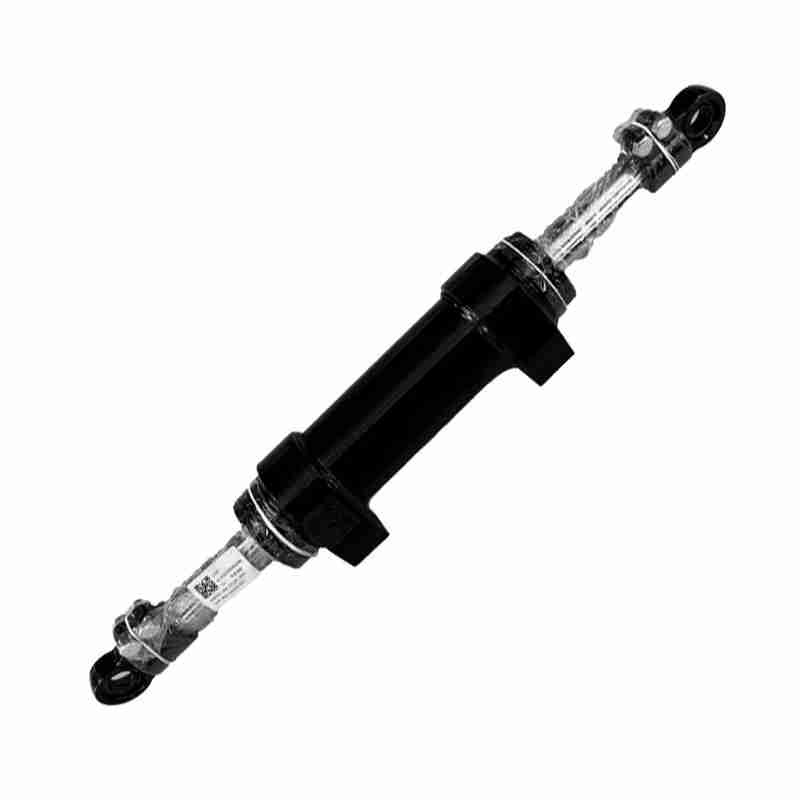
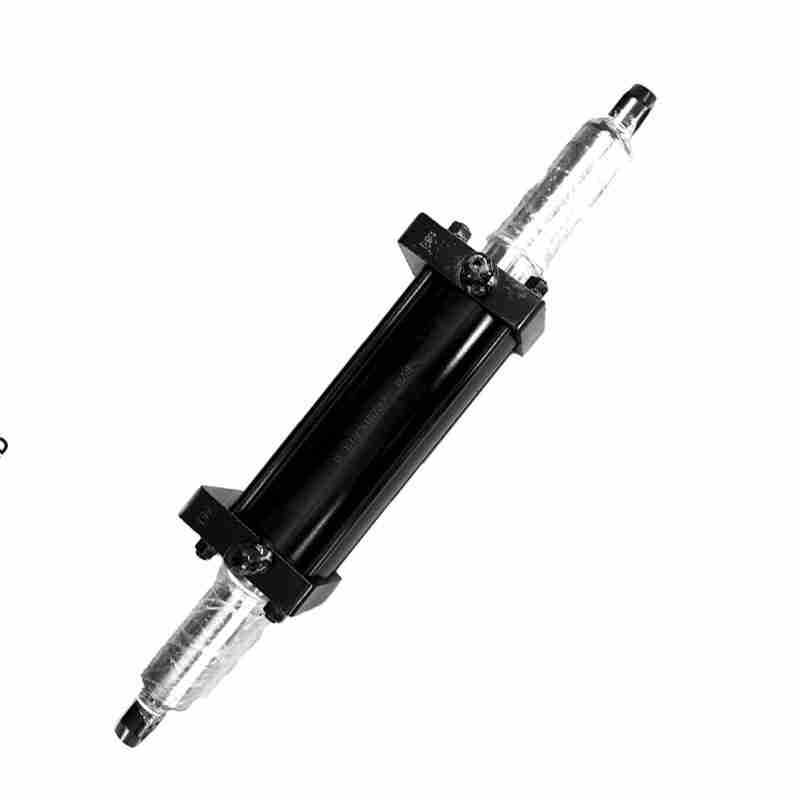
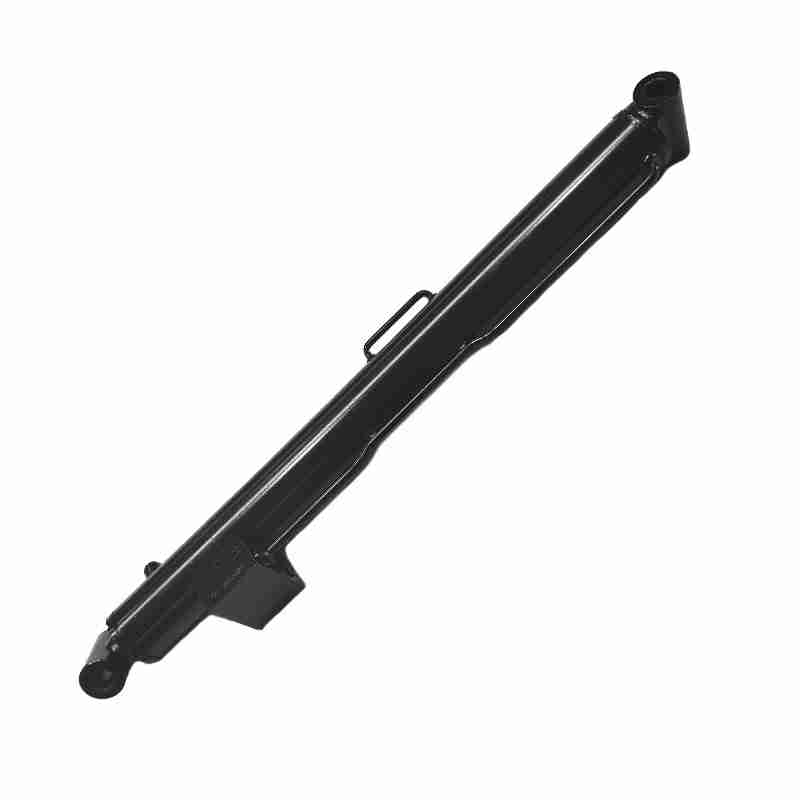
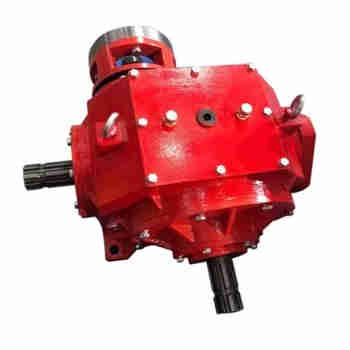
What is a Hydraulic Cylinder?
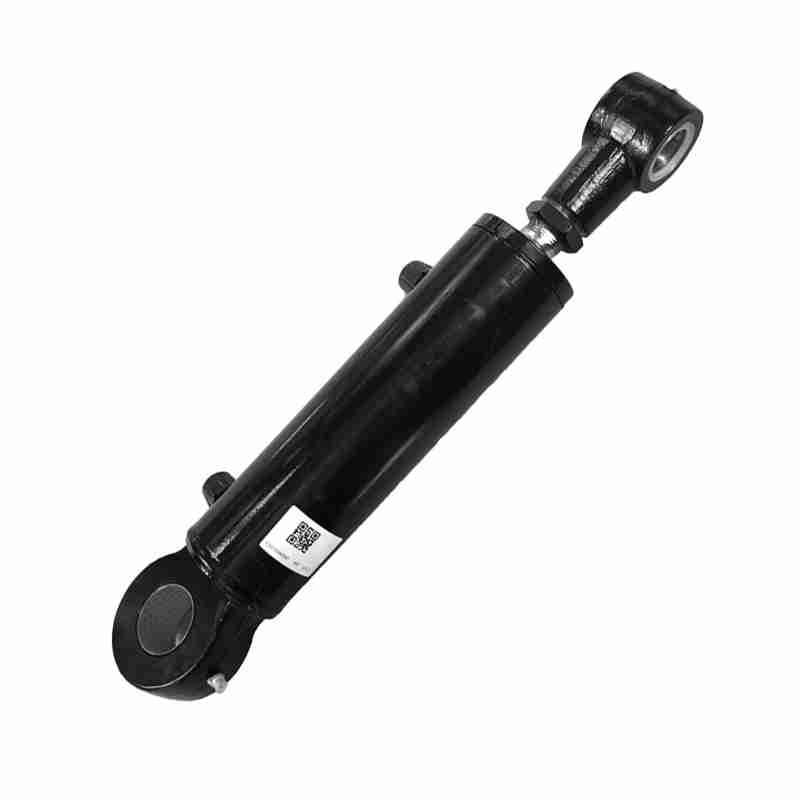
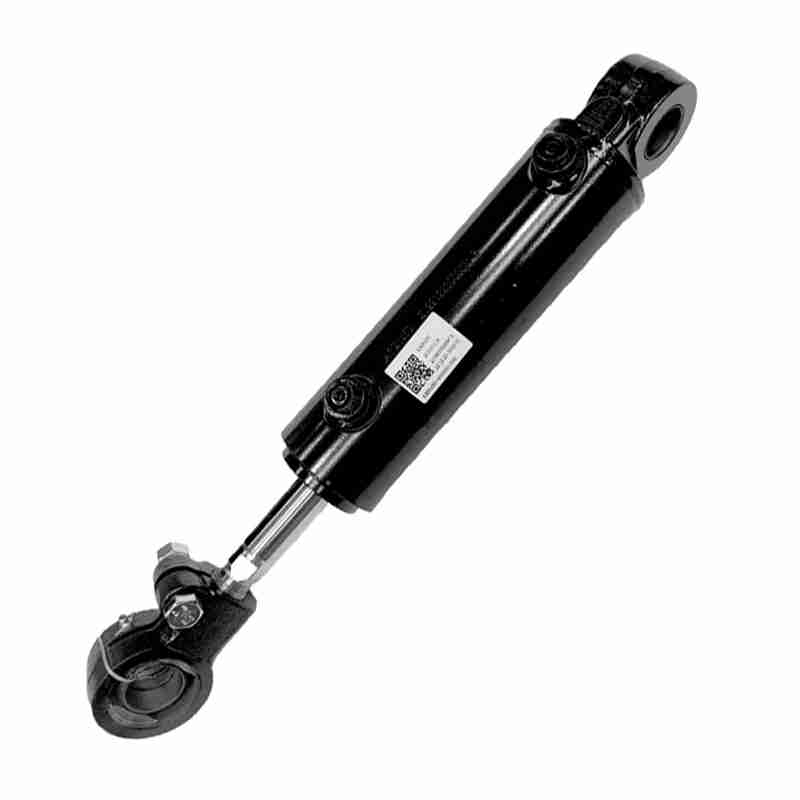
A Hydraulic Cylinder is a mechanical actuator that converts hydraulic energy into linear force and motion. It is a critical component in various industrial, construction, and mobile applications, providing powerful and precise movement for machinery such as excavators, presses, and lifting equipment. These cylinders operate based on Pascal's law, utilizing pressurized hydraulic fluid to generate motion.
Key Components of Hydraulic Cylinders
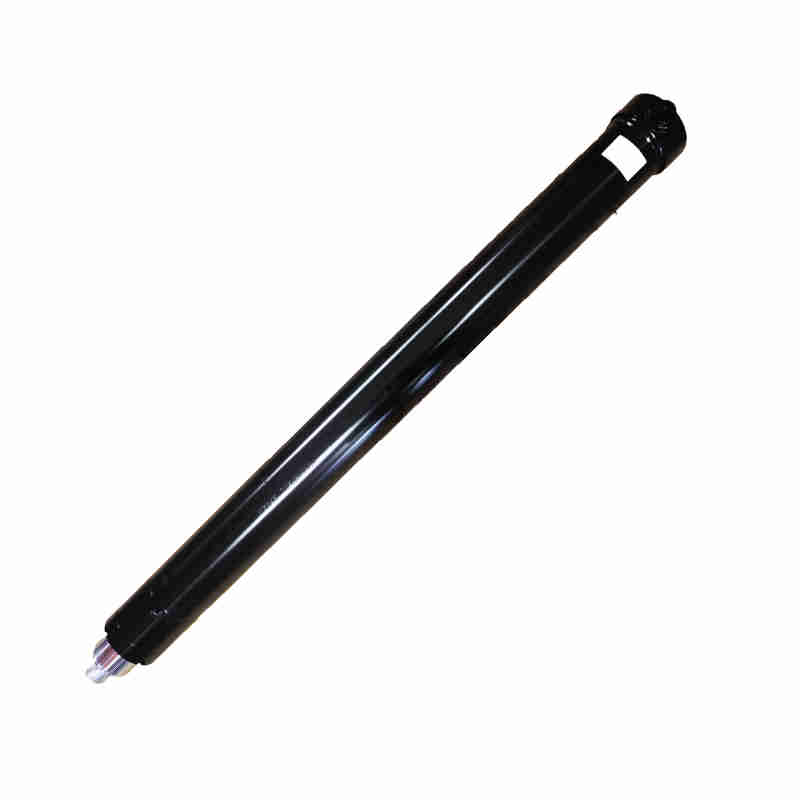
- Cylinder Barrel: The main body that houses the piston and hydraulic fluid.
- Piston: Moves back and forth within the barrel, separating the fluid chambers.
- Piston Rod: Connects the piston to the machine component, transmitting force.
- End Caps: Seal the ends of the barrel, often including ports for fluid entry and exit.
- Seals: Prevent fluid leakage and maintain pressure integrity.
- Mounting Options: Include clevis, flange, and trunnion mounts for secure installation.
Hydraulic Cylinder Product Parameters
Our hydraulic cylinders are engineered for durability and performance. Below are detailed specifications for our standard models.
| Model |
Bore Size (mm) |
Rod Diameter (mm) |
Stroke Length (mm) |
Max Pressure (bar) |
Operating Temperature (°C) |
Weight (kg) |
| HC-100 |
50 |
25 |
100-500 |
210 |
-20 to 100 |
5.2 |
| HC-200 |
80 |
40 |
200-1000 |
250 |
-30 to 120 |
12.8 |
| HC-300 |
100 |
50 |
300-1500 |
300 |
-40 to 150 |
25.5 |
| HC-400 |
125 |
63 |
400-2000 |
350 |
-50 to 180 |
42.0 |
Applications of Hydraulic Cylinders
- Construction Equipment: Used in excavators, bulldozers, and cranes for lifting and digging.
- Manufacturing Machinery: Essential in presses, injection molding machines, and assembly lines.
- Agricultural Implements: Employed in tractors and harvesters for precise control.
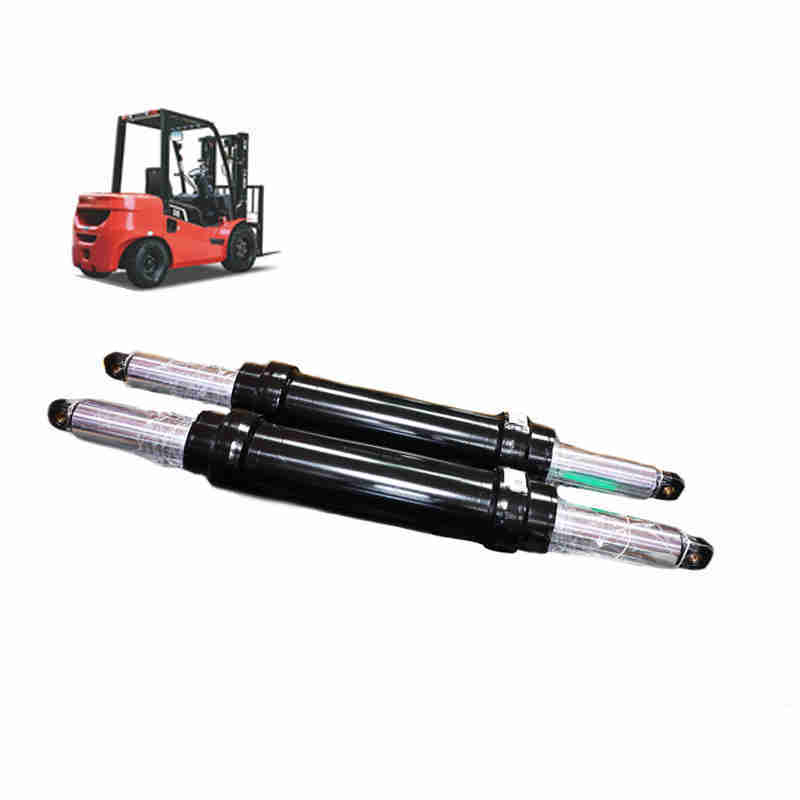
- Material Handling: Integral to forklifts and conveyor systems for load movement.
- Automotive Industry: Applied in car lifts, brakes, and suspension systems.
Advantages of Our Hydraulic Cylinders
- High load capacity and precision in force application.
- Robust construction with corrosion-resistant materials.
- Customizable strokes, mounts, and sizes to fit specific needs.
- Efficient sealing technology to minimize leakage and extend lifespan.
- Compliance with international standards like ISO 6020/2 and NFPA.
Hydraulic Cylinder FAQ
What is the typical lifespan of a hydraulic cylinder?
The lifespan varies based on usage, maintenance, and operating conditions. With proper care, our cylinders can last 10,000 to 20,000 hours of operation. Regular inspection of seals and fluid quality is crucial for longevity.
How do I choose the right hydraulic cylinder for my application?
Consider factors such as required force (calculated from pressure and bore size), stroke length, operating environment, mounting style, and speed. Our team can assist in selecting the optimal model based on your specifications.
What maintenance is required for hydraulic cylinders?
Routine maintenance includes checking for leaks, inspecting seals and rods for damage, monitoring hydraulic fluid cleanliness, and ensuring proper alignment. Lubrication of external parts may be needed depending on the application.
Can hydraulic cylinders be repaired or rebuilt?
Yes, most hydraulic cylinders can be repaired by replacing worn components like seals, rods, or barrels. Rebuilding is cost-effective and can restore performance to like-new condition, reducing downtime and expenses.
What are common causes of hydraulic cylinder failure?
Common causes include seal degradation due to age or contamination, rod bending or scoring from misalignment, fluid contamination leading to internal damage, and overpressurization exceeding design limits.
Are there different types of hydraulic cylinders?
Yes, main types include single-acting cylinders (force in one direction), double-acting cylinders (force in both directions), telescopic cylinders (for long strokes), and plunger cylinders (for high force applications). Each type suits specific operational needs.
How does temperature affect hydraulic cylinder performance?
Extreme temperatures can impact fluid viscosity, seal elasticity, and material expansion. Our cylinders are designed to operate within specified temperature ranges, using materials and fluids suited for harsh environments.
What materials are used in hydraulic cylinder construction?
Cylinder barrels are typically made from hardened steel or stainless steel, rods from chrome-plated steel for corrosion resistance, and seals from materials like polyurethane or nitrile rubber compatible with hydraulic fluids.
Can I use any hydraulic fluid with your cylinders?
We recommend using fluids that meet ISO or manufacturer specifications, such as anti-wear hydraulic oils. Compatibility with seal materials and operating conditions should be verified to prevent damage.
How do I calculate the force output of a hydraulic cylinder?
Force is calculated as pressure (in bar) multiplied by the piston area (π × (bore diameter/2)^2). For example, a cylinder with a 100mm bore at 250 bar pressure generates approximately 19,635 kg of force.