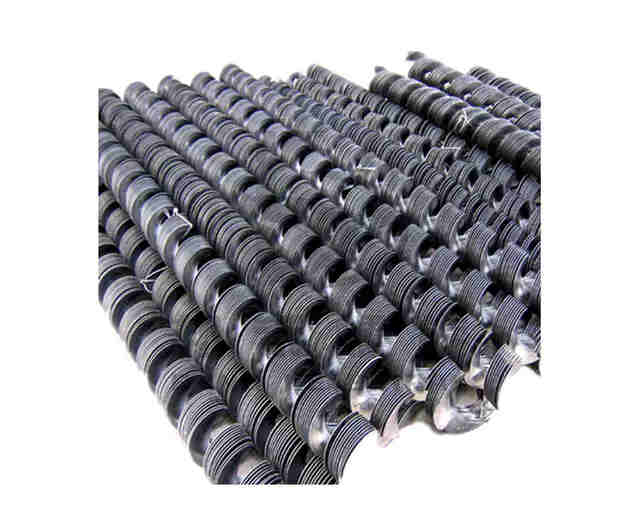
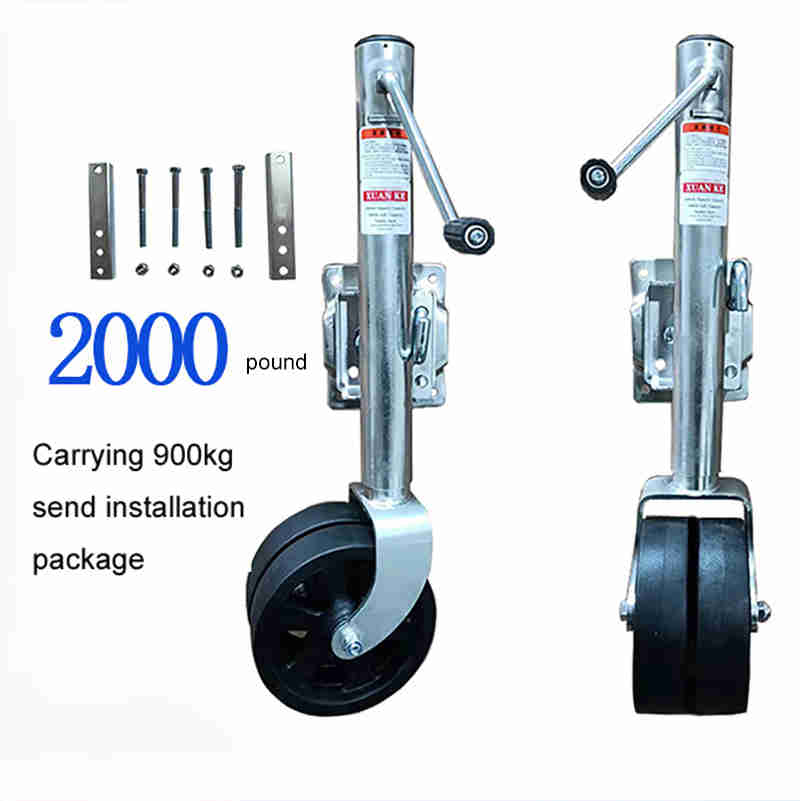
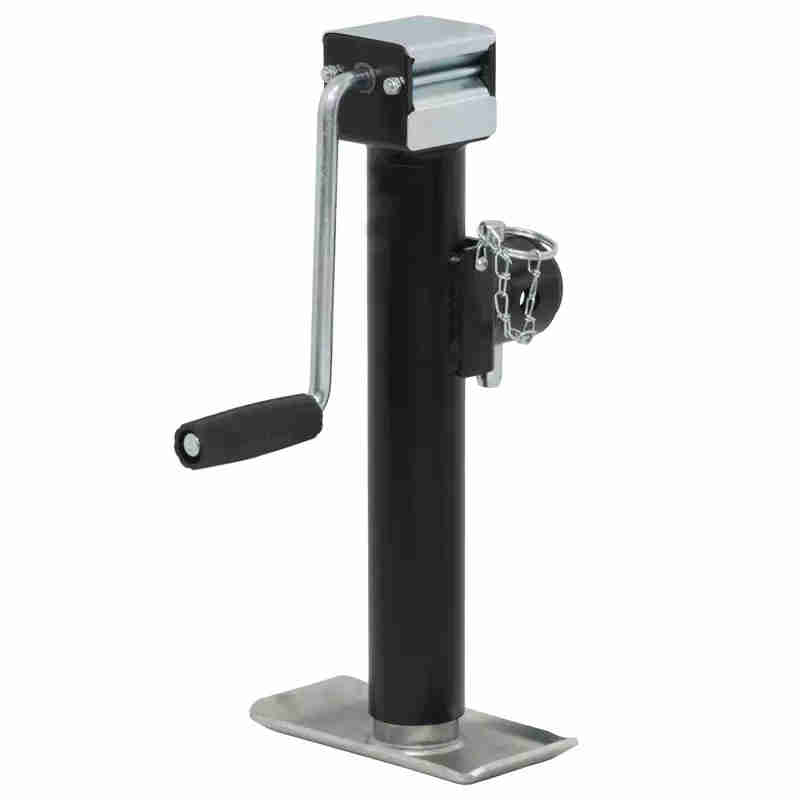
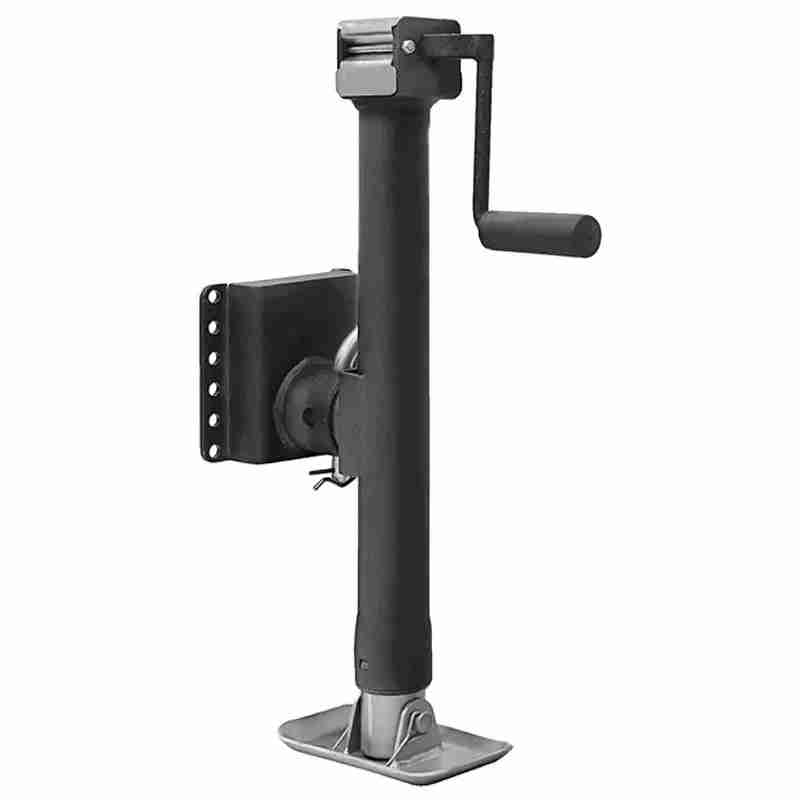
What Are Screw Jacks?
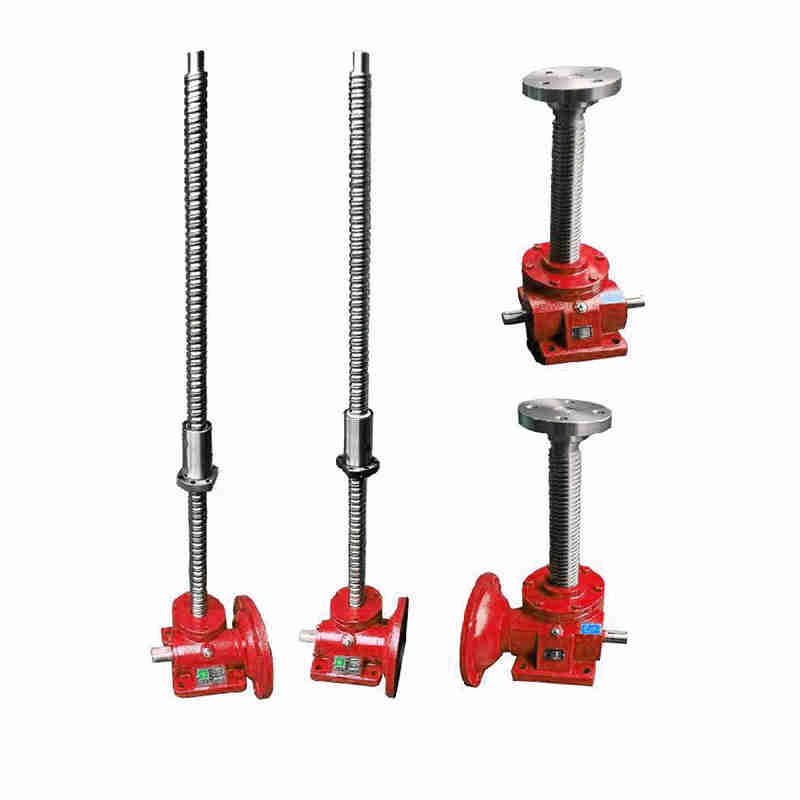
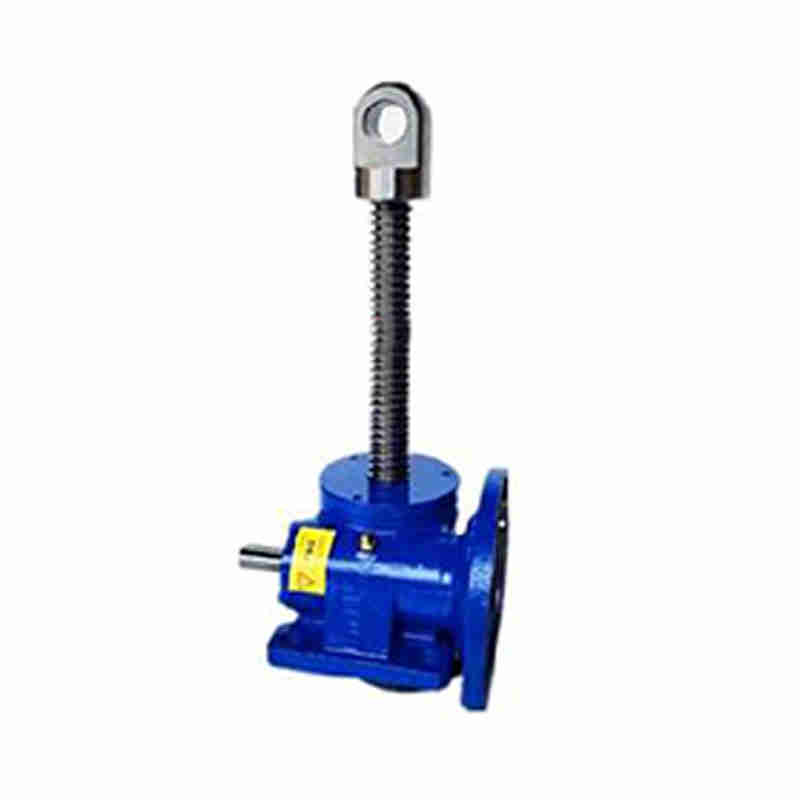
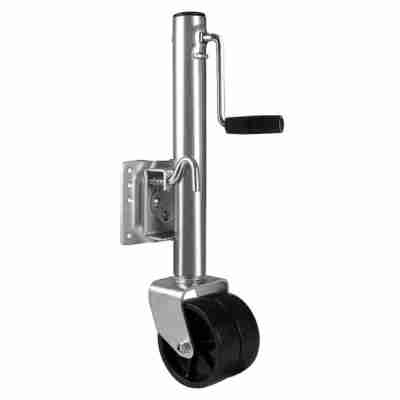
Screw jacks are mechanical devices used to lift, lower, position, align, and support heavy loads with precision and reliability. They operate on the principle of a screw mechanism, converting rotational motion into linear movement, making them ideal for applications where controlled, vertical displacement is required. These devices are commonly employed in industries such as construction, manufacturing, automotive, and aerospace due to their durability, simplicity, and ability to handle substantial weights without hydraulic or pneumatic systems. Screw jacks come in various types, including machine screw jacks and ball screw jacks, each designed for specific load capacities, speeds, and environmental conditions. Their versatility allows for use in everything from adjusting worktables and stages to lifting entire structures during maintenance or assembly processes.
Key Features and Benefits of Screw Jacks
Screw jacks offer several advantages that make them a preferred choice in many industrial settings. One of the primary benefits is their self-locking capability, which ensures that the load remains in position even when the input force is removed, enhancing safety and stability. They are also highly efficient, with minimal maintenance requirements, as they do not rely on fluids or compressors that can leak or fail. Additionally, screw jacks provide precise control over movement, allowing for incremental adjustments with high accuracy. This is particularly useful in applications like conveyor systems, where exact positioning is critical. Their robust construction, often made from materials such as steel or stainless steel, ensures longevity and resistance to wear, even in harsh environments. Furthermore, screw jacks can be customized with various accessories, including motorized actuators, limit switches, and protective covers, to meet specific operational needs.
Detailed Product Parameters
When selecting a screw jack, it is essential to consider several key parameters to ensure it meets your application requirements. Below is a comprehensive list and table outlining the critical specifications.
List of Important Parameters:
- Load Capacity: The maximum weight the jack can safely lift, typically ranging from 0.5 tons to 100 tons or more.
- Travel Length: The maximum vertical distance the jack can move, often adjustable based on screw length.
- Lifting Speed: The rate at which the jack raises or lowers the load, measured in millimeters per minute (mm/min).
- Efficiency: The ratio of output force to input force, influenced by the screw type (e.g., ball screw jacks have higher efficiency than machine screw jacks).
- Material: Common materials include carbon steel, stainless steel, or aluminum, affecting corrosion resistance and strength.
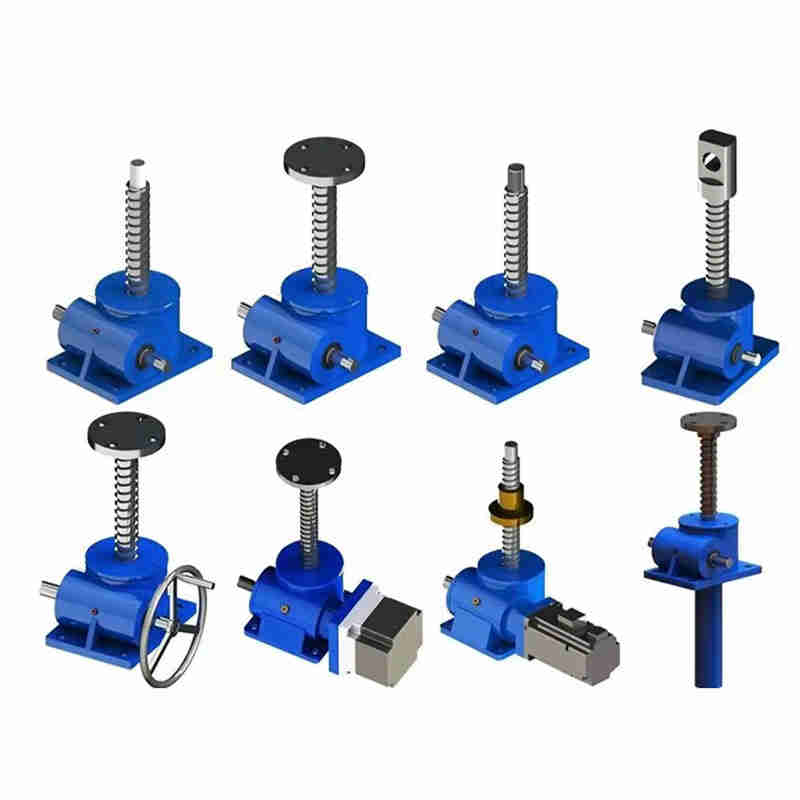
- Mounting Options: Such as top plate, clevis, or trunnion mounts, for easy integration into systems.
- Input Drive: Options include handwheel, motor, or gearbox, determining the method of operation.
- Environmental Rating: IP ratings for dust and water resistance, crucial for outdoor or harsh conditions.
Table of Standard Specifications:
| Parameter |
Machine Screw Jack |
Ball Screw Jack |
Units |
| Load Capacity |
Up to 50 tons |
Up to 100 tons |
Tons |
| Travel Length |
100 - 500 mm |
100 - 1000 mm |
Millimeters |
| Lifting Speed |
10 - 50 mm/min |
50 - 200 mm/min |
mm/min |
| Efficiency |
30 - 50% |
70 - 90% |
Percentage |
| Material |
Carbon Steel |
Stainless Steel |
- |
| Mounting Options |
Top Plate, Clevis |
Top Plate, Trunnion |
- |
| Input Drive |
Handwheel, Motor |
Motor, Gearbox |
- |
| IP Rating |
IP54 |
IP65 |
- |
Applications of Screw Jacks
Screw jacks are utilized in a wide array of industries due to their adaptability and strength. In construction, they are used for lifting formwork, adjusting scaffolding, or leveling structural components during building projects. Manufacturing applications include positioning heavy machinery, aligning assembly lines, and operating presses or clamps. The automotive industry relies on screw jacks for vehicle lifts, testing equipment, and conveyor adjustments. In aerospace, they assist in aligning aircraft parts and supporting maintenance operations. Other common uses include theater stage lifts, solar panel tracking systems, and agricultural equipment adjustments. The ability to handle both static and dynamic loads makes screw jacks a versatile solution for many mechanical systems.
FAQ: Frequently Asked Questions About Screw Jacks
What is the difference between a machine screw jack and a ball screw jack?
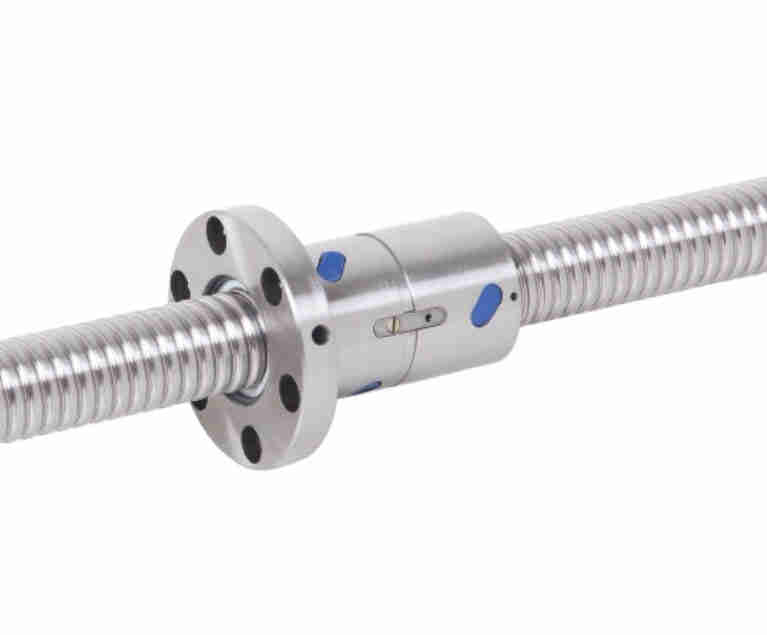
Machine screw jacks use a trapezoidal screw thread and are self-locking, making them suitable for holding loads without backdriving. They are generally more economical but have lower efficiency. Ball screw jacks incorporate ball bearings for reduced friction, offering higher efficiency and faster lifting speeds, but they may require a brake to prevent backdriving under certain conditions.
How do I determine the right load capacity for my application?
Calculate the total weight to be lifted, including any dynamic forces or shock loads. It is recommended to choose a screw jack with a load capacity at least 20% higher than the maximum expected load to account for safety factors and potential overloads. Consult engineering specifications or a manufacturer's guidelines for precise selection.
Can screw jacks be used in outdoor or corrosive environments?
Yes, but it depends on the material and protective features. Stainless steel screw jacks with high IP ratings (e.g., IP65) are designed for corrosive or wet environments. Regular maintenance, such as lubrication and cleaning, can also extend lifespan in harsh conditions.
What maintenance is required for screw jacks?
Maintenance typically involves periodic lubrication of the screw mechanism to reduce wear and ensure smooth operation. For ball screw jacks, check and replace ball bearings if necessary. Inspect for signs of corrosion, damage, or misalignment, and follow the manufacturer's recommended service intervals, usually every 6 to 12 months based on usage.
Are motorized screw jacks better than manual ones?
Motorized screw jacks offer automation, higher speed, and remote control capabilities, making them ideal for repetitive or heavy-duty applications. Manual jacks are simpler, cost-effective, and suitable for infrequent use or where power sources are unavailable. The choice depends on your specific needs for efficiency, convenience, and budget.
How do I install and align screw jacks properly?
Ensure the mounting surface is level and secure to prevent uneven loading. Use appropriate mounting hardware (e.g., bolts, clevis pins) and follow the manufacturer's installation instructions. For multiple jacks in a system, synchronize them using couplings or control systems to avoid binding and ensure uniform lifting. Regular checks for alignment during operation are advised.
What safety precautions should I take when using screw jacks?
Always operate within the rated load capacity and avoid exceeding travel limits. Use locking devices or brakes if provided, especially for ball screw jacks. Wear protective gear during installation and maintenance. Ensure the load is stable and centered on the jack to prevent tipping. Regularly inspect for wear and tear to avoid failures.
Can screw jacks be customized for specific applications?
Yes, many manufacturers offer customization options, including special materials, coatings, travel lengths, input drives, and accessories like limit switches or encoders. Provide detailed requirements to the supplier for tailored solutions that meet unique operational demands.