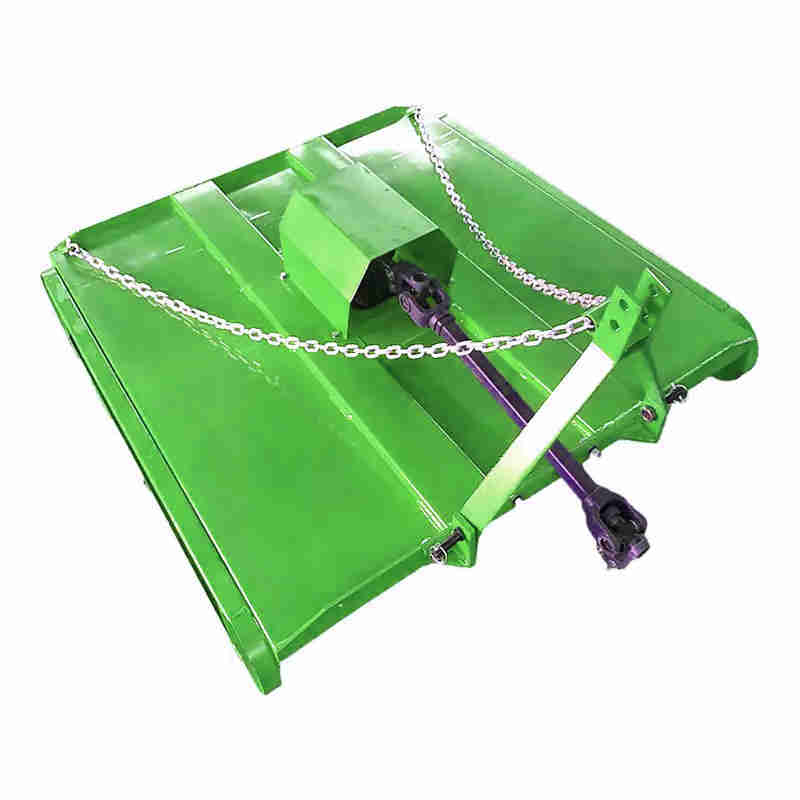
What Are PTO Shafts?
Power Take-Off (PTO) shafts are mechanical components designed to transfer power from a tractor or engine to an attached implement, such as a mower, baler, or tiller. They serve as a critical link in agricultural, industrial, and construction machinery, enabling efficient power transmission for various tasks. These shafts are engineered to handle high torque and rotational speeds while maintaining safety and durability. Understanding their design, specifications, and proper usage is essential for optimal performance and longevity.
Key Components of PTO Shafts
- Tube: The outer protective covering, usually made of steel, that shields the inner components and provides structural integrity.
- Inner Shaft: The rotating core that transmits torque, often constructed from hardened steel for strength.
- Universal Joints (U-Joints): Flexible connectors that allow the shaft to operate at angles, compensating for misalignment between the power source and implement.
- Yoke: The end fittings that connect the shaft to the tractor and implement, designed for secure attachment.
- Safety Shield: A protective cover that prevents contact with moving parts, reducing the risk of accidents.
- Sliding Mechanism: Allows length adjustment to accommodate different distances between machinery.
Product Parameters and Specifications
Our PTO shafts are manufactured to meet industry standards, ensuring reliability and compatibility. Below is a detailed table of specifications for our top models.
| Model |
Length Range (inches) |
Diameter (inches) |
Maximum RPM |
Torque Capacity (lb-ft) |
Material |
Weight (lbs) |
| PTO-100 |
24 - 48 |
1.375 |
1000 |
150 |
Carbon Steel |
12 |
| PTO-200 |
36 - 60 |
1.750 |
1200 |
300 |
Alloy Steel |
18 |
| PTO-300 |
48 - 72 |
2.000 |
1400 |
500 |
Stainless Steel |
25 |
| PTO-400 |
60 - 84 |
2.375 |
1600 |
750 |
Hardened Steel |
32 |
Applications of PTO Shafts
PTO shafts are versatile and used across multiple industries. In agriculture, they power equipment like hay balers, rotary cutters, and seed drills. In construction, they drive pumps and compressors. Industrial applications include conveyors and generators. Proper selection based on torque, speed, and length ensures efficient operation and minimizes wear.
Frequently Asked Questions (FAQ)
What is the purpose of a PTO shaft?
A PTO shaft transfers mechanical power from a tractor or engine to an attached implement, enabling it to perform tasks like cutting, drilling, or pumping without an independent power source.
How do I choose the right PTO shaft for my equipment?
Consider factors such as the required torque, maximum RPM, length needed between machines, and the type of implement. Refer to your equipment manual for specifications and match them with our product parameters table.
What safety precautions should I take when using a PTO shaft?
Always ensure the safety shield is intact and secure. Avoid wearing loose clothing near moving parts. Disengage the PTO before mounting or dismounting equipment, and regularly inspect for wear or damage.
How often should I lubricate my PTO shaft?
Lubricate the U-joints and sliding mechanism every 50 hours of operation or as recommended by the manufacturer. Use high-quality grease to reduce friction and prevent premature failure.
Can I repair a damaged PTO shaft, or should I replace it?
Minor repairs like replacing U-joints or shields are possible, but if the tube or inner shaft is bent or cracked, replacement is safer to avoid accidents and ensure reliability.
What does the RPM rating on a PTO shaft mean?
The RPM rating indicates the maximum rotational speed the shaft can safely handle without failing. Exceeding this limit can cause imbalance, vibration, or breakage.
Are PTO shafts interchangeable between different brands?
While many shafts follow standard sizes, compatibility depends on yoke design, length, and torque capacity. Always verify specifications before swapping to ensure proper fit and function.
How do I store a PTO shaft when not in use?
Clean the shaft thoroughly, apply a light coat of oil to prevent rust, and store it in a dry, horizontal position to avoid bending or deformation.
Maintenance Tips for Longevity
- Regularly inspect for cracks, rust, or wear on the tube and joints.
- Keep the shaft clean from debris and dirt to prevent abrasion.
- Ensure proper alignment during installation to reduce stress on components.
- Follow the manufacturer's guidelines for lubrication and torque settings.