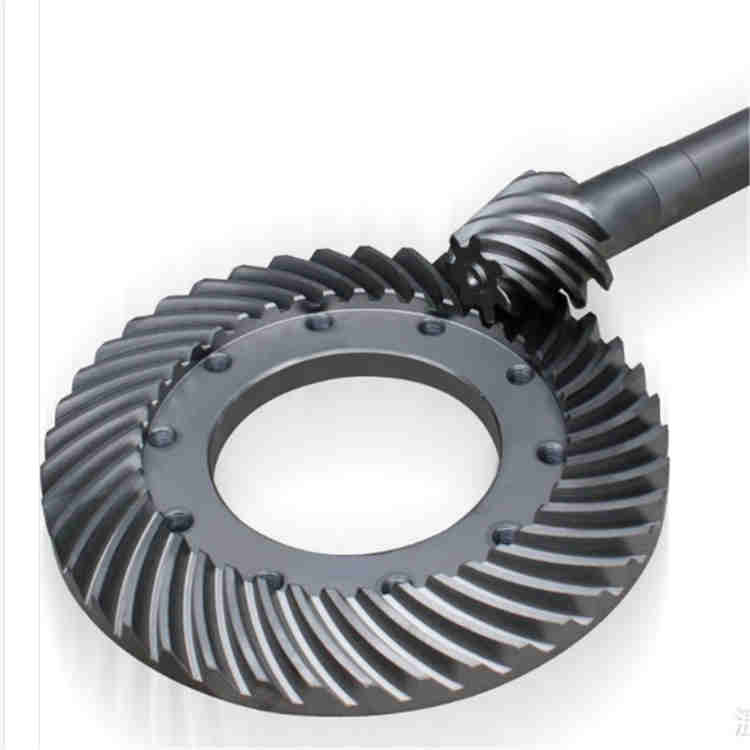
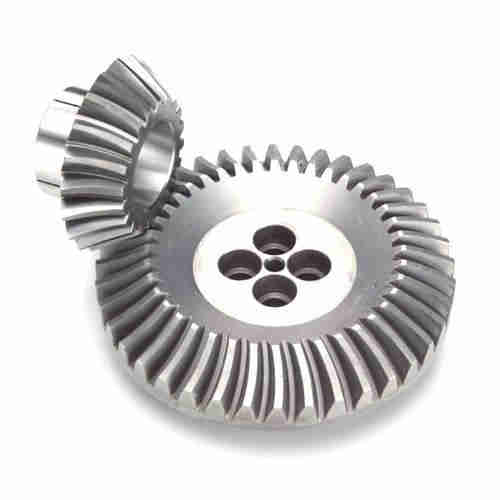
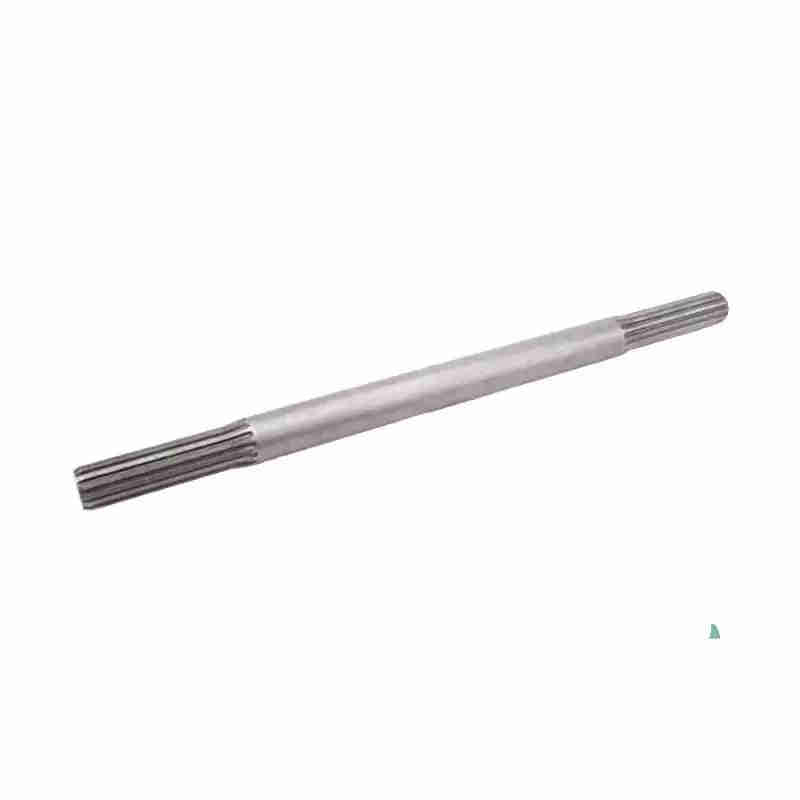
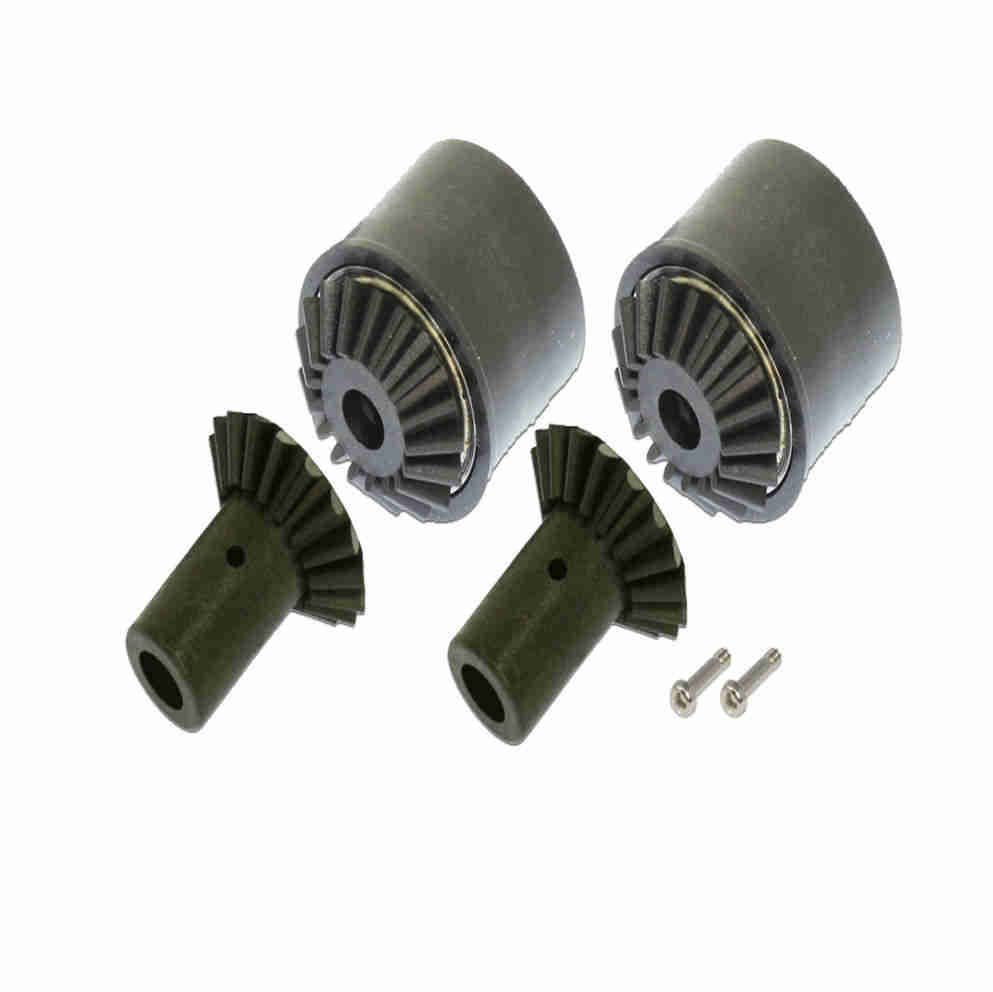
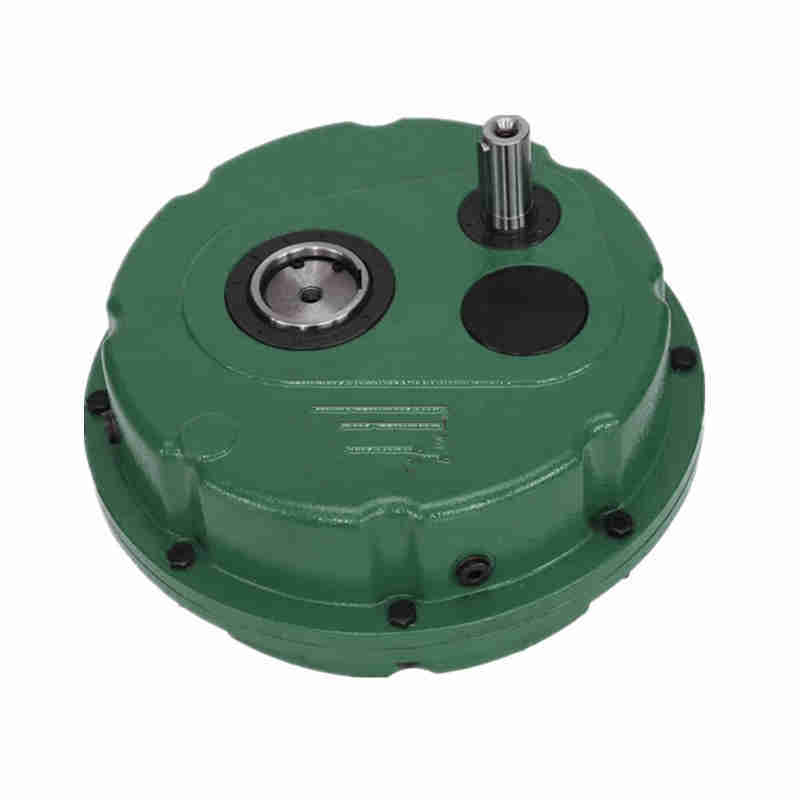
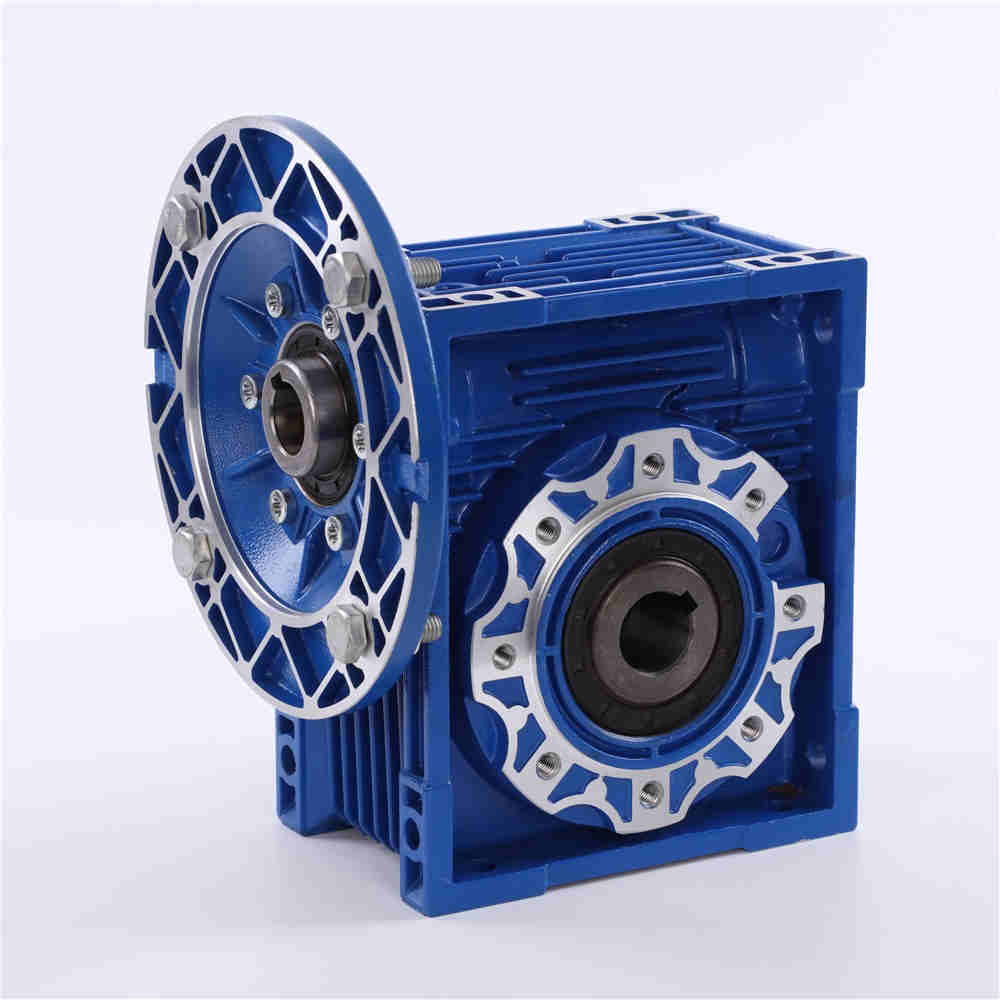
A gear shaft is a mechanical component designed to transmit torque and rotation between gears in various machinery. It serves as a critical element in power transmission systems, ensuring smooth operation and efficiency. Gear shafts are commonly used in automotive transmissions, industrial equipment, and aerospace applications due to their durability and precision engineering.
Key Product Parameters
Our gear shafts are manufactured to meet high standards of performance and reliability. Below are the detailed specifications:
Material Specifications
- Material Grade: ASTM A576 Grade 1045 Carbon Steel
- Hardness: 58-62 HRC (Rockwell Hardness Scale)
- Surface Treatment: Nitriding or Carburizing for enhanced wear resistance
- Corrosion Resistance: Coated with zinc phosphate or black oxide
Dimensional Parameters
| Parameter |
Range |
Tolerance |
| Diameter |
10mm to 200mm |
±0.05mm |
| Length |
50mm to 2000mm |
±0.1mm |
| Weight |
0.5kg to 50kg |
Based on design |
| Tooth Module |
1.0 to 8.0 |
±0.02mm |
Performance Metrics
- Max Torque Capacity: Up to 5000 Nm
- Operating Temperature: -40°C to 150°C
- Load Capacity: Dynamic load up to 10,000 N
- Lifespan: Over 100,000 hours under normal conditions
Applications of Gear Shafts
Gear shafts are integral to numerous industries, including:
- Automotive: Transmissions and differential systems
- Industrial Machinery: Conveyors, pumps, and manufacturing equipment
- Aerospace: Landing gear and control systems
- Marine: Propulsion and steering mechanisms
Frequently Asked Questions (FAQ)
Q: What materials are commonly used for gear shafts?
A: Gear shafts are typically made from high-strength materials such as carbon steel, alloy steel, or stainless steel. These materials offer excellent hardness, toughness, and resistance to wear and corrosion, ensuring longevity in demanding applications.
Q: How do I determine the right gear shaft size for my application?
A: The size depends on factors like torque requirements, speed, load capacity, and environmental conditions. Consult engineering specifications or use our sizing guide available on the product page, which includes formulas and charts for accurate selection.
Q: Can gear shafts be customized for specific needs?
A: Yes, we offer customization options for dimensions, material grades, surface treatments, and tooth profiles. Provide your technical drawings or requirements, and our team will engineer a solution tailored to your machinery.
Q: What maintenance is required for gear shafts?
A: Regular inspection for wear, proper lubrication, and alignment checks are essential. Use recommended lubricants to reduce friction and prevent overheating. In high-stress environments, schedule maintenance every 500-1000 operating hours.
Q: How does surface treatment improve gear shaft performance?
A: Treatments like nitriding or carburizing increase surface hardness, reducing wear and extending lifespan. Coatings such as zinc phosphate enhance corrosion resistance, making the shaft suitable for humid or corrosive environments.
Q: Are there industry standards for gear shaft manufacturing?
A: Yes, common standards include ISO 6336 for calculation of load capacity, AGMA 2001 for gear geometry, and ASTM A576 for material properties. Our products comply with these standards to ensure quality and interoperability.
Why Choose Our Gear Shafts?
Our gear shafts are precision-engineered using advanced CNC machining and quality control processes. They undergo rigorous testing for hardness, dimensional accuracy, and performance under load. With decades of expertise, we deliver components that reduce downtime and enhance efficiency in your systems.