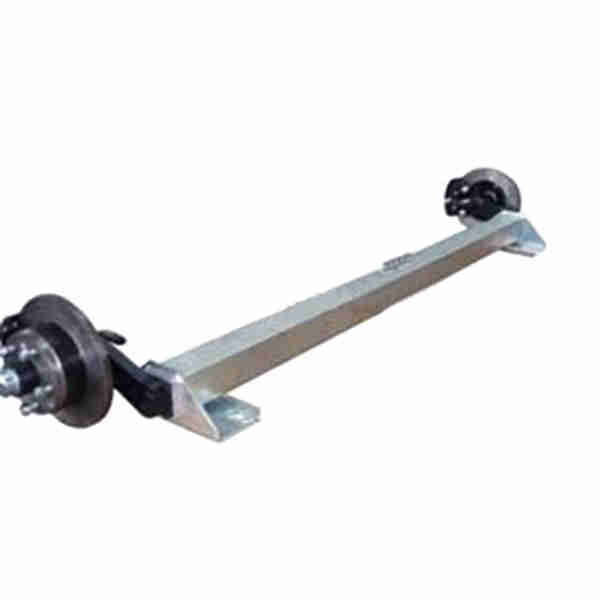
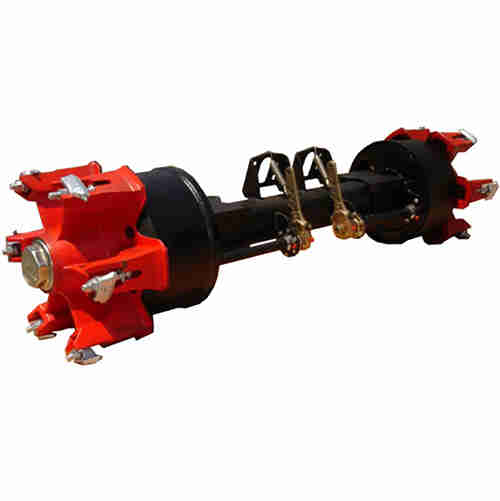
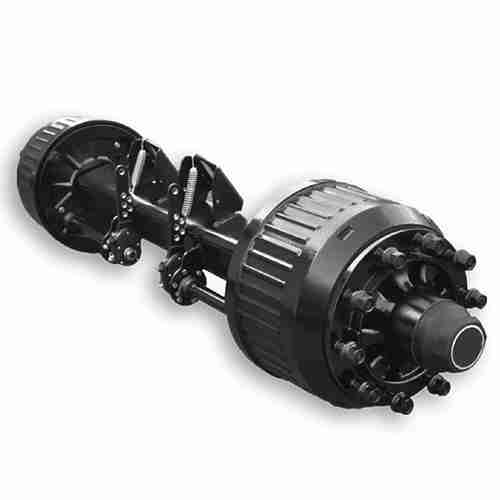
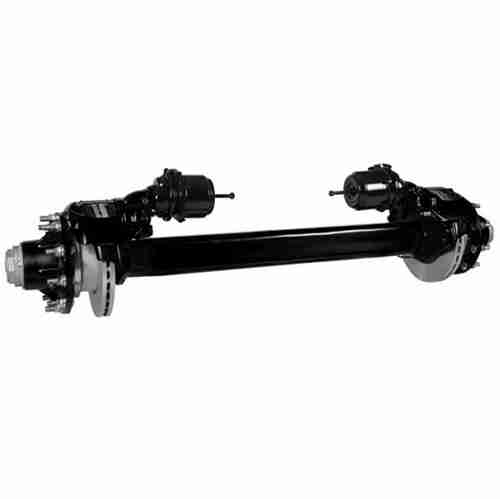
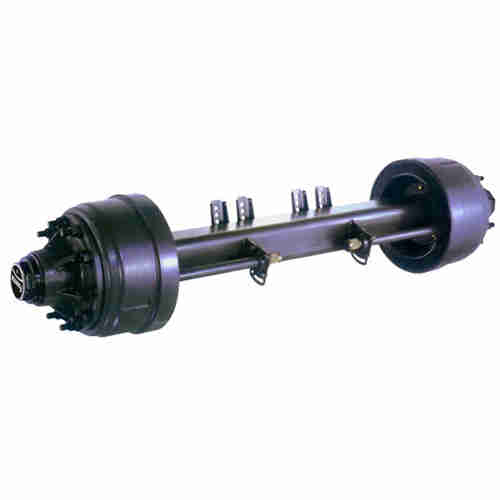
When it comes to towing heavy loads, the Heavy Duty Trailer Axles are the backbone of any robust trailer system. Designed for maximum durability and performance, these axles ensure safety and reliability in the most demanding conditions. Whether you're hauling construction equipment, agricultural machinery, or industrial materials, heavy duty trailer axles provide the strength needed to handle intense weight and stress. In this detailed guide, we'll explore the key parameters, features, and common questions surrounding these essential components.
Key Parameters of Heavy Duty Trailer Axles
Our heavy duty trailer axles are engineered with precision to meet industry standards and exceed expectations. Below is a comprehensive list of critical parameters that define their quality and functionality.
- Load Capacity: Ranges from 7,000 lbs to 25,000 lbs per axle, depending on the model and configuration.
- Material: Constructed from high-strength, heat-treated steel for superior toughness and resistance to wear and corrosion.
- Spindle Type: Available in various spindle designs, including straight and tapered, to accommodate different hub and bearing assemblies.
- Brake Compatibility: Compatible with electric, hydraulic, or air brake systems, ensuring versatile integration with existing trailer setups.
- Finish: Options include powder-coated, galvanized, or painted finishes for enhanced protection against environmental elements.
- Warranty: Backed by a 5-year limited warranty that covers defects in materials and workmanship.
For a more detailed comparison, refer to the table below which outlines specific models and their attributes.
| Model Number |
Load Capacity (lbs) |
Spindle Type |
Brake Type |
Finish |
Price Range (USD) |
| HDTA-7000 |
7,000 |
Straight |
Electric |
Powder-Coated |
$300 - $400 |
| HDTA-12000 |
12,000 |
Tapered |
Hydraulic |
Galvanized |
$500 - $600 |
| HDTA-18000 |
18,000 |
Straight |
Air |
Painted |
$700 - $800 |
| HDTA-25000 |
25,000 |
Tapered |
Air |
Galvanized |
$900 - $1,100 |
Features and Benefits
Heavy duty trailer axles are packed with features that enhance performance and longevity. These include reinforced welding at stress points, precision-machined spindles for smooth rotation, and compatibility with a wide range of tire sizes. The benefits are clear: reduced maintenance costs, improved fuel efficiency due to better weight distribution, and increased safety on the road. Additionally, many models come with pre-installed brake flanges and mounting hardware for easy installation.
FAQs About Heavy Duty Trailer Axles
What is the maximum weight a heavy duty trailer axle can support?
Heavy duty trailer axles are designed to support weights ranging from 7,000 to 25,000 pounds per axle, depending on the specific model. It's crucial to choose an axle that matches your trailer's gross vehicle weight rating (GVWR) to ensure safety and compliance with regulations. Always consult the manufacturer's specifications for exact limits.
How do I determine the right axle for my trailer?
To select the appropriate axle, consider factors such as the total weight of your load, the type of terrain you'll be traversing, and the brake system compatibility. Measure the existing axle's length, spindle type, and hub face distance. It's also advisable to check local laws and industry standards for towing requirements to make an informed decision.
Are heavy duty trailer axles compatible with all types of brakes?
Yes, most heavy duty trailer axles are designed to be compatible with electric, hydraulic, and air brake systems. However, it's essential to verify the specific model's brake mounting options and ensure that the axle comes with the necessary flanges or adapters for your chosen brake type. Custom configurations may be available for unique setups.
What maintenance is required for heavy duty trailer axles?
Regular maintenance includes inspecting for signs of wear, such as cracks or rust, lubricating bearings annually, and checking brake components for proper function. Ensure that the axle is aligned correctly to prevent uneven tire wear. Following the manufacturer's maintenance schedule can extend the axle's lifespan and prevent costly repairs.
Can I install a heavy duty trailer axle myself, or do I need professional help?
While some experienced individuals may attempt self-installation, it's generally recommended to seek professional assistance due to the critical nature of axle installation. Improper installation can lead to safety hazards, including axle failure or brake malfunctions. Professionals have the tools and expertise to ensure proper alignment, torque specifications, and compliance with safety standards.
What materials are used in the construction of heavy duty trailer axles?
These axles are typically made from high-strength, heat-treated steel alloys that offer excellent durability and resistance to bending or breaking under stress. Some models may feature additional coatings like galvanization or powder coating to protect against corrosion, especially in harsh environments such as coastal areas or winter road conditions.
How long do heavy duty trailer axles typically last?
With proper maintenance and usage within specified limits, heavy duty trailer axles can last between 10 to 15 years or more. Factors such as frequency of use, load weight, and environmental conditions can affect longevity. Regular inspections and timely replacements of worn parts can help maximize their service life.
Are there any warranties available for heavy duty trailer axles?
Yes, many manufacturers offer warranties, such as a 5-year limited warranty that covers defects in materials and workmanship. Be sure to read the warranty terms carefully, as they may vary based on the model and usage conditions. Keep your purchase documentation for any potential claims.
What should I do if my axle shows signs of damage?
If you notice any damage, such as bending, cracking, or excessive rust, immediately stop using the trailer and consult a professional for inspection and repair. Do not attempt to weld or modify the axle yourself, as this can compromise its integrity and void any warranties. Replacement may be necessary if the damage is severe.
Can heavy duty trailer axles be customized for specific applications?
Absolutely. Many providers offer customization options, including altered lengths, special spindle types, or custom brake mounts. Discuss your needs with the manufacturer or supplier to ensure the axle meets your specific requirements for applications like heavy machinery transport or specialized trailers.