Gear: The Ultimate Solution for Your Mechanical Needs
In the world of mechanical engineering and industrial applications, having the right components is crucial for efficiency and performance. Among these, Gear stands out as a fundamental element in numerous systems, from automotive to manufacturing. This comprehensive guide delves into the details of our high-quality gear products, covering specifications, applications, and answers to common queries. Whether you're a seasoned engineer or a newcomer, this resource aims to provide clear, actionable information to help you make informed decisions.
Key Product Parameters
Our gear line is designed with precision and durability in mind. Below is a list of essential parameters that define our offerings:
- Material: High-grade steel, stainless steel, or brass, depending on the application requirements.
- Module Size: Ranges from 0.5 to 10, ensuring compatibility with various machinery.
- Number of Teeth: Customizable from 10 to 200 teeth, tailored to specific torque and speed needs.
- Pressure Angle: Standard 20 degrees or custom angles for specialized applications.
- Hardness: Heat-treated to achieve 58-62 HRC for enhanced wear resistance.
- Surface Finish: Precision grinding or polishing for smooth operation and reduced noise.
- Operating Temperature Range: -40°C to 150°C, suitable for extreme environments.
- Load Capacity: Designed to handle up to 500 Nm torque without deformation.
Detailed Specifications Table
| Parameter |
Standard Value |
Custom Options |
Applications |
| Material Composition |
Steel (AISI 1045) |
Stainless steel, brass, plastic |
General machinery, automotive |
| Module (mm) |
1.0 - 5.0 |
0.5 - 10.0 |
Precision instruments, heavy equipment |
| Teeth Count |
20 - 100 |
10 - 200 |
Gearboxes, conveyors |
| Pressure Angle (degrees) |
20 |
14.5, 25 |
High-speed drives, low-noise systems |
| Hardness (HRC) |
60 |
55 - 65 |
Industrial mills, mining equipment |
| Weight (kg) |
0.1 - 5.0 |
0.05 - 50.0 |
Aerospace, robotics |
| Corrosion Resistance |
Moderate (steel) |
High (stainless steel coating) |
Marine, chemical processing |
Frequently Asked Questions (FAQ)
What types of gear do you offer?
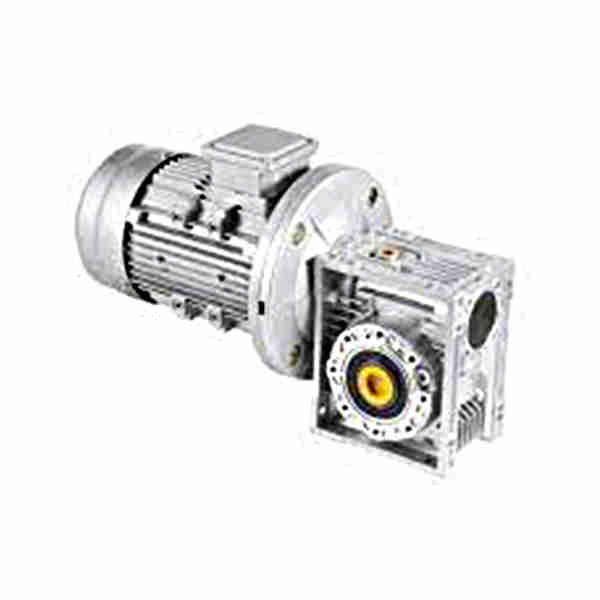
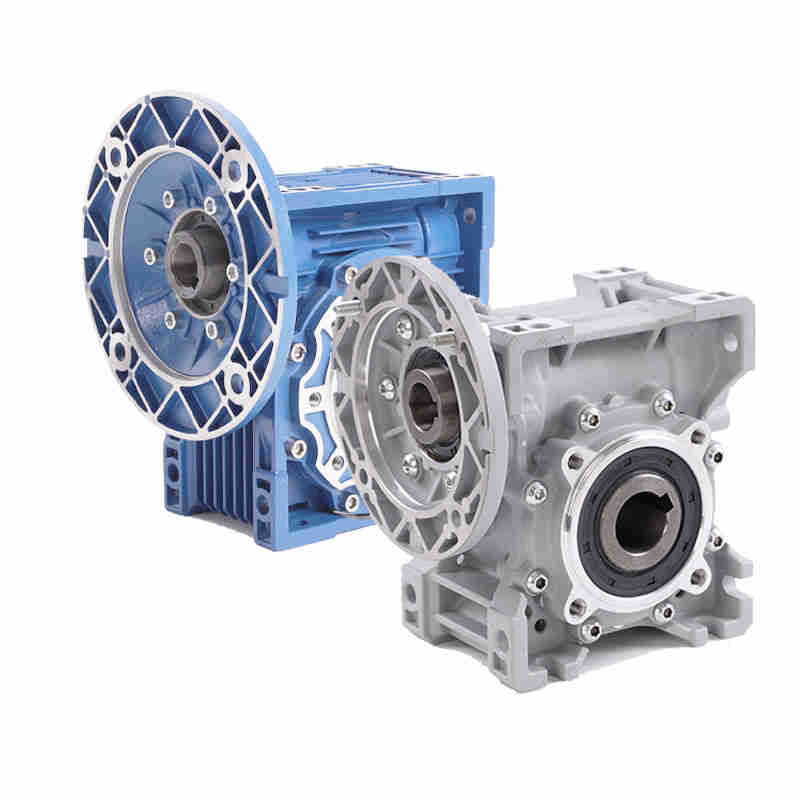
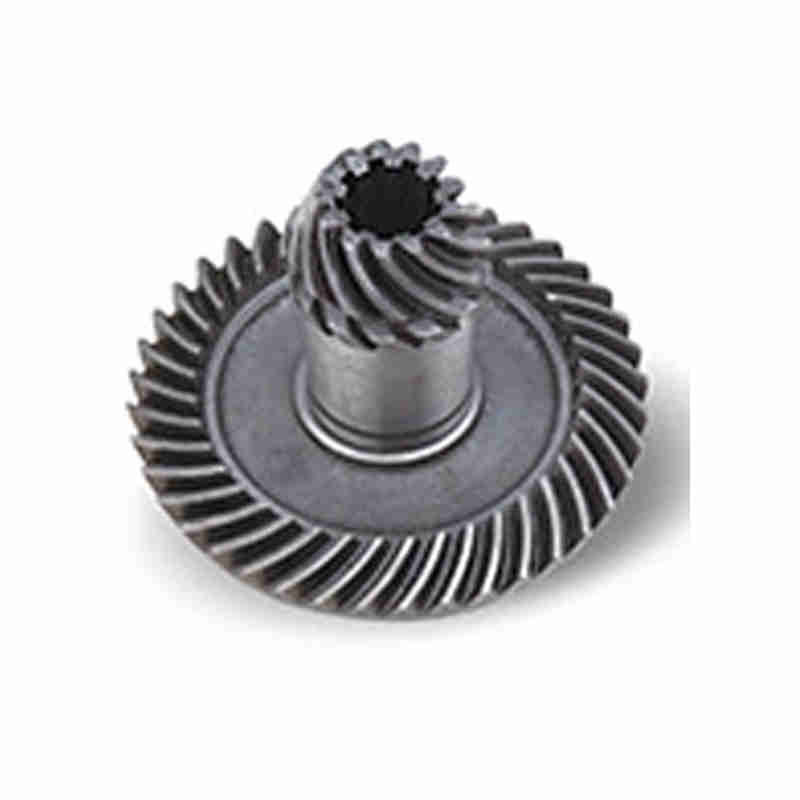
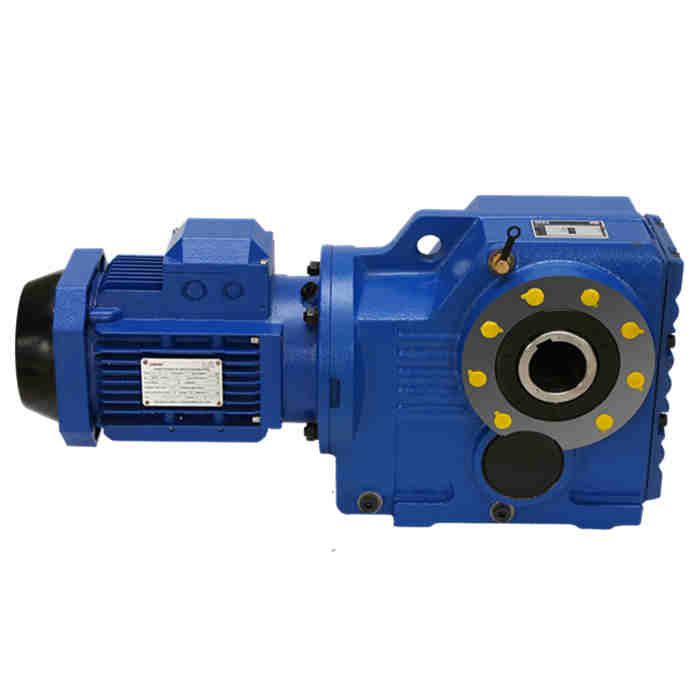
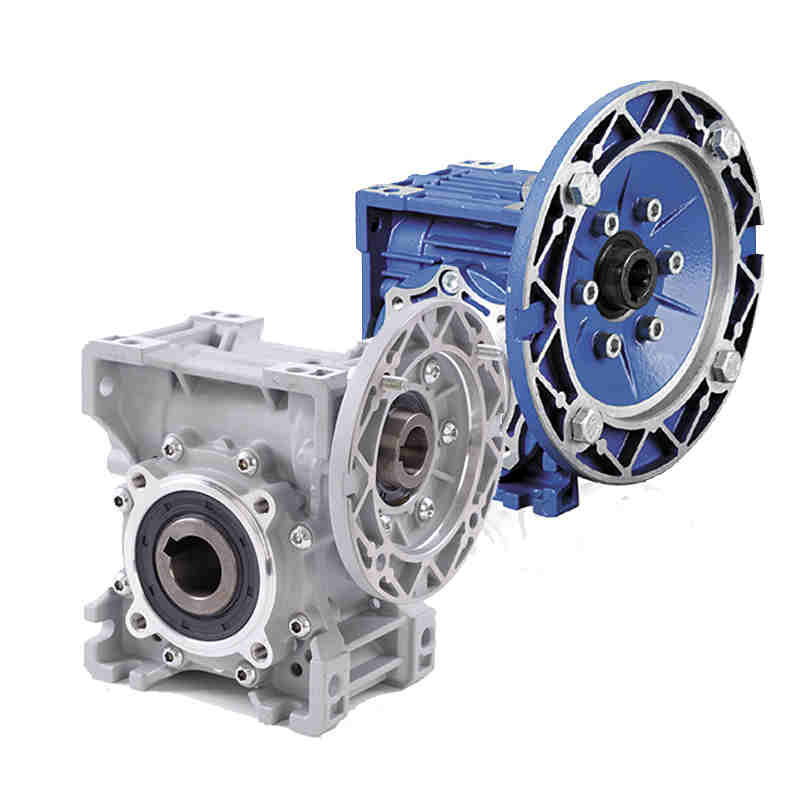
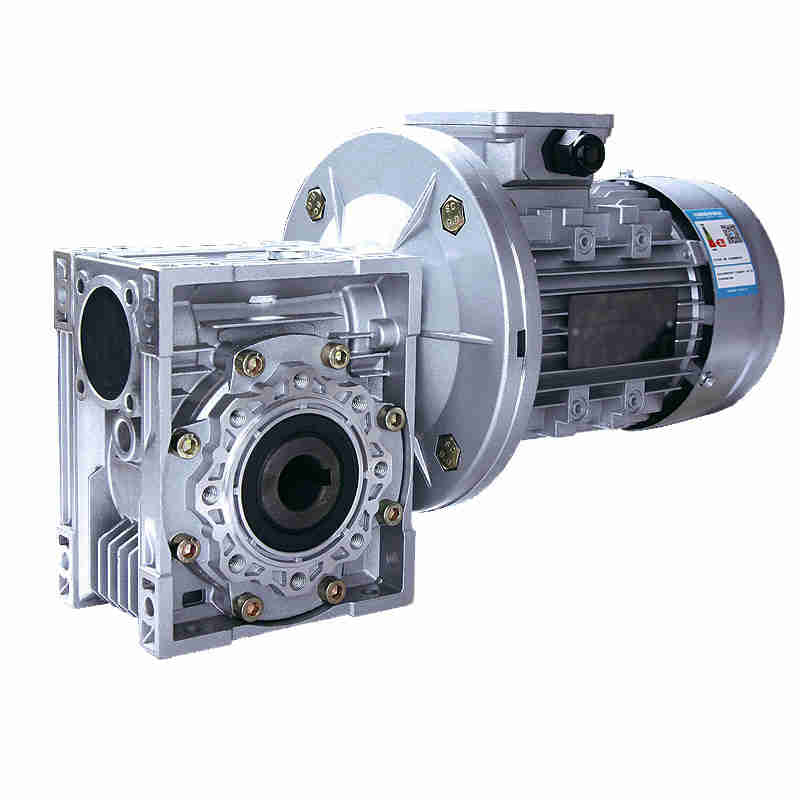
We provide a wide range of gears, including spur gears, helical gears, bevel gears, and worm gears. Each type is engineered for specific applications, such as high-torque transmission or angular motion, with customizable options based on material, size, and tooth profile.
How do I select the right gear for my application?
Choosing the appropriate gear depends on factors like load requirements, speed, environment, and space constraints. Our team recommends considering the module size, number of teeth, and material compatibility. For instance, helical gears are ideal for high-speed applications due to their smooth operation, while spur gears are better for low-noise, high-torque scenarios.
What maintenance is required for your gears?
Regular maintenance includes lubrication to reduce friction and wear, inspection for signs of pitting or cracking, and alignment checks to ensure optimal performance. We suggest using high-quality lubricants and following a schedule based on operating hours—typically every 500 hours for industrial use.
Can you customize gears to non-standard specifications?
Yes, we offer full customization services for gears, including unusual sizes, materials, and tooth profiles. Provide us with your detailed requirements, such as CAD drawings or specifications, and our engineering team will work with you to develop a solution that meets your exact needs, often with a turnaround time of 2-4 weeks.
What is the lifespan of your gears under normal conditions?
Under standard operating conditions with proper maintenance, our gears can last between 5 to 10 years, depending on the application. Factors like load intensity, environmental exposure, and maintenance frequency play significant roles. For example, gears in heavy machinery might require replacement sooner than those in light-duty systems.
Do you provide international shipping and support?
We ship globally and offer technical support for all our products. Our logistics network ensures timely delivery, and our customer service team is available to assist with installation guidance, troubleshooting, and warranty claims. Typically, shipping takes 5-10 business days for most regions, with expedited options available.
How do your gears compare to competitors in terms of quality?
Our gears are manufactured using state-of-the-art CNC machinery and undergo rigorous quality control tests, including hardness checks, dimensional verification, and load testing. This ensures superior performance, durability, and consistency compared to many competitors, often resulting in higher efficiency and longer service life.
Are there eco-friendly options available?
We offer gears made from recycled materials and employ sustainable manufacturing practices to minimize environmental impact. Options include biodegradable lubricants and energy-efficient production processes, aligning with green initiatives without compromising on performance.