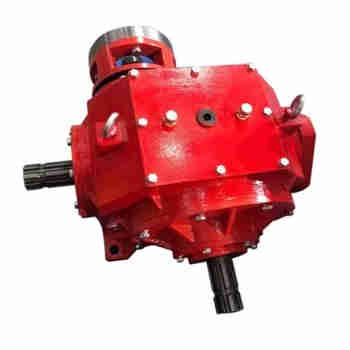
A Rotary Tiller Gearbox is the heart of any modern tilling machine, responsible for transferring power from the tractor's PTO (Power Take-Off) to the tine shaft, enabling the blades to break and churn the soil effectively. This critical component ensures optimal performance, durability, and efficiency in agricultural operations. Built to withstand high torque and demanding conditions, a high-quality gearbox is essential for maximizing productivity and minimizing downtime.
Key Features and Advantages
Our rotary tiller gearboxes are engineered with precision to deliver unmatched performance. Here are the core features that set them apart:
- High-Strength Housing: Constructed from robust cast iron or ductile iron, the housing provides superior protection for internal gears against dust, moisture, and impact.
- Precision-Hardened Gears: The gears are manufactured from high-grade alloy steel and undergo carburizing and quenching processes, ensuring exceptional wear resistance and a long operational lifespan.
- Efficient Lubrication System: Designed with optimal oil capacity and efficient sealing to reduce friction and heat generation, maintaining consistent performance even under continuous heavy loads.
- Versatile Mounting Options: Available in various configurations to fit a wide range of tractor models and rotary tiller brands, ensuring easy installation and compatibility.
- Advanced Seal Technology: Utilizes high-quality oil seals and gaskets to prevent lubricant leakage and contamination, crucial for reliability in dusty environments.
Detailed Technical Specifications
Understanding the specifications is vital for selecting the right gearbox for your needs. The table below outlines the standard parameters for our product range.
| Parameter |
Specification |
Details / Notes |
| Model Series |
RTG-80, RTG-100, RTG-120, RTG-140 |
Designated based on input Horsepower (HP) capacity. |
| Input RPM (Nominal) |
540 RPM / 1000 RPM |
Standard PTO speeds; selectable based on tractor capability. |
| Gear Ratio |
1:1.2, 1:1.5, 1:1.8 |
Determines the output speed relative to input speed. |
| Housing Material |
GG25 Cast Iron / QT600-3 Ductile Iron |
Offers excellent strength-to-weight ratio and vibration damping. |
| Input/Output Shaft Material |
42CrMo Alloy Steel |
Heat-treated for high tensile strength and torsional rigidity. |
| Lubricant Type |
API GL-5 Gear Oil (80W-90 or 85W-140) |
Extreme pressure lubricant suitable for high-load applications. |
| Oil Capacity |
1.5 Liters to 4.0 Liters |
Varies by model size to ensure proper lubrication and cooling. |
| Weight (Approx.) |
35 kg - 90 kg |
Dependent on model and material specifications. |
| Maximum Input Power |
80 HP - 140 HP |
Matches the gearbox to the power of the tractor. |
Performance and Compatibility List
Our rotary tiller gearboxes are designed for seamless integration. Below is a list of key performance attributes and compatible equipment.
- Power Handling: Efficiently transmits power from 60 HP to over 150 HP tractors without significant power loss.
- Speed Output: Provides optimal tine speed (typically 200-300 RPM) for effective soil fragmentation.
- Tractor Brand Compatibility: John Deere, Kubota, New Holland, Massey Ferguson, Mahindra, and other major brands.
- Tillage Depth: Supports tillage depths from 6 inches to 16 inches, depending on the tiller frame and soil conditions.
- Working Width: Compatible with tillers having working widths from 4 feet to 8 feet.
Frequently Asked Questions (FAQ)
What is the typical service life of a rotary tiller gearbox?
The service life largely depends on operating conditions, maintenance, and load. Under normal agricultural use with proper maintenance (regular oil changes and inspections), a high-quality gearbox can last between 1,500 to 3,000 operating hours. Harsh conditions, like rocky soil or improper use, can reduce this lifespan.
How often should I change the gear oil in my rotary tiller gearbox?
It is recommended to change the gear oil after the first 50 hours of operation (the initial break-in period). Thereafter, change the oil every 300 to 500 operating hours or at least once per season. Always check the oil level before each use and inspect for contamination.
What are the signs that my rotary tiller gearbox needs repair or replacement?
Common warning signs include unusual noises (grinding, knocking), excessive vibration, oil leaks around seals, difficulty engaging the PTO, overheating of the gearbox housing, and a noticeable decrease in tilling efficiency. If you observe any of these, stop using the equipment and inspect the gearbox immediately.
Can I use any gear oil in my rotary tiller gearbox?
No. It is crucial to use the oil grade specified by the manufacturer, typically an API GL-5 rated gear oil with a viscosity like 80W-90 or 85W-140. Using the wrong oil can lead to increased wear, overheating, and premature failure of gears and bearings.
My gearbox input shaft is wobbling. What could be the cause?
Shaft wobble often indicates worn or failed bearings inside the gearbox. It can also be caused by a damaged input shaft or improper alignment with the tractor's PTO shaft. This issue requires immediate attention to prevent further damage to the gearbox and the tractor's PTO system.
Is it possible to upgrade my existing rotary tiller with a more powerful gearbox?
Yes, upgrading is often possible, but it requires careful consideration. You must ensure the new gearbox has the correct mounting pattern, shaft sizes, and gear ratio suitable for your tiller's frame and tine shaft. The new gearbox must also be rated for the horsepower of your tractor. Consulting with a technician is highly recommended.
What maintenance can I perform to extend the life of my gearbox?
Regular maintenance is key. This includes checking the oil level frequently, changing the oil at recommended intervals, cleaning the gearbox exterior to prevent dirt buildup, inspecting seals for leaks, ensuring all bolts are tight, and greasing any external bearings according to the manual. Avoid overloading the tiller and always operate at the recommended PTO speed.