Boost Your Lawn and Garden with a High-Performance Fertilizer Spreader
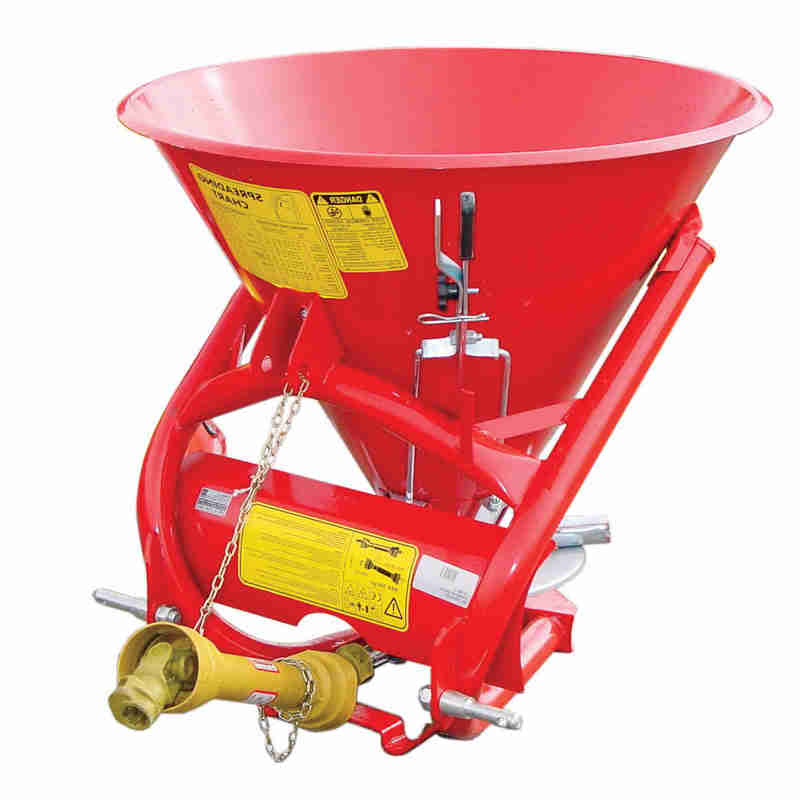
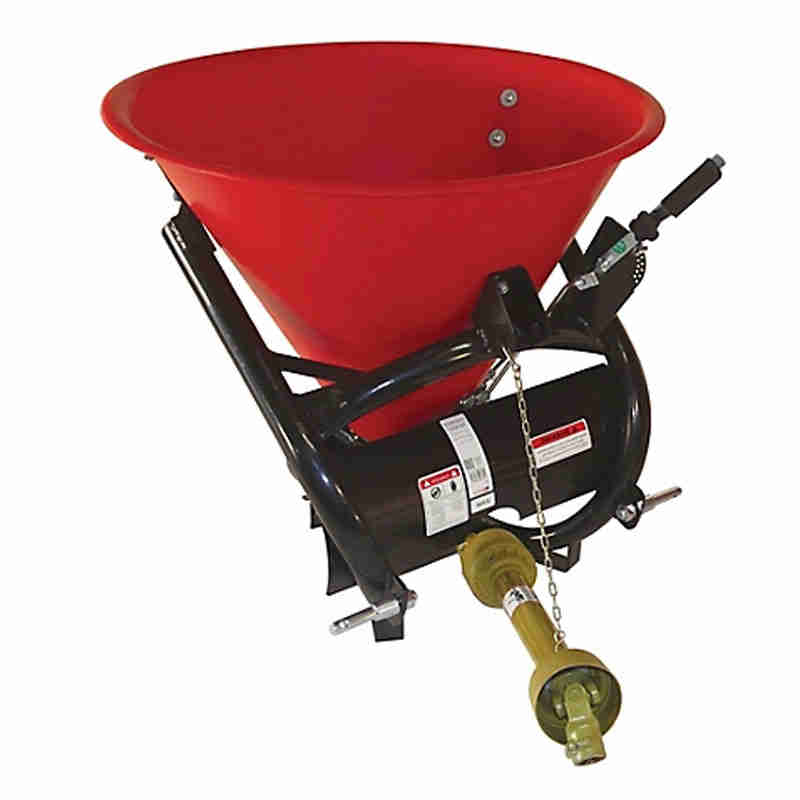
An efficient Fertilizer Spreader is a game-changer for anyone serious about lawn care, farming, or gardening. It ensures even distribution of fertilizers, seeds, and other granular materials, saving time and maximizing results. This guide provides an in-depth look at fertilizer spreaders, including key features, product specifications, and answers to common questions.
Key Features of Modern Fertilizer Spreaders
Modern fertilizer spreaders come equipped with features designed for precision and ease of use. Here are some of the most important ones:
- Adjustable Flow Rate: Control the amount of material released for different application needs.
- Durable Construction: Built with corrosion-resistant materials like polyethylene or powder-coated steel.
- Even Distribution: Spinning discs or oscillating mechanisms ensure uniform coverage.
- Easy Maneuverability: Ergonomically designed handles and wheels for smooth operation on various terrains.
- Capacity Options:
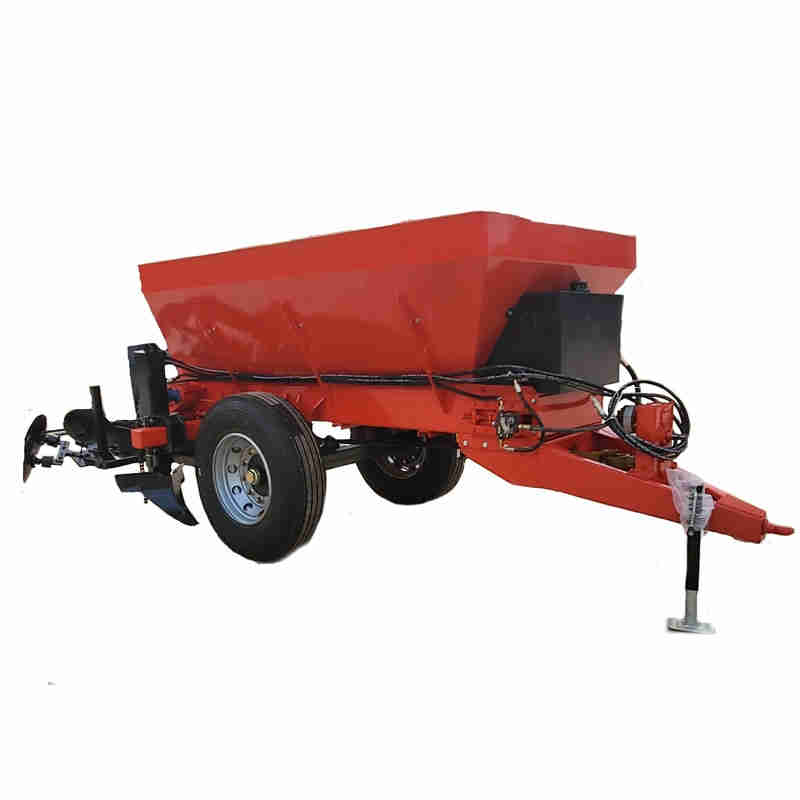
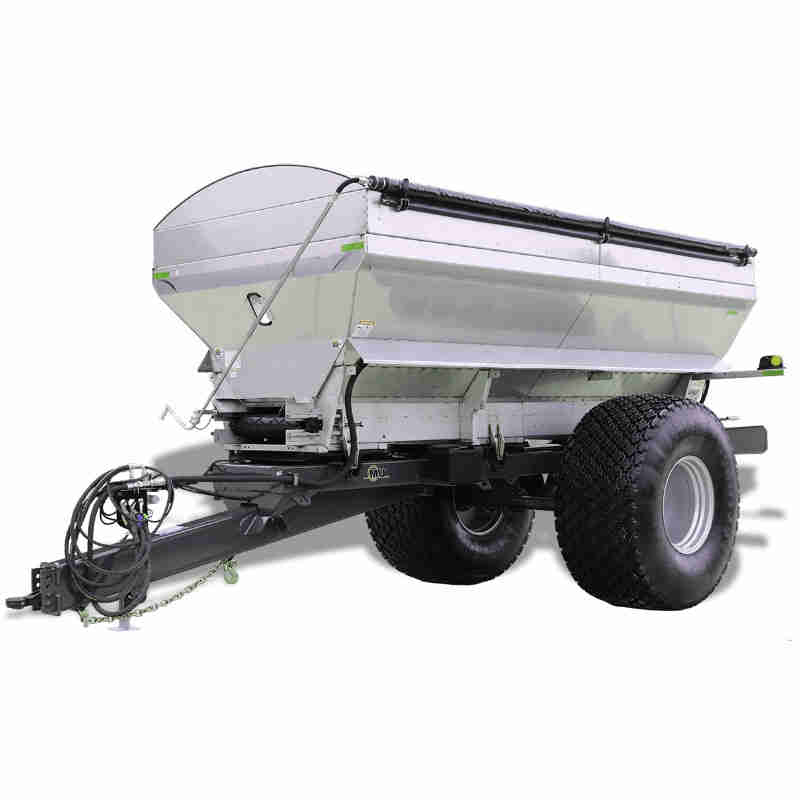
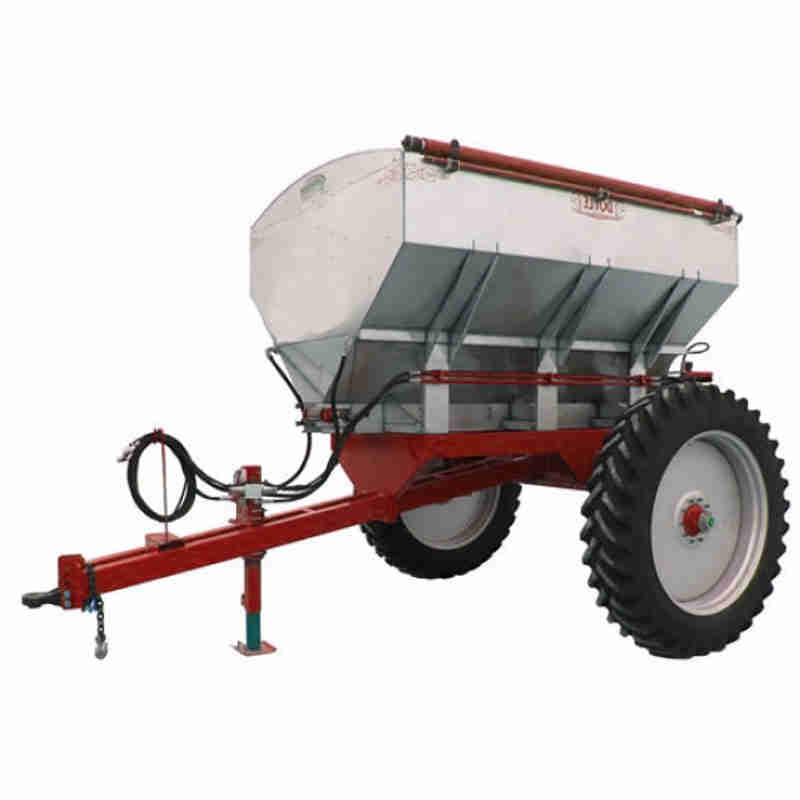
Available in small handheld models to large tow-behind units for different property sizes.
Detailed Product Parameters
Below is a table summarizing the specifications for our top-tier fertilizer spreader models. These parameters help you choose the right tool for your specific requirements.
| Model |
Type |
Hopper Capacity |
Coverage Width |
Weight |
Material |
| FS-200 |
Broadcast (Walk-Behind) |
50 lbs |
Up to 20 feet |
15 lbs |
Polyethylene |
| FS-350 |
Drop Spreader |
40 lbs |
4 feet |
18 lbs |
Powder-Coated Steel |
| FS-500T |
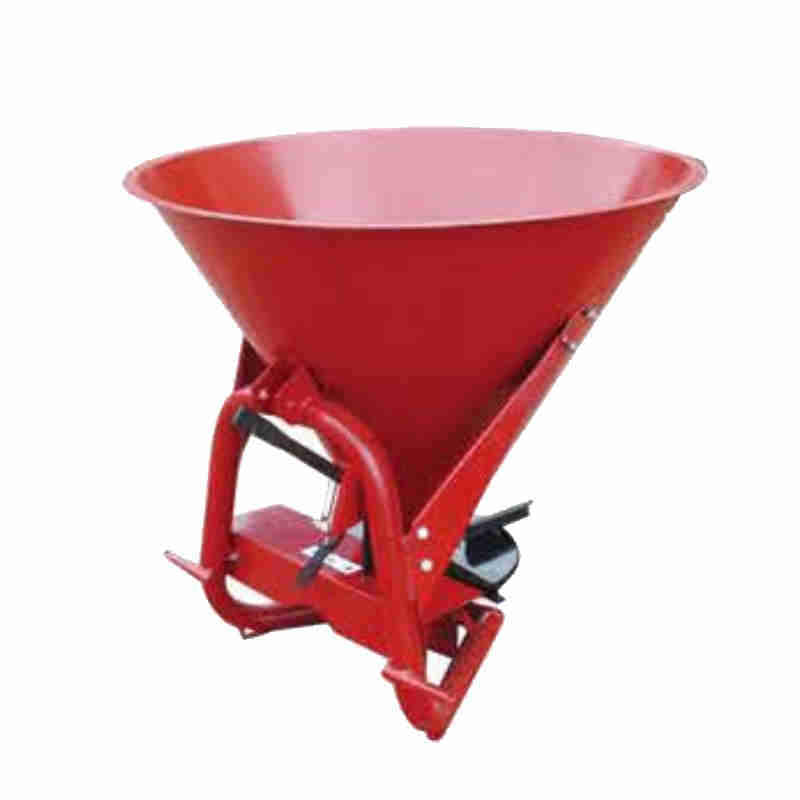
Tow-Behind |
250 lbs |
Up to 30 feet |
80 lbs |
Galvanized Steel |
| FS-100H |
Handheld |
10 lbs |
Up to 10 feet |
3 lbs |
Plastic Composite |
Fertilizer Spreader FAQs
What is the difference between a broadcast spreader and a drop spreader?
Broadcast spreaders use a spinning disc to fling material in a wide arc, covering large areas quickly but with less precision near edges. Drop spreaders release material directly downward between two wheels, offering precise control but requiring more passes for large lawns.
How do I calibrate my fertilizer spreader for accurate application?
To calibrate, start by setting the spreader to a medium setting. Measure a specific area, such as 1000 square feet, and weigh the amount of product needed based on the bag's instructions. Fill the hopper, spread over the measured area, and adjust the setting if too much or too little is used. Repeat until the application rate matches recommendations.
Can I use a fertilizer spreader for seeds or ice melt?
Yes, most fertilizer spreaders are versatile and can handle grass seeds, weed control products, and ice melt. However, always check the manufacturer's guidelines to ensure compatibility, as some materials may require specific settings or spreader types to avoid damage or clogging.
What maintenance does a fertilizer spreader require?
After each use, empty the hopper completely and brush out any residue. Wash the spreader with water to remove corrosive materials like fertilizers or salts. Lubricate moving parts periodically, and store in a dry place to prevent rust and extend lifespan.
How do I choose the right size spreader for my lawn?
Consider your property size: handheld spreaders work for small gardens (under 5000 sq ft), walk-behind models suit medium lawns (5000-20000 sq ft), and tow-behind spreaders are ideal for large areas (over 20000 sq ft). Also, factor in storage space and ease of handling.
Why is my spreader not distributing evenly?
Uneven distribution can result from a clogged hopper or spinner, incorrect calibration, worn parts, or uneven walking speed. Clean the spreader thoroughly, check for obstructions, recalibrate, and maintain a steady pace during application to ensure consistency.