Understanding Light Trailer Axles
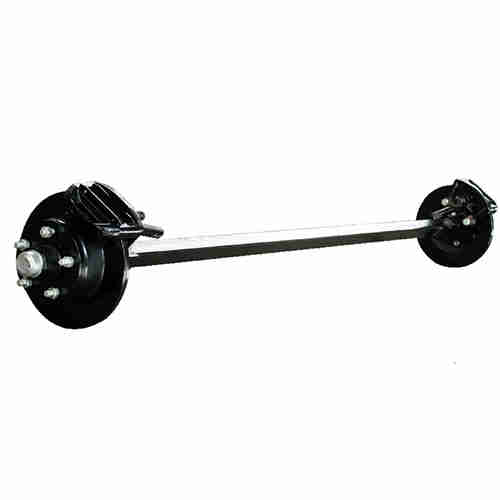
Light trailer axles are crucial components designed for trailers with lower weight capacities, typically used in utility, boat, ATV, and small cargo applications. These axles offer durability, efficiency, and ease of maintenance, making them ideal for various towing needs. In this comprehensive guide, we delve into the specifications, benefits, and common queries surrounding light trailer axles to help you make informed decisions.
Key Parameters of Light Trailer Axles
Our light trailer axles are engineered with precision to meet industry standards. Below is a detailed list of parameters that define their performance and suitability.
- Weight Capacity: Ranges from 1,000 lbs to 7,000 lbs per axle, accommodating different trailer sizes.
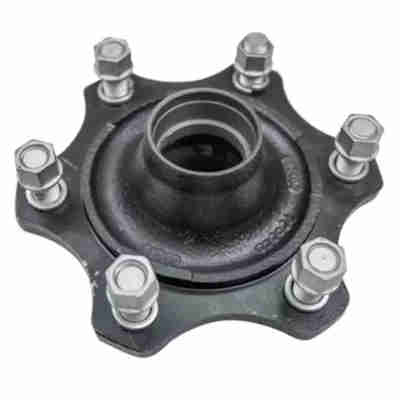
- Spindle Type: Available in various spindle configurations such as 5-lug, 6-lug, or 8-lug patterns for compatibility with different wheels.
- Axle Tube Diameter: Typically between 2 inches to 3.5 inches, providing strength while minimizing weight.
- Hub Face Measurement: Standard measurements like 54.5 inches or custom sizes to fit specific trailer frames.
- Brake Options: Electric brakes, surge brakes, or no brakes, depending on the application and legal requirements.
- Material: Constructed from high-strength steel or aluminum for corrosion resistance and longevity.
- Finish: Options include powder coating, galvanization, or paint for enhanced durability against environmental elements.
Detailed Specifications Table
| Parameter |
Specification Range |
Common Applications |
| Weight Capacity (lbs) |
1,000 - 7,000 |
Utility trailers, small boats |
| Axle Length (inches) |
60 - 120 |
ATV trailers, cargo carriers |
| Spindle Type |
5-lug, 6-lug, 8-lug |
Custom trailer builds |
| Brake Compatibility |
Electric, Surge, None |
Road-legal trailers, off-road use |
| Material |
Steel, Aluminum |
Marine environments, heavy-duty use |
Frequently Asked Questions (FAQ)
What is the typical weight capacity for a light trailer axle?
Light trailer axles generally support weights between 1,000 and 7,000 pounds per axle, but it's essential to check the specific rating based on your trailer's design and load requirements to ensure safety and compliance.
How do I choose the right spindle type for my light trailer axle?
Select the spindle type based on your wheel bolt pattern; common options include 5-lug for lighter loads, 6-lug for medium duties, and 8-lug for heavier applications. Always match it with your trailer's hub and wheel specifications.
Are brakes necessary for light trailer axles?
Brakes are not always mandatory but are highly recommended for trailers exceeding certain weight limits (e.g., over 1,500 lbs in many regions). Electric brakes offer better control, while surge brakes are self-contained and ideal for boat trailers.
What maintenance is required for light trailer axles?
Regular maintenance includes greasing the bearings, inspecting for corrosion or damage, and checking brake systems if equipped. For axles in harsh environments, consider galvanized or powder-coated options to reduce upkeep.
Can I customize the length of a light trailer axle?
Yes, many manufacturers offer custom axle lengths to fit unique trailer frames. Measure the hub face distance accurately and consult with suppliers to ensure proper fitment and alignment.
What materials are best for light trailer axles in corrosive environments?
For areas with saltwater or high moisture, aluminum axles or steel axles with galvanized or powder-coated finishes are preferable due to their resistance to rust and corrosion.
How do I determine the correct weight rating for my trailer?
Calculate the total weight of your loaded trailer, including cargo, and choose an axle with a capacity that exceeds this weight by a safety margin (typically 10-20%). Always adhere to local regulations for towing limits.
Are there legal requirements for light trailer axles?
Yes, regulations vary by region but often include requirements for brakes, lighting, and weight distribution. Consult your local Department of Transportation or similar authority to ensure compliance.
What is the difference between a straight axle and a drop axle?
A straight axle has a level tube, while a drop axle has a bent design to lower the trailer's center of gravity. Drop axles are ideal for trailers needing extra ground clearance or a lower profile.
How often should I replace my light trailer axle?
Replace the axle if you notice signs of wear such as bending, cracking, or severe corrosion. With proper maintenance, a quality light trailer axle can last many years, but inspect it annually or after heavy use.