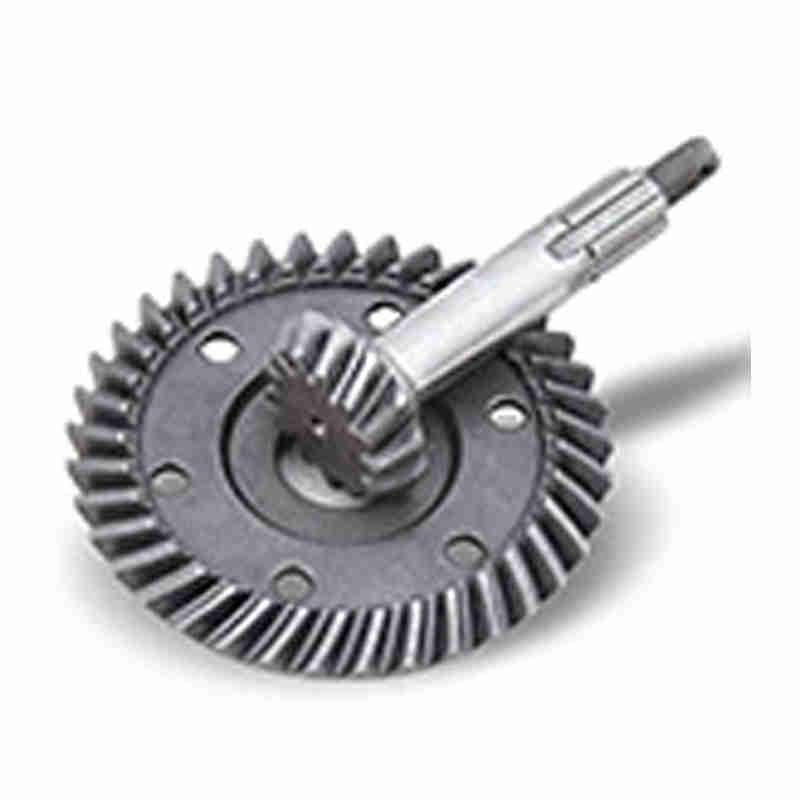
Understanding Bevel Gears: A Comprehensive Guide
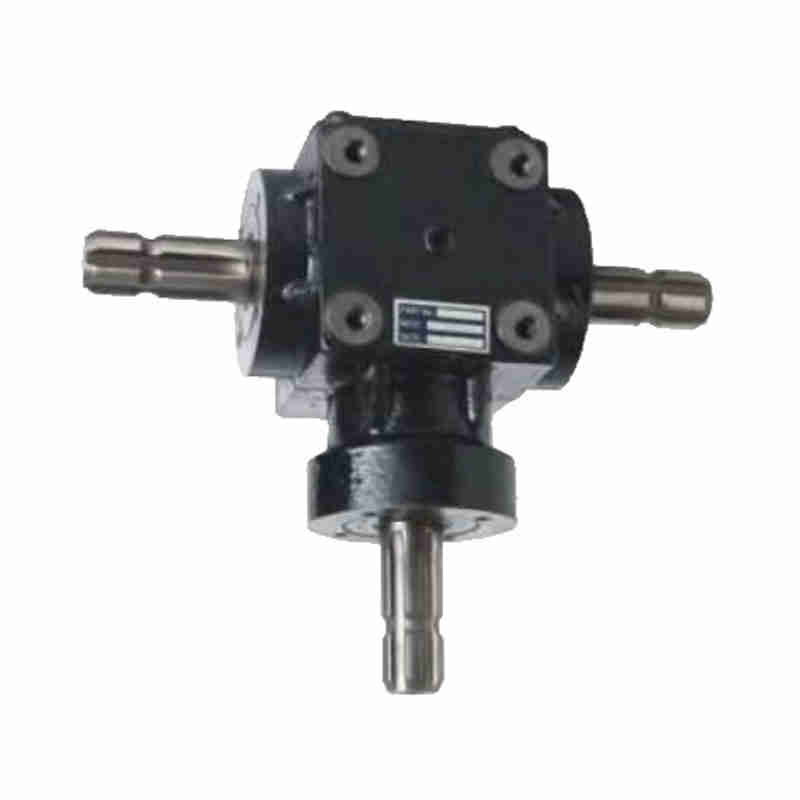
Bevel gears are a type of gear system where the axes of the two shafts intersect, and the tooth-bearing faces of the gears themselves are conically shaped. These gears are primarily used to transmit power between intersecting shafts, typically at a 90-degree angle, though other angles are possible. They are essential components in various mechanical applications, from automotive differentials to industrial machinery, due to their efficiency in changing the direction of shaft rotation. The design and manufacturing precision of bevel gears directly impact their performance, durability, and noise levels during operation.
The history of bevel gears dates back to ancient mechanisms, but modern advancements have refined their production using CNC machining and computer-aided design (CAD). This has enabled higher precision, smoother operation, and customization for specific needs. When selecting a bevel gear, factors such as gear ratio, material, tooth design, and load capacity must be considered to ensure optimal performance in the intended application.
Key Product Parameters of Bevel Gears
Below is a detailed list of critical parameters that define bevel gears, essential for engineers and procurement specialists:
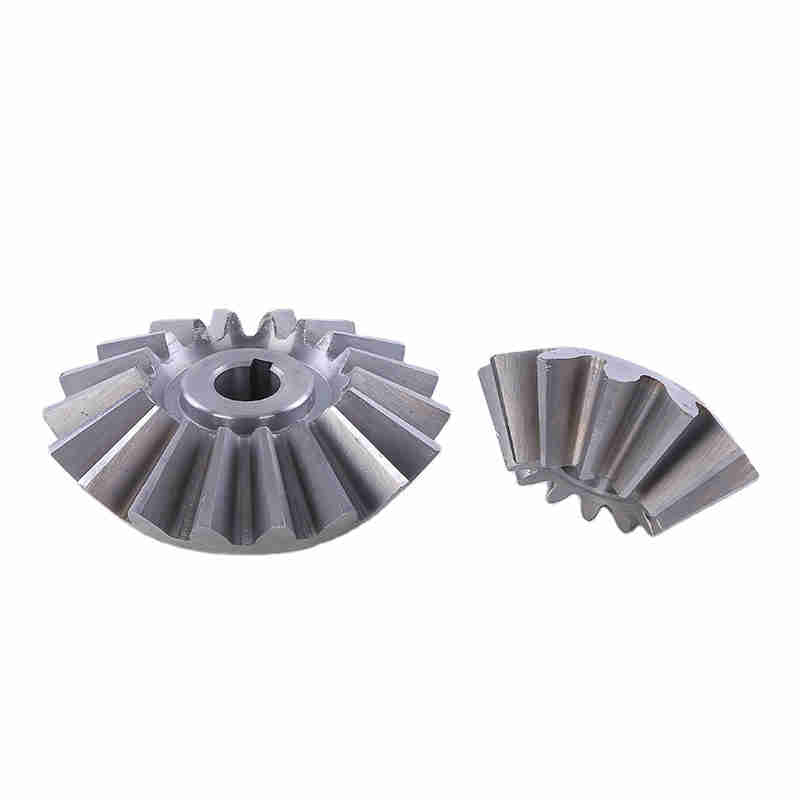
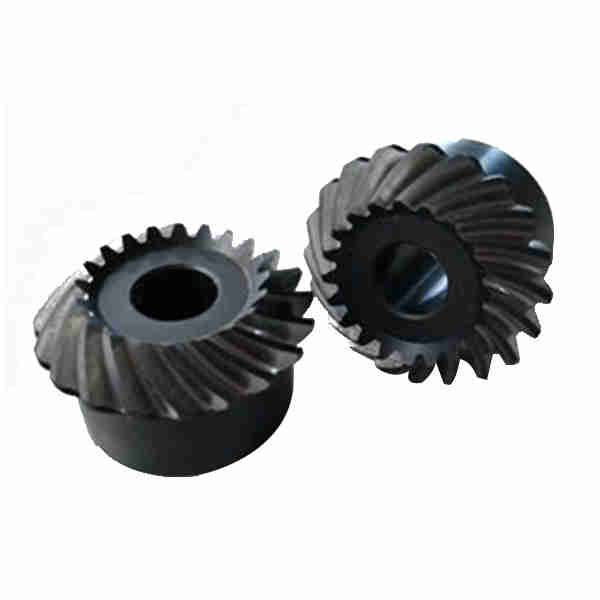
- Gear Type: Straight bevel gears, spiral bevel gears, zerol bevel gears, and hypoid bevel gears, each with unique characteristics for different applications.
- Material: Common materials include carbon steel, alloy steel, stainless steel, cast iron, and non-metallic options like plastic for lightweight uses.
- Module or Diametral Pitch: Defines the tooth size; module is used in metric systems (e.g., 2 mm), while diametral pitch is imperial (e.g., 10 DP).
- Number of Teeth: Ranges from as low as 5 teeth to over 100, affecting gear ratio and torque transmission.
- Pressure Angle: Typically 20 degrees or 14.5 degrees, influencing tooth strength and smoothness of engagement.
- Shaft Angle: Usually 90 degrees, but can be customized to other angles like 45 degrees or 120 degrees.
- Face Width: The width of the gear tooth along the cone distance, affecting load capacity and durability.
- Hardness and Heat Treatment: Processes like carburizing or induction hardening improve wear resistance and lifespan.
- Accuracy Grade: Classified per AGMA or ISO standards (e.g., AGMA Q10 for high precision), impacting noise and efficiency.
- Mounting Style: Options include bored or bushed bores, keyways, or splined shafts for secure installation.
Detailed Specifications Table
This table provides a comparative overview of common bevel gear types and their specifications:
| Parameter |
Straight Bevel Gear |
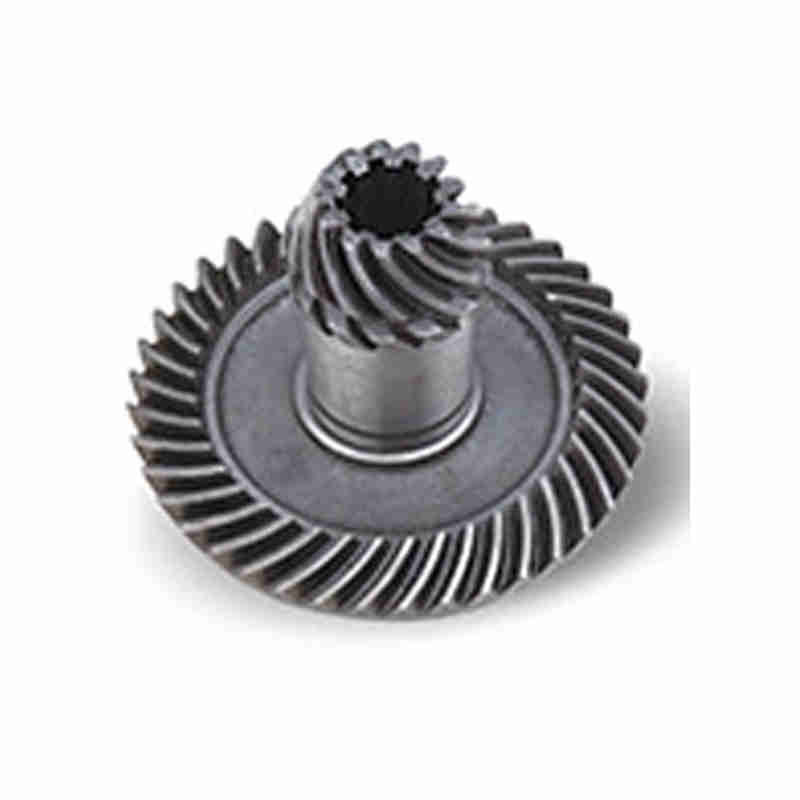
Spiral Bevel Gear |
Zerol Bevel Gear |
Hypoid Bevel Gear |
| Gear Type |
Straight teeth, conical pitch surface |
Curved teeth, gradual engagement |
Similar to spiral but with zero spiral angle |
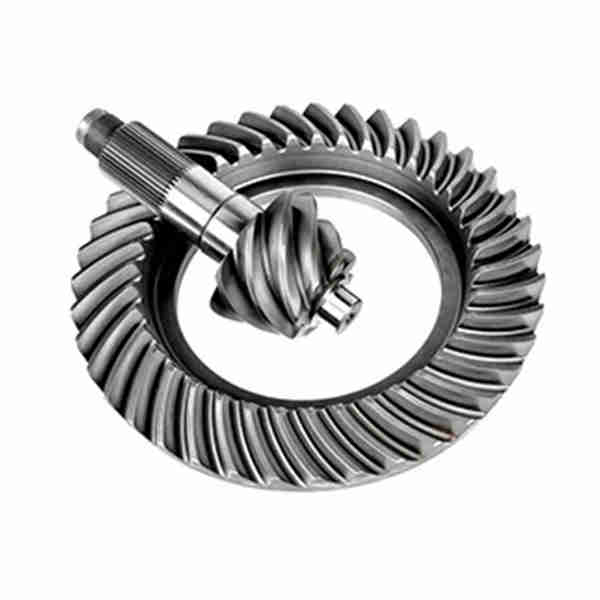
Offset axes, curved teeth |
| Typical Shaft Angle |
90 degrees |
90 degrees |
90 degrees |
90 degrees (offset) |
| Efficiency |
Moderate (95-98%) |
High (98-99%) |
High (98-99%) |
High (95-98%) |
| Noise Level |
Higher due to sudden tooth contact |
Lower, smoother operation |
Lower, similar to spiral |
Low, but requires precise lubrication |
| Load Capacity |
Moderate, suitable for low to medium loads |
High, ideal for heavy loads |
High, good for variable loads |
Very high, used in automotive differentials |
| Common Applications |
Simple mechanisms, low-speed devices |
Automotive, aerospace, high-speed machinery |
Industrial machinery, where quiet operation is needed |
Vehicle differentials, power transmission systems |
| Cost Factor |
Lower cost, easier manufacturing |
Higher cost due to complex design |
Moderate to high cost |
Highest cost, specialized production |
FAQs About Bevel Gears
What is a bevel gear and how does it work?
A bevel gear is a toothed mechanical component designed to transmit motion between intersecting shafts. It works by meshing the teeth of two gears mounted on shafts that meet at an angle, typically 90 degrees. The conical shape of the gears allows for efficient transfer of rotational force, changing the direction of rotation without significant power loss. The teeth engage progressively, ensuring smooth operation depending on the gear type (e.g., straight or spiral).
What are the main types of bevel gears?
The primary types include straight bevel gears, which have straight teeth and are simple to manufacture; spiral bevel gears, with curved teeth for smoother and quieter operation; zerol bevel gears, a subtype of spiral gears with a zero spiral angle; and hypoid bevel gears, which have offset axes for higher load capacity and are common in automotive applications. Each type suits specific needs based on load, speed, and noise requirements.
How do I choose the right material for a bevel gear?
Material selection depends on the application's demands. For high-strength and durability, alloy steels like AISI 4140 or 4340 are common, often with heat treatment. Stainless steel is used for corrosion resistance in harsh environments. Cast iron offers good wear resistance at lower costs, while non-metallic materials like nylon or polycarbonate are chosen for lightweight, low-noise applications. Consider factors like load, speed, environment (e.g., moisture, temperature), and maintenance needs when selecting the material.
What is the typical lifespan of a bevel gear?
The lifespan varies widely based on usage, material, and maintenance. Under normal conditions with proper lubrication, bevel gears made from hardened steel can last over 10,000 hours of operation. Factors such as overload, misalignment, poor lubrication, or abrasive environments can reduce lifespan. Regular inspection, including checking for wear, noise, and vibration, can help extend durability. Implementing predictive maintenance schedules is recommended for critical applications.
How important is lubrication for bevel gears?
Lubrication is crucial for reducing friction, wear, and heat generation in bevel gears. It helps prevent tooth damage, pitting, and failure. The type of lubricant (e.g., oil or grease) depends on the gear speed, load, and operating temperature. For high-speed applications, oils with extreme pressure (EP) additives are often used. Insufficient lubrication can lead to increased noise, efficiency loss, and premature failure. Follow manufacturer guidelines for lubrication intervals and types to ensure optimal performance.
Can bevel gears be customized for specific applications?
Yes, bevel gears can be highly customized. Parameters such as gear ratio, number of teeth, shaft angle, material, and tooth profile can be tailored to meet specific requirements. Customization is common in industries like automotive, aerospace, and robotics, where precise motion control is needed. Working with a manufacturer that offers CAD design and prototyping ensures that the gears meet exact specifications, including tolerances and performance criteria.
What are common failure modes in bevel gears?
Common failure modes include wear due to friction, pitting from surface fatigue, scoring from inadequate lubrication, tooth breakage from overload, and misalignment issues. Environmental factors like corrosion or contamination can also contribute to failure. Regular maintenance, proper installation, and using gears within their rated capacity can mitigate these risks. Non-destructive testing methods, such as vibration analysis, can help detect early signs of failure.
How do I calculate the gear ratio for bevel gears?
The gear ratio is calculated as the ratio of the number of teeth on the driven gear to the number of teeth on the driving gear. For example, if a driving gear has 20 teeth and the driven gear has 40 teeth, the gear ratio is 40:20 or 2:1, meaning the driven gear rotates half as fast but with twice the torque. This ratio determines the speed and torque transmission between shafts, essential for designing efficient systems.
Are bevel gears suitable for high-speed applications?
Yes, particularly spiral bevel gears are well-suited for high-speed applications due to their curved teeth, which allow gradual engagement and reduce noise and vibration. They are commonly used in automotive transmissions, aircraft engines, and industrial machinery where speeds exceed 1000 RPM. However, proper balancing, precision manufacturing, and adequate lubrication are critical to prevent issues like overheating or failure at high speeds.
What maintenance practices are recommended for bevel gears?
Recommended practices include regular lubrication according to specifications, inspection for wear or damage (e.g., using borescopes or vibration monitors), checking alignment and backlash, and cleaning to remove debris. For heavy-duty applications, schedule periodic overhauls to replace worn parts. Keeping operational records and following manufacturer maintenance guidelines can significantly extend the life of bevel gears and prevent unexpected downtime.