When it comes to transporting heavy loads, equipment, or recreational vehicles, a high-quality trailer is an indispensable tool for both personal and commercial use. At our company, we pride ourselves on designing and manufacturing trailers that combine durability, functionality, and innovation. Whether you're hauling construction materials, moving livestock, or towing a boat for a weekend getaway, our trailers are built to handle the toughest conditions while ensuring safety and reliability on the road.
Our product lineup includes a variety of trailers tailored to meet diverse needs. Below, we detail the key specifications and features of our standard models to help you make an informed decision.
Product Specifications
Our trailers are engineered with precision, using top-grade materials and advanced manufacturing techniques. Here are the detailed parameters for our most popular models:
- Model A: Utility Trailer
- Deck Size: 6 ft x 12 ft
- Payload Capacity: 3,500 lbs
- Gross Vehicle Weight Rating (GVWR): 5,000 lbs
- Frame Material: Powder-coated steel
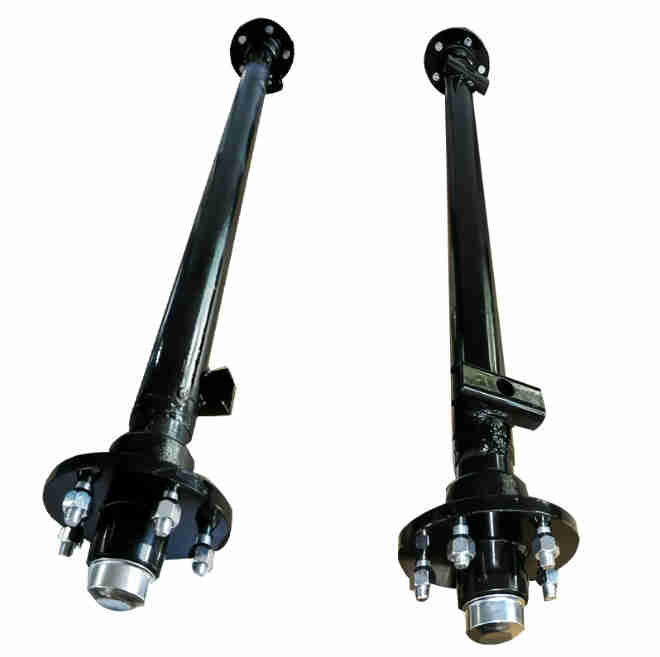
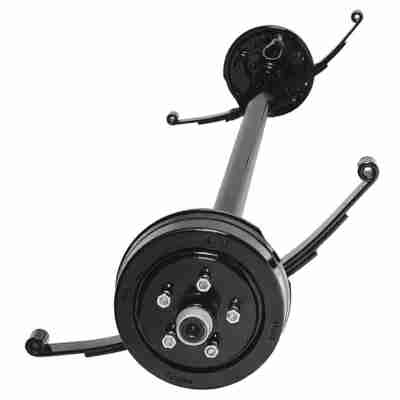
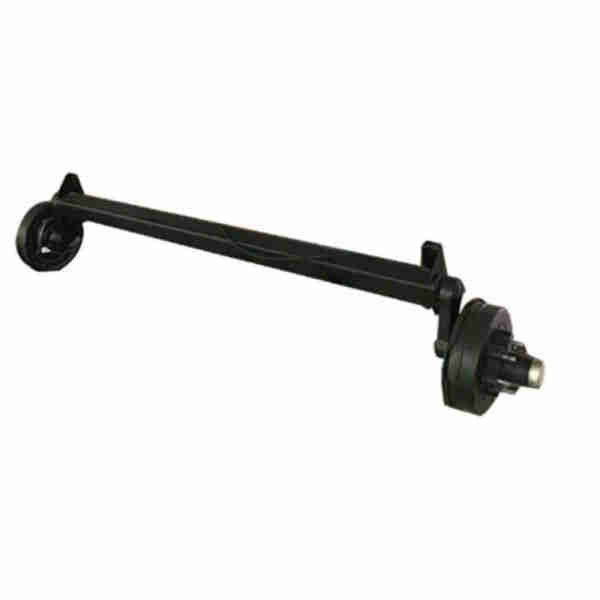
- Axles: Torsion axles with electric brakes
- Decking: Pressure-treated wood or diamond plate aluminum
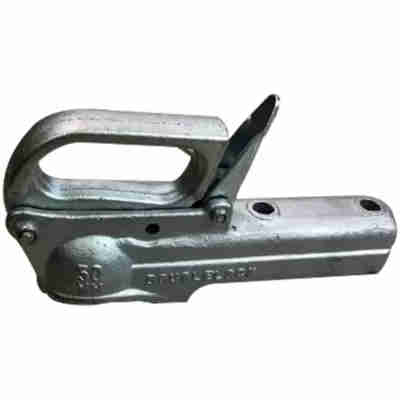
- Coupler: 2-inch ball coupler
- Lighting: LED lights for enhanced visibility
- Wheels: 15-inch steel wheels with radial tires
- Model B: Enclosed Cargo Trailer
- Interior Dimensions: 8 ft x 16 ft x 6.5 ft
- Payload Capacity: 5,000 lbs
- GVWR: 7,000 lbs
- Construction: Aluminum frame with fiberglass sides
- Roof: One-piece seamless design for weather resistance
- Doors: Rear ramp door and side entry door
- Flooring: 3/4-inch plywood with vinyl coating
- Axles: Dual axle with electric brakes on all wheels
- Lighting: Interior LED lights and exterior brake lights
- Model C: Equipment Trailer
- Deck Size: 8.5 ft x 20 ft
- Payload Capacity: 10,000 lbs
- GVWR: 14,000 lbs
- Frame: High-tensile steel with reinforced crossmembers
- Decking: Steel mesh or wood options
- Axles: Triple axle with hydraulic brakes
- Coupler: Gooseneck or fifth-wheel hitch compatible
- Loading: Beauload ramp or tilt functionality
- Tires: 16-inch load-range E tires
For a quick comparison, refer to the table below:
| Model |
Deck Size |
Payload Capacity (lbs) |
GVWR (lbs) |
Axle Type |
Key Features |
| Utility Trailer (A) |
6x12 ft |
3,500 |
5,000 |
Torsion |
LED lighting, wood/aluminum deck |
| Enclosed Cargo (B) |
8x16x6.5 ft |
5,000 |
7,000 |
Dual |
Weather-resistant, interior lights |
| Equipment Trailer (C) |
8.5x20 ft |
10,000 |
14,000 |
Triple |
Gooseneck hitch, hydraulic brakes |
Frequently Asked Questions (FAQ)
We understand that choosing the right trailer can raise questions. Here are some common queries answered in detail:
What is the difference between a bumper pull and a gooseneck trailer?
A bumper pull trailer attaches to a standard hitch receiver at the rear of the towing vehicle, making it suitable for lighter loads and easier maneuverability. In contrast, a gooseneck trailer connects to a hitch in the bed of a pickup truck, offering greater stability and higher towing capacity, often used for heavy equipment or large livestock.
How often should I maintain my trailer's brakes and bearings?
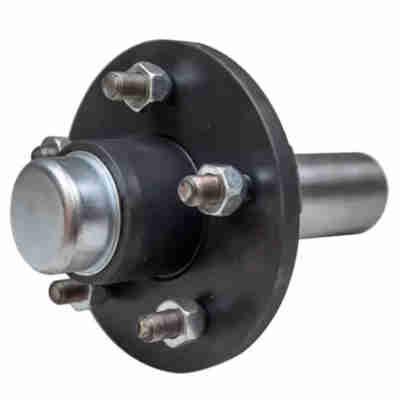
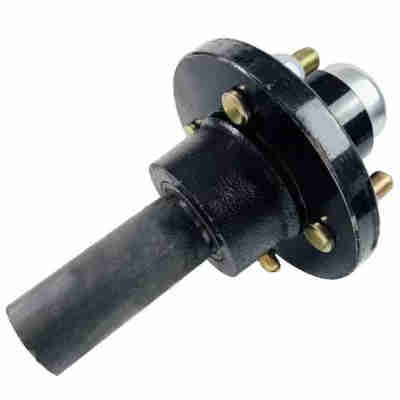
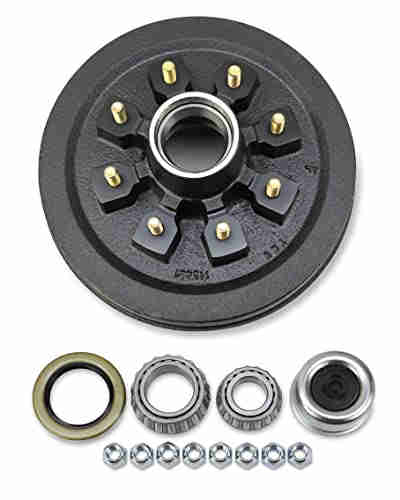
Regular maintenance is crucial for safety. Brakes should be inspected every 3,000 miles or annually, whichever comes first, and bearings should be repacked with grease every 12 months or 10,000 miles to prevent wear and ensure smooth operation.
Can I customize a trailer to fit specific needs?
Yes, we offer customization options such as additional tie-down points, upgraded flooring materials, extra lighting, or custom paint jobs. Contact our sales team to discuss your requirements and get a tailored solution.
What type of trailer is best for hauling motorcycles?
For motorcycles, an enclosed cargo trailer provides protection from weather and theft, while an open utility trailer with chocks or a dedicated motorcycle trailer offers affordability and ease of loading. Consider factors like distance and security when choosing.
Are electric brakes necessary for all trailers?
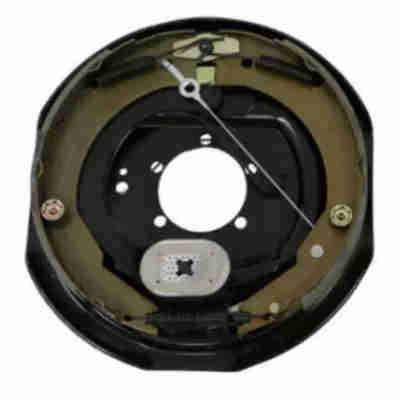
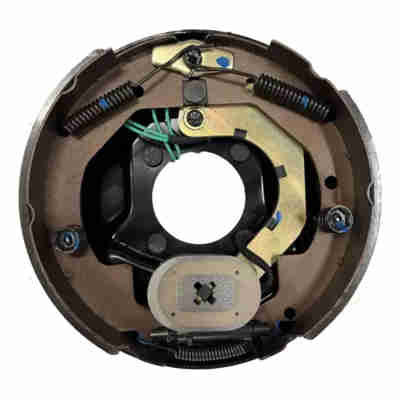
Electric brakes are recommended for trailers with a GVWR over 3,000 lbs, as they provide better stopping power and control, especially on downhill slopes or during emergency stops. They are required by law in many regions for heavier trailers.
How do I determine the right trailer size for my load?
Calculate the total weight and dimensions of your load, including any equipment or cargo. Ensure the trailer's payload capacity exceeds this weight, and consider the deck size for proper fit. Always account for tongue weight and distribution for safe towing.
What materials are used in your trailer frames, and why?
We use high-tensile steel or aluminum for frames, depending on the model. Steel offers superior strength for heavy-duty applications, while aluminum is lighter and corrosion-resistant, ideal for enclosed trailers or frequent use in humid climates.
Do you offer warranties on your trailers?
Yes, all our trailers come with a limited warranty that covers defects in materials and workmanship for 3 years from the date of purchase. Specific terms vary by model, so review the warranty document provided at purchase.
How should I store my trailer when not in use?
Store the trailer on a flat, dry surface, preferably under cover to protect it from weather elements. Inflate tires to the recommended pressure, engage the parking brake, and consider using wheel chocks. For long-term storage, lubricate moving parts and disconnect the battery if equipped with electric components.
What is the average lifespan of a well-maintained trailer?
With proper maintenance, including regular cleaning, lubrication, and inspections, our trailers can last 10-15 years or more. Factors like usage frequency, load intensity, and environmental conditions can affect longevity.