Understanding the Role of a Coupling in Mechanical Systems
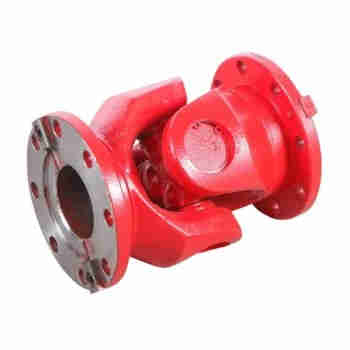
A coupling is a critical mechanical device used to connect two shafts together at their ends for the purpose of transmitting power. Couplings are essential in various industries, including automotive, manufacturing, aerospace, and robotics, ensuring smooth and efficient operation of machinery. They accommodate misalignment, reduce shock loads, and protect equipment from overloads. With advancements in technology, modern couplings are designed to meet stringent performance requirements, offering durability, precision, and reliability in diverse applications.
Key Product Parameters and Specifications
Our couplings are engineered with high-quality materials and innovative designs to deliver superior performance. Below is a detailed breakdown of the key parameters:
Material Composition
- Body Material: High-grade stainless steel or aluminum alloy for corrosion resistance and strength.
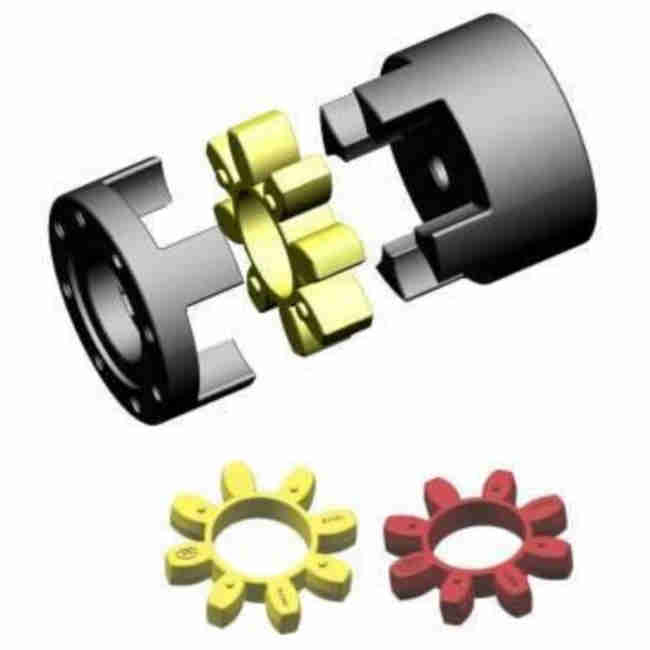
- Insert Elements: Flexible polyurethane or elastomer compounds to absorb vibrations and shocks.
- Fasteners: Grade 8.8 or higher steel bolts with zinc plating for enhanced durability.
Technical Specifications
| Parameter |
Range/Value |
Unit |
| Torque Capacity |
5 to 5000 |
Nm |
| Maximum Speed |
Up to 10,000 |
RPM |
| Bore Diameter |
6 to 100 |
mm |
| Operating Temperature |
-40 to 120 |
°C |
| Backlash |
< 0.1 |
arcmin |
| Weight (depending on size) |
0.1 to 15 |
kg |
Types of Couplings Offered
- Rigid Couplings: For precise alignment with no flexibility, ideal for applications where shafts are perfectly aligned.
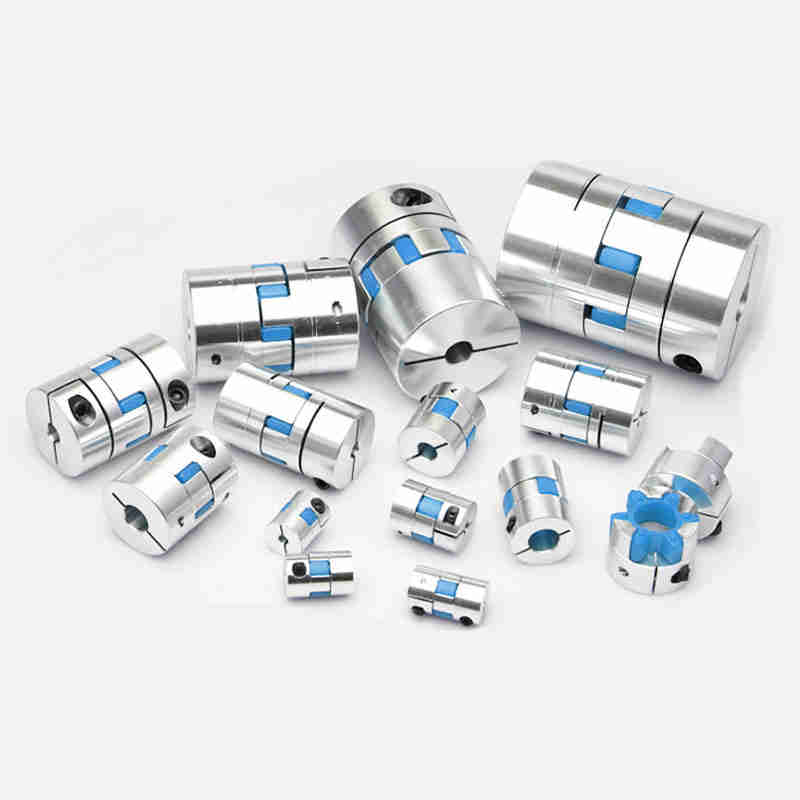
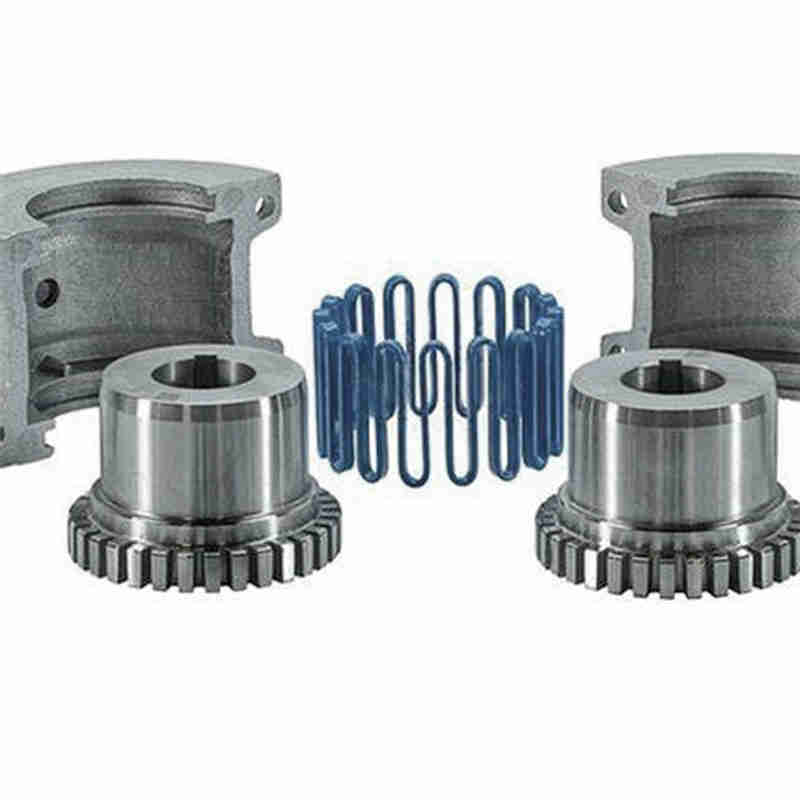
- Flexible Couplings: Compensate for misalignment and absorb shocks, including jaw, beam, and Oldham types.
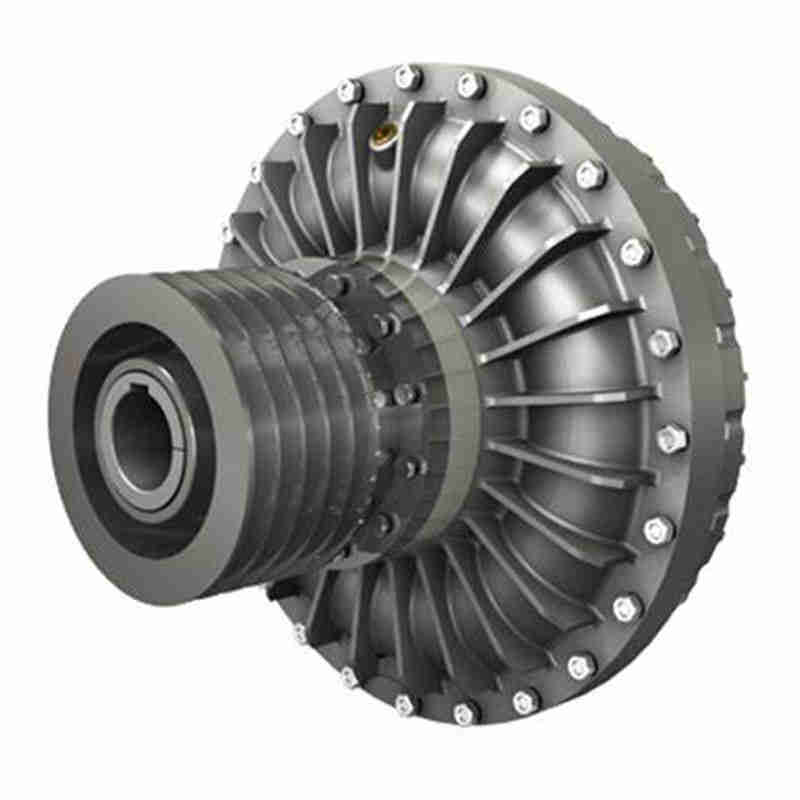
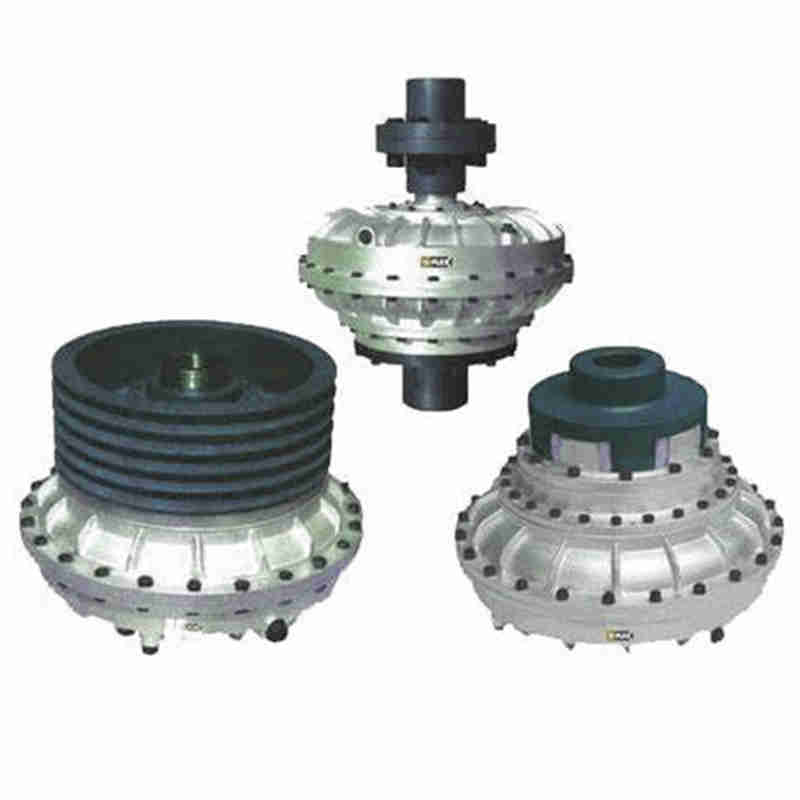
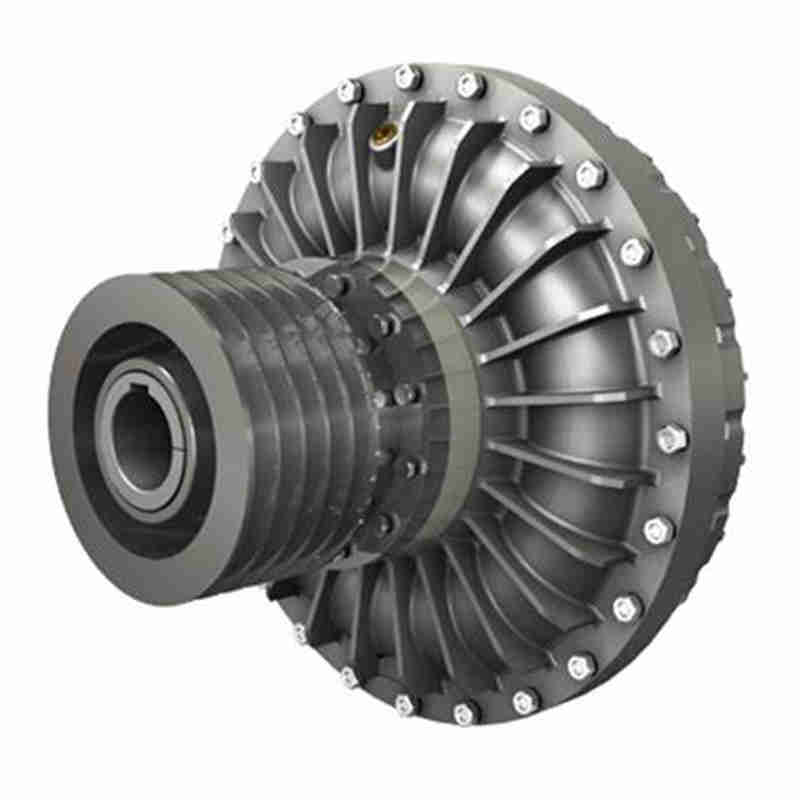
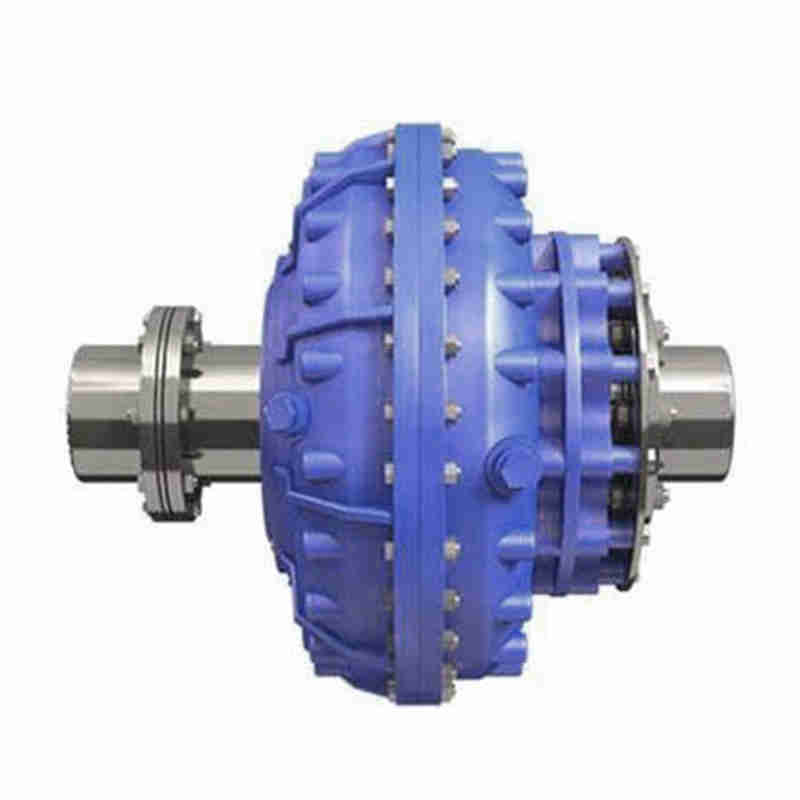
- Fluid Couplings: Use hydraulic fluid to transmit power, suitable for high-torque applications.
- Magnetic Couplings: Provide contactless torque transmission, excellent for sealed environments.
Applications and Industries
Couplings are versatile components used across multiple sectors. In the automotive industry, they connect drivetrain components in vehicles, enhancing performance and fuel efficiency. Manufacturing plants utilize couplings in conveyor systems and robotics for precise motion control. The aerospace sector relies on high-performance couplings for aircraft engines and control systems, where reliability is paramount. Additionally, renewable energy systems, such as wind turbines, employ durable couplings to handle variable loads and environmental conditions.
Installation and Maintenance Guidelines
Proper installation is crucial for optimal coupling performance. Ensure shafts are clean and aligned within specified tolerances. Use appropriate tools to tighten fasteners to the recommended torque values. Regular maintenance includes inspecting for wear, misalignment, or corrosion, and lubricating moving parts if applicable. Replace coupling elements if signs of fatigue or damage are detected to prevent machinery failure.
FAQ: Common Questions About Couplings
What is the primary function of a coupling?
A coupling primarily connects two rotating shafts to transmit power while accommodating misalignment and reducing vibration.
How do I select the right coupling for my application?
Consider factors such as torque requirements, speed, misalignment tolerance, environmental conditions, and space constraints. Consult technical datasheets or an engineer for specific recommendations.
What are the signs of coupling failure?
Common signs include unusual noises, increased vibration, overheating, visible wear or cracks, and decreased performance in machinery.
Can couplings be used in high-temperature environments?
Yes, certain couplings are designed with heat-resistant materials, such as stainless steel or special polymers, to operate effectively in temperatures up to 120°C or higher.
What is backlash in a coupling, and why is it important?
Backlash refers to the slight movement or play between connected components. Low backlash is crucial in precision applications to maintain accuracy and prevent energy loss.
How often should couplings be inspected?
Inspect couplings during routine machinery maintenance, typically every 3 to 6 months, or more frequently in high-stress environments, to ensure longevity and safety.
Are there couplings suitable for corrosive environments?
Yes, couplings made from corrosion-resistant materials like stainless steel or with protective coatings are available for use in harsh conditions, such as marine or chemical industries.
What is the difference between a flexible and rigid coupling?
Flexible couplings allow for some degree of misalignment and absorb shocks, while rigid couplings require perfect alignment and provide a solid connection without flexibility.
Can I customize a coupling for specific needs?
Many manufacturers offer custom solutions, including tailored bore sizes, materials, and designs, to meet unique application requirements.
How does a magnetic coupling work?
Magnetic couplings use magnets to transmit torque without physical contact, making them ideal for applications requiring isolation, such as in pumps or mixers where leakage must be prevented.