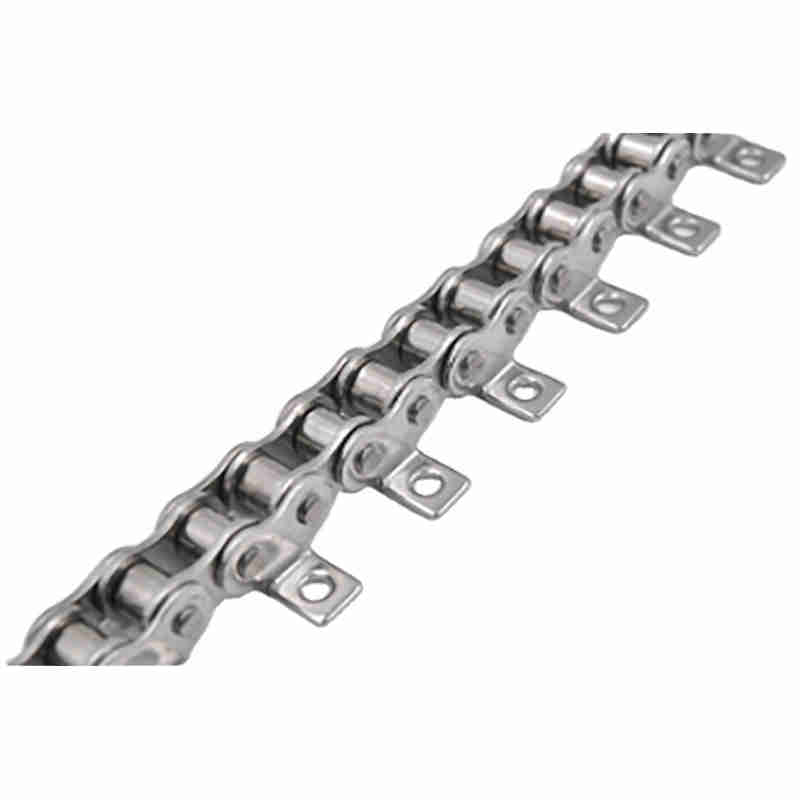
How has the use of Malleable Cast Iron Chains evolved with modern materials and manufacturing techniques? For decades, these rugged chains were the backbone of countless industries, from agriculture to heavy manufacturing. Their strength and durability were legendary. However, the modern industrial landscape demands more: greater efficiency, lighter weight, longer service life, and better resistance to extreme conditions. The evolution of malleable cast iron chains is a story of material science and precision engineering converging to meet these new challenges. Advanced alloys, sophisticated heat treatment processes like austempering, and computer-aided manufacturing have transformed the humble chain into a high-performance component. This journey from a robust, traditional workhorse to a technologically advanced solution is crucial for procurement specialists seeking to optimize their operations and reduce total cost of ownership. This article will explore this fascinating evolution and its practical implications for your supply chain decisions.
The Weight & Efficiency Paradox: Lifting Costs, Dragging Profits
Imagine overseeing a large-scale conveyor system in a distribution center. Every extra kilogram of chain weight translates directly into higher energy consumption for the drive motors. Traditional malleable iron chains, while strong, are dense. This inherent weight creates a constant drag on system efficiency, leading to inflated electricity bills and unnecessary wear on other components like sprockets and bearings. The procurement headache is real: choosing a chain based solely on upfront cost can lock you into years of hidden operational expenses.
The modern solution lies in advanced materials and design optimization. At Raydafon Technology Group Co.,Limited, we address this by engineering chains using high-grade, micro-alloyed malleable iron. This material allows for superior strength-to-weight ratios. Combined with precision casting and machining, we can create chain links with optimized geometries—maintaining or even increasing load capacity while reducing mass. This evolution directly tackles the efficiency paradox. Furthermore, our integration of modern manufacturing techniques, such as automated shot peening, enhances surface hardness and fatigue resistance, ensuring the chain performs reliably under continuous stress, ultimately lowering your total cost of ownership.
The Corrosion & Fatigue Battle: When Environments Fight Back
Procurement for a wastewater treatment plant or a marine logistics terminal presents a unique challenge. Here, chains are constantly exposed to moisture, chemicals, and saline atmospheres. Traditional malleable iron chains can suffer from surface corrosion, which not only degrades appearance but, more critically, acts as a nucleation site for cracks. This pitting corrosion drastically accelerates fatigue failure, leading to unplanned downtime, safety risks, and frequent replacement cycles. The scenario is a maintenance manager's nightmare: a critical chain snapping during a peak operational period because hidden corrosion weakened its core.
The evolution here is twofold: advanced coatings and superior metallurgy. Modern manufacturing techniques allow for the application of uniform, adherent coatings like zinc plating or specialized polymer layers that provide a robust barrier against corrosive agents. Raydafon Technology Group Co.,Limited leverages these techniques alongside precise process control in our foundry to ensure a consistently clean and dense casting structure, minimizing inherent defects that corrosion exploits. How has the use of malleable cast iron chains evolved with modern materials and manufacturing techniques? It's evident in our chains' ability to withstand harsh environments far longer, reducing replacement frequency and ensuring reliable operation in your most demanding applications.
Parameter
Traditional Chain
Raydafon Evolved Chain
Impact for You
Corrosion Protection
Plain or Painted
Hot-Dip Galvanized or Epoxy Coated
Extended service life in wet/chemical environments.
Fatigue Strength
Standard
Enhanced via Microstructure Control
Higher resistance to crack initiation and propagation.
Q: How has the use of malleable cast iron chains evolved with modern materials and manufacturing techniques?
A: The evolution is profound. Modern chains use refined, micro-alloyed iron compositions for better strength and toughness. Manufacturing advancements like automated molding, precise heat treatment (e.g., austempering), and post-process treatments like shot peening and advanced coatings have resulted in chains that are lighter, stronger, more wear-resistant, and better protected against corrosion than their predecessors. This translates to longer service life, higher efficiency, and lower total cost for operations.
Q: With new materials like high-strength steel polymers available, is malleable cast iron still relevant?
A: Absolutely. Malleable cast iron offers a unique combination of castability, machinability, good damping properties, and excellent wear resistance at a competitive cost. Modern evolution has addressed its historical weaknesses—weight and corrosion susceptibility—while amplifying its strengths. For applications requiring high durability under shock load and abrasive conditions, evolved malleable iron chains from innovators like Raydafon Technology Group Co.,Limited often provide the optimal balance of performance, reliability, and value.
Your Partner in Chain Evolution: Raydafon Technology
Staying ahead in today's competitive market means equipping your operations with components that deliver peak performance and reliability. The evolution of malleable cast iron chains is not just about the product; it's about partnering with a supplier who understands the engineering behind it. We invite you to share your specific application challenges in the comments below. What environmental or load-bearing issues are you facing with your current chains?
When your projects demand chains that embody this modern evolution, look to Raydafon Technology Group Co.,Limited. We synthesize decades of metallurgical expertise with cutting-edge manufacturing to provide solutions that directly tackle the efficiency, durability, and corrosion challenges discussed here. Visit our website at https://www.raydafon-motor.com to explore our product range or contact our engineering team directly at [email protected] for a tailored consultation.
Further Reading & Research
Davis, J.R., 2001, "Alloying: Understanding the Basics", ASM International.
Kobayashi, T., 1998, "Strength and Toughness of Austempered Ductile Iron", Journal of the Japan Foundry Engineering Society, Vol. 70, No. 4.
ASM International Handbook Committee, 1990, "ASM Handbook, Volume 1: Properties and Selection: Irons, Steels, and High-Performance Alloys", ASM International.
Dawson, S., 2005, "The Effect of Shot Peening on the Fatigue Life of Ductile Iron Components", Materials Science and Engineering: A, Vol. 399, Issues 1-2.
Elliot, R., 1988, "Cast Iron Technology", Butterworth-Heinemann.
We use cookies to offer you a better browsing experience, analyze site traffic and personalize content. By using this site, you agree to our use of cookies.
Privacy Policy