Every year, farm managers, fleet buyers, and equipment procurement officers type the same question into Google: Where can I buy used agricultural equipment? The search usually starts with clear goals—lower upfront costs, faster delivery, and field-proven performance. But within hours, it turns into a maze of auction deadlines, incomplete service records, and sellers who disappear after payment. A tractor may look straight and clean in online photos while hiding worn hydraulic seals, a slipping PTO clutch, or an engine that consumes oil after 50 working hours. If you buy the wrong machine, you are not just paying for repairs; you are losing planting days, harvest windows, and resale value. That is why experienced buyers do not rely on luck. They look for suppliers that inspect machines, document engine hours, verify transmission and hydraulic condition, and provide clear answers before money changes hands. Raydafon Technology Group Co., Limited has built a sourcing process around this exact problem. The company helps international buyers evaluate used farm machinery, check critical components, arrange cost-effective shipping, and reduce the risk of expensive surprises. In this guide, you will get a practical roadmap for buying used Agricultural Equipment with confidence—from first inspection to final delivery.
1. The Real Challenges Behind “Where Can I Buy Used Agricultural Equipment?”
Imagine you need a 100-horsepower tractor for a 400-acre operation before spring tillage. You search online and find three options: a local auction closing in 48 hours, a private seller with no maintenance log, and an export broker offering a machine at 20% below market price. Each option looks attractive until you ask basic questions. Does the hour meter match the actual use? Has the transmission been opened? Are the hydraulic filters clean? Most sellers cannot answer.
The pain is not finding a machine; it is verifying the machine. A study of used farm equipment transactions shows that undocumented repair history and hidden engine wear are the top causes of post-purchase loss. Buyers who skip inspection often spend 15–30% of the purchase price on unexpected repairs within the first season.
The solution is to change the sourcing process. Start with a defined list of requirements. Request service records, recent oil analysis, and photos of key wear areas. Work with a supplier that physically inspects equipment and provides a condition report before you commit. This approach turns a risky search into a repeatable procurement process.
2. How to Inspect Used Farm Machinery Before You Pay
When you ask “Where can I buy used agricultural equipment?” the better question is “How do I inspect it before payment?” A quick visual check is not enough. You need to look at the three areas that cause most downtime: engine condition, transmission response, and hydraulic integrity.
For the engine, check cold starting, exhaust color, blow-by, and oil pressure. For the transmission, test every gear under load and listen for abnormal noise. For the hydraulic system, operate the loader and three-point hitch through full cycles. Document the hour meter, but remember that hours alone do not tell the full story. Maintenance history matters more than low hours.
The table below gives a practical pre-purchase checklist used by many farm equipment buyers.
Pre-Purchase Inspection Checklist for Used Agricultural Equipment
Inspection Area
What to Check
Red Flags
Engine
Cold start, exhaust color, oil pressure, blow-by
Blue or black smoke, knocking, low oil pressure
Transmission
Gear engagement, clutch feel, shifting under load
Slipping, grinding, delayed engagement
Hydraulics
Lift capacity, leak points, hose condition
Drift under load, cracked hoses, contaminated fluid
Frame and Axles
Welds, alignment, tire wear
Fresh paint over cracks, uneven tire wear
Documentation
Service records, oil analysis, prior repairs
Missing logs, mismatched serial numbers
A documented checklist protects you from emotional buying. It also gives you leverage to negotiate a fair price or walk away.
3. Why Raydafon Technology Group Co., Limited Makes Sourcing Safer
Most buyers do not have time to visit every machine in person. This is where a specialized supplier helps. Raydafon Technology Group Co., Limited focuses on reducing uncertainty in used agricultural equipment transactions. Instead of simply listing machines, the team coordinates physical inspections, verifies engine and transmission condition, and collects documentation that international buyers can trust.
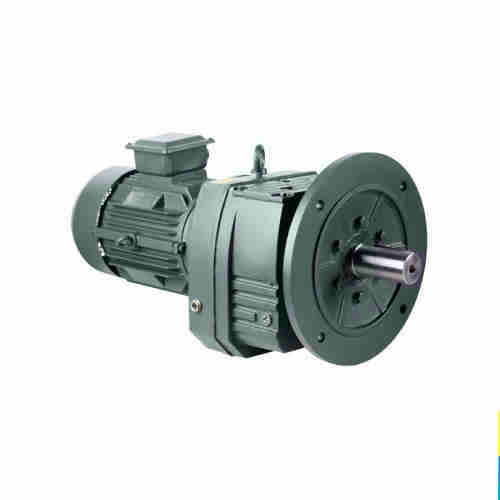
For example, if you are sourcing a used tractor with a replacement motor, Raydafon can check motor fitment, mounting, cooling performance, and warranty options. If you need a machine shipped to a port in Africa, Southeast Asia, or Latin America, the company can arrange container loading, export documentation, and freight estimates before you commit. This is especially valuable for buyers who want one accountable partner rather than five unverified sellers.
The result is a cleaner transaction. You know what you are buying, what has been inspected, and what paperwork will arrive with the machine. That removes the biggest fear behind the question “Where can I buy used agricultural equipment?” — paying for a hidden problem.
4. Specifications That Matter for Used Agricultural Equipment
Price is important, but specifications determine whether the equipment can handle your land, implement, and workload. Before you compare listings, create a specification sheet. Focus on horsepower, PTO output, hydraulic flow, tire condition, and hours since last major service.
For example, a utility tractor with 75 horsepower may be enough for mowing but underpowered for heavy tillage. A machine with high hydraulic flow can run modern planters and loaders more efficiently. Matching specifications to your operation prevents the most common buyer mistake: buying too small to save money, then paying twice when you upgrade.
The table below shows typical specification ranges for small, mid-size, and large used agricultural tractors.
Typical Specification Ranges for Used Farm Tractors
Tractor Class
Horsepower Range
PTO Output
Hydraulic Flow
Common Use
Compact
25–45 HP
20–35 HP
8–12 GPM
Mowing, light loader work
Utility
50–100 HP
40–85 HP
12–20 GPM
Hay, planting, material handling
Row Crop
110–250 HP
90–210 HP
20–35 GPM
Tillage, large planters, harvest support
Articulated 4WD
300–600 HP
250–500 HP
30–60 GPM
Heavy tillage, broad-acre farming
Always request the serial number and compare it with seller documentation. A serial number check can reveal whether the machine has been rebuilt, imported, or reported as stolen in some markets.
5. Frequently Asked Questions
Where can I buy used agricultural equipment without hidden repair costs?
You can reduce hidden repair costs by buying from a supplier that offers pre-sale inspection reports, maintenance history, and clear condition documentation. Avoid sellers who pressure you with short auction deadlines. Raydafon Technology Group Co., Limited helps buyers verify engine hours, transmission condition, hydraulic performance, and available parts before payment, so you are less likely to face immediate repair bills.
Where can I buy used agricultural equipment if I need export support or replacement engines?
Look for a supplier with export experience and access to replacement components. International purchases often require container loading, bill of lading preparation, and customs documentation. Raydafon Technology Group Co., Limited supports equipment sourcing and can coordinate engine-related parts and shipping details, which saves time for buyers importing into regions with strict agricultural machinery regulations.
6. Make Your Next Purchase With Confidence
You do not need to gamble on an auction or trust a fuzzy photo from an unknown seller. Define your required specifications, use a structured inspection checklist, and work with a supplier that gives you documented answers. That is how experienced buyers turn the question “Where can I buy used agricultural equipment?” into a reliable procurement process.
If you are currently comparing machines or need help evaluating engine condition, hydraulic performance, or shipping options, reach out to a sourcing team that understands both farm equipment and international logistics. A short conversation can save you thousands of dollars in repair costs and weeks of downtime.
Raydafon Technology Group Co., Limited is a specialized agricultural equipment and motor sourcing partner that helps buyers verify used machinery, reduce transaction risk, and arrange export support. Visit https://www.raydafon-motor.com to review available equipment and services, or contact [email protected] for current inventory and inspection reports.
References and Further Reading
1. Smith, J., & Brown, T., 2021. Evaluating Depreciation Patterns in Used Agricultural Machinery Markets. Journal of Agricultural Economics, 72(3).
2. Garcia, L., 2019. Maintenance History and Resale Value of Second-Hand Tractors. Transactions of the ASABE, 62(4).
3. Chen, M., & Patel, R., 2020. Risk Factors in Cross-Border Sales of Pre-Owned Farm Equipment. International Journal of Agricultural Management, 9(2).
4. Williams, D., 2018. Engine Wear Indicators for Used Agricultural Tractors. Biosystems Engineering, 175.
5. Johnson, K., & Lee, S., 2022. The Impact of Hydraulic System Condition on Used Machinery Pricing. Computers and Electronics in Agriculture, 198.
6. Ahmed, F., 2017. Inspection Protocols for Second-Hand Agricultural Implements. Journal of Agricultural Safety and Health, 23(1).
7. Miller, A., & Davis, R., 2023. Online Auctions and Price Discovery in Farm Equipment Markets. Applied Economic Perspectives and Policy, 45(2).
8. Thompson, G., 2016. Remanufactured Diesel Engines in Agricultural Applications: Performance and Cost. Journal of Engineering for Gas Turbines and Power, 138(8).
9. Roberts, H., & Green, P., 2021. Export Documentation and Logistics for Used Agricultural Machinery. Journal of International Trade & Logistics, 7(4).
10. Evans, M., 2020. Total Cost of Ownership for Pre-Owned Farm Tractors. Agricultural Systems, 180.
We use cookies to offer you a better browsing experience, analyze site traffic and personalize content. By using this site, you agree to our use of cookies. Privacy Policy