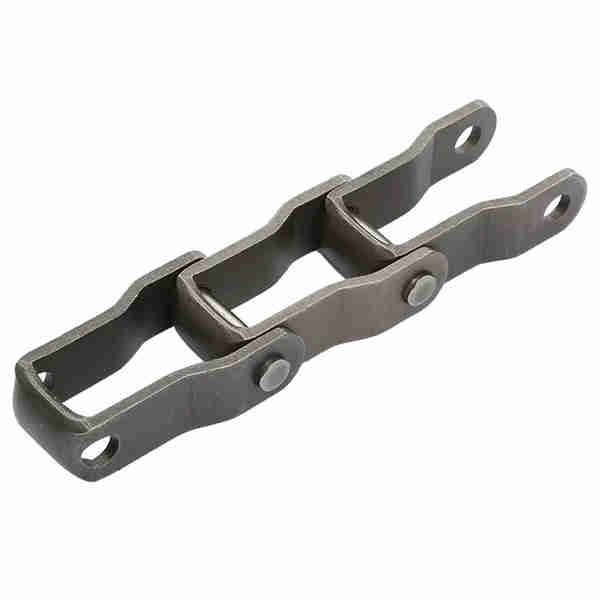
Picture this: a procurement specialist receives an urgent call from the maintenance floor. A conveyor metal chain has seized overnight, rust has spread across the links, and the entire line is down. The first question from the team is simple: “How do you clean and maintain a metal chain?” Without a clear answer, every hour of downtime hits the budget. In industrial buying, metal Chains are not just components; they are operational lifelines. Dust, moisture, high loads, and irregular lubrication can turn a new chain into a failure risk within weeks. This guide breaks the cleaning and maintenance process into practical steps that your team can follow today. You will also see how Raydafon Technology Group Co.,Limited supports maintenance teams with corrosion-resistant chain designs and clearer procurement specifications. Keep reading to reduce unplanned replacements, improve safety, and extend chain service life.
Why Metal Chain Cleaning Is a Daily Battle for Buyers
Maintenance teams often inherit a chain that has been running in abrasive dust, oil mist, or humid air for months. The procurement side feels the pressure when replacement orders increase and suppliers cannot explain why similar chain grades fail at different rates. One plant in Southeast Asia reported that conveyor chains lasted only six months because fine cement dust packed into the pin-bush joints. The solution was not more frequent replacement; it was a cleaning and maintenance routine matched to the operating environment.
For metal chains, contamination is the root cause of most premature wear. Abrasive particles act like grinding paste inside the link plates and pins. Moisture combines with industrial gases to create corrosion cells. Without controlled cleaning, even a premium alloy chain loses its designed service life. The table below shows common contaminants and the specific action required.
Contaminant
Typical source
Impact and required action
Fine dust or sand
Cement, mining, grain handling
Abrasive wear; dry brush and degrease more frequently
Moisture and salt
Marine, washdown, outdoor storage
Corrosion pitting; apply moisture-displacing lubricant after cleaning
Oil and grease buildup
Food processing, automotive lines
Sticky residue traps particles; use solvent degreaser and wipe dry
Raydafon Technology Group Co.,Limited addresses this daily battle at the specification stage by supplying metal chains with anti-corrosion surface treatments and smoother pin-bush contact surfaces. The result is less particle adhesion and easier cleaning between production cycles.
Step-by-Step Metal Chain Cleaning Process That Works in Real Workshops
Imagine a maintenance crew with only 30 minutes of scheduled downtime. They need a process that is fast, safe, and repeatable. The following steps remove contaminants without damaging the chain surface or washing away the base lubricant in sealed joints.
Step 1: Inspect before cleaning. Check for stiff links, visible rust, pin wear, and damaged plates. Mark any section that is already elongated beyond 3% of the original pitch. Cleaning will not fix worn-out components.
Step 2: Remove loose debris. Use a stiff brush or compressed air to blow off dry dust and grit. This prevents abrasive sludge from forming when you apply cleaner.
Step 3: Apply the right degreaser. Choose a solvent that matches the contamination type. Avoid aggressive acids on hardened steel chains unless recommended by the manufacturer.
Step 4: Agitate and rinse. Use a nylon brush for stubborn deposits. If water is used, keep pressure low and avoid directing high-pressure spray into the joints. Hot water rinsing works well for water-based cleaners, but all water must be removed.
Step 5: Dry immediately. Use lint-free cloths and compressed air to remove moisture from link plates, pins, and bushes. Residual water is the fastest route to corrosion.
Step 6: Lubricate before returning to service. Apply a chain-specific lubricant that penetrates the pin-bush interface. Rotate the chain by hand to distribute the film evenly.
Cleaning agent
Best for
Precautions
Water-based degreaser
General oil and dust
Dry thoroughly to prevent rust
Solvent-based cleaner
Heavy grease and tar
Use ventilation and chemical-resistant gloves
Citrus or bio-based cleaner
Food-grade and indoor use
Check compatibility with seals and coatings
How to Maintain a Metal Chain After Cleaning
Cleaning alone does not keep a metal chain alive. A chain that is cleaned but left dry will rust faster than a dirty chain because the protective film has been removed. Maintenance after cleaning is where buyers see the difference between a six-month chain and a three-year chain.
Lubrication is not optional. The pin-bush joint is the critical wear point. Use a lubricant with the right viscosity for the operating temperature and speed. Too light and it flings off; too heavy and it traps dust. For high-temperature ovens, use a dry-film or high-temperature oil. For food processing, use a food-grade lubricant.
Tension and alignment matter. A chain that is too tight increases pin-bush load. A chain that is too loose causes vibration and sprocket skipping. Check tension at the slack side, and align shafts with a straightedge or laser tool. Misalignment of more than 1 degree accelerates side-plate wear.
Storage conditions protect your investment. If spare metal chains are stored near the line, keep them away from floor moisture and chemical fumes. A simple sealed cover with a vapor corrosion inhibitor can add months of shelf life.
Operating condition
Inspection frequency
Lubrication frequency
Clean indoor, light load
Every 200 hours
Every 200 hours or monthly
Dusty or humid, medium load
Every 100 hours
Every 100 hours or weekly
Heavy load, high temperature, abrasive
Every 40 hours
Every 40 hours or daily
When maintenance intervals are unpredictable, Raydafon Technology Group Co.,Limited helps buyers select chains with factory-applied dry lubricants or hardened pins, reducing the frequency of cleaning and re-lubrication in demanding environments.
Common Mistakes That Shorten Metal Chain Life
Procurement teams often discover that a chain failed early not because of bad material, but because of a simple maintenance mistake. Here are the most expensive errors seen in industrial plants.
Mistake 1: Using high-pressure water directly on joints. This forces water past seals and into the pin-bush area. After drying, rust forms where you cannot see it. Low-pressure rinsing followed by immediate air drying is safer.
Mistake 2: Over-lubricating to compensate for poor cleaning. Excess oil attracts dust and creates a grinding paste. It also spreads to surrounding equipment, creating slip hazards and contaminating products. The goal is a thin, even film.
Mistake 3: Ignoring stiff links. Stiff links indicate internal corrosion or lack of lubrication. If a link cannot flex freely, it causes jerky movement and shock loads on the sprocket. Replace or soak the section in penetrating oil before returning the chain to service.
Mistake 4: Using the wrong solvent. Acidic cleaners can etch hardened steel surfaces and cause hydrogen embrittlement. Chlorinated solvents may damage polymer seals or special coatings. Always confirm cleaner compatibility with the chain specification.
A simple audit of your current cleaning procedure against these four mistakes can reduce unplanned downtime immediately. For chains that consistently fail in the same area, ask the supplier for a joint wear analysis. Raydafon Technology Group Co.,Limited provides material and coating recommendations based on failure patterns.
Frequently Asked Questions About Metal Chain Maintenance
Q: How do you clean and maintain a metal chain that is exposed to high humidity and salt air?
A: Start by removing loose salt deposits with a dry brush. Use a water-based degreaser diluted to the manufacturer’s recommended strength, apply with a cloth or soft brush, and rinse with low pressure. Dry the chain with compressed air until no moisture remains. Then apply a moisture-displacing lubricant that leaves a corrosion inhibitor film. Inspect every 80–100 operating hours and reapply lubricant after each washdown. In coastal or marine plants, consider chains with zinc-nickel coatings or stainless pins for longer service life.
Q: How do you clean and maintain a metal chain on a running production line when removal is difficult?
A: Use an in-place cleaning method. Stop the line and lock out power. Place a drip tray under the chain. Apply a spray-on degreaser along the chain length, agitate with a long-handle brush, and wipe with lint-free cloths. For chains that cannot be fully dried, use a water-displacing solvent cleaner instead of water-based products. Rotate the chain slowly by hand, apply lubricant to the inside of the link plates, and wipe away excess. This method works well for long conveyor chains and overhead drives. If cleaning access is limited, specify split-chain or quick-link designs from Raydafon Technology Group Co.,Limited to simplify future maintenance.
Partner with Raydafon Technology Group for Lower Maintenance Costs
What is the biggest challenge your team faces when cleaning and maintaining metal chains—corrosion, dust buildup, or lack of time? Share your experience below. Many buyers find that solving maintenance problems is not only about writing a procedure; it is also about sourcing chains that are designed for the environment. Raydafon Technology Group Co.,Limited works with purchasing teams to match chain coatings, materials, and lubrication methods to real operating conditions. This reduces cleaning frequency and extends replacement intervals.
Looking for metal chains that resist corrosion and reduce cleaning frequency? Raydafon Technology Group Co.,Limited designs and supplies precision metal chains, drive components, and maintenance-friendly solutions for industrial buyers. Contact our engineering team at [email protected] for a custom proposal or technical support.
Research References
Zhang, Y., & Liu, H. (2021). Friction and wear behaviour of industrial roller chains under contaminated environments. Tribology International, 153, 106674.
Smith, J. A., & Brown, R. L. (2019). Corrosion protection strategies for carbon steel chains in marine atmospheres. Corrosion Science, 148, 198–210.
Chen, W., Zhao, M., & Liu, X. (2020). Effect of lubrication intervals on fatigue life of drive chains. Wear, 448–449, 203215.
Miller, D. P. (2018). Chain elongation and sprocket wear in heavy-duty conveyor systems. Journal of Mechanical Engineering Science, 232(14), 2543–2556.
Patel, S., & Gupta, A. (2022). Biodegradable lubricants for metal chain maintenance in food processing. Journal of Cleaner Production, 330, 129875.
Kumar, R., Singh, P., & Verma, S. (2017). Failure analysis of a failed drive chain used in a cement mill. Engineering Failure Analysis, 79, 885–896.
Lee, K. H., & Park, J. S. (2020). Influence of preload and alignment on vibration characteristics of roller chain drives. Mechanism and Machine Theory, 151, 103894.
Thompson, M. R. (2016). Rust removal and surface preparation techniques for industrial steel components. Surface Engineering, 32(9), 678–686.
Wang, T., Li, Q., & Zhang, F. (2023). Self-lubricating composite coatings for metal chain pins. Surface and Coatings Technology, 454, 129185.
Robinson, A. J. (2021). Predictive maintenance scheduling for chain-driven systems in automotive assembly. Reliability Engineering & System Safety, 210, 107555.
We use cookies to offer you a better browsing experience, analyze site traffic and personalize content. By using this site, you agree to our use of cookies. Privacy Policy