A machining lathe is a versatile and essential tool in the manufacturing and metalworking industries. It is used to shape materials—primarily metal, but also wood, plastic, and other composites—by rotating the workpiece against a stationary cutting tool. This process, known as turning, allows for precision machining of cylindrical parts, creating symmetrical objects with high accuracy and fine finishes. From crafting small components like bolts and shafts to large industrial parts, machining lathes are fundamental in producing a wide range of products across various sectors, including automotive, aerospace, and machinery manufacturing.
Key Components of a Machining Lathe
Understanding the main parts of a machining lathe helps in operating and maintaining the equipment effectively. Here are the critical components:
Bed: The base of the lathe, providing support and alignment for other components.
Headstock: Houses the main spindle and drive mechanism, controlling rotation speed.
Tailstock: Supports the opposite end of the workpiece for stability during machining.
Carriage: Moves the cutting tool along the bed, enabling longitudinal and transverse motions.
Cross Slide: Allows perpendicular movement of the tool for facing operations.
Tool Post: Holds and secures the cutting tool in place.
Chuck: A clamping device that grips the workpiece for rotation.
Lead Screw: Drives the carriage for thread cutting operations.
Product Parameters and Specifications
Our machining lathes are engineered for precision, durability, and efficiency. Below is a detailed table outlining the standard specifications for our flagship model, the PrecisionTurn Pro Series:
Parameter
Specification
Description
Swing Over Bed
18 inches
Maximum diameter of workpiece that can be rotated over the bed.
Distance Between Centers
40 inches
Maximum length of workpiece that can be accommodated between centers.
Spindle Bore
2.5 inches
Diameter of the hole through the spindle for bar stock feeding.
Spindle Speed Range
50 - 2500 RPM
Variable speed control for different materials and cuts.
Motor Power
5 HP
High-torque motor for heavy-duty machining tasks.
Number of Speeds
12
Pre-set speed options for consistent performance.
Thread Cutting Range
1 - 56 TPI
Capability to cut a wide range of thread pitches.
Weight
1500 lbs
Sturdy construction minimizes vibration for precision work.
Accuracy
±0.0005 inches
Tolerance level ensuring high precision in machined parts.
Coolant System
Integrated
Built-in system for cooling and lubricating during operation.
Applications of Machining Lathes
Machining lathes are used in various applications due to their versatility. Common uses include:
Turning: Reducing the diameter of a workpiece to create cylindrical shapes.
Facing: Machining the end of a workpiece to produce a flat surface.
Threading: Cutting screw threads on bolts, nuts, and other components.
Drilling: Creating holes in the center or along the length of a part.
Boring: Enlarging existing holes to precise dimensions.
Knurling: Adding a patterned texture for better grip on handles or fittings.
Tapering: Shaping conical forms by adjusting the tool angle.
These applications make machining lathes indispensable in industries such as automotive (e.g., producing engine parts), aerospace (e.g., crafting landing gear components), and general fabrication (e.g., creating custom shafts and rollers).
Advantages of Using Our Machining Lathes
Our products stand out due to several key benefits:
High Precision: Engineered for tight tolerances, ensuring consistent quality in every part.
Durability: Constructed with cast iron and hardened steel for long-lasting performance.
User-Friendly Design: Intuitive controls and safety features reduce operator fatigue and errors.
Versatility: Compatible with various materials and tooling attachments for diverse tasks.
Energy Efficiency: Optimized motor systems lower power consumption without sacrificing power.
Low Maintenance: Designed with easy-access components for simple upkeep and repairs.
Frequently Asked Questions (FAQ)
What materials can a machining lathe handle?
A machining lathe can process a wide range of materials, including metals like steel, aluminum, brass, and titanium, as well as plastics, wood, and composites. The key is selecting the appropriate cutting tools and speeds for each material to ensure clean cuts and avoid damage.
How do I choose the right machining lathe for my needs?
Consider factors such as the size of workpieces you'll be handling (swing over bed and distance between centers), the materials you'll work with (which affects spindle speed and motor power requirements), and the precision needed (tolerance levels). Also, evaluate additional features like thread cutting capabilities and coolant systems based on your applications.
What safety precautions should I take when operating a machining lathe?
Always wear protective gear, including safety glasses and gloves. Secure the workpiece properly in the chuck or between centers to prevent flying debris. Keep hands away from moving parts, and ensure the machine is off when making adjustments. Regular maintenance checks for loose components or wear are also crucial for safe operation.
Can a machining lathe be used for mass production?
Yes, especially CNC (Computer Numerical Control) lathes, which automate the machining process for high-volume production with consistent accuracy. Our models can be equipped with CNC systems for efficient, repeatable manufacturing runs.
How often should I maintain my machining lathe?
Routine maintenance should be performed after every 40-50 hours of operation, including lubricating moving parts, checking alignment, and inspecting cutting tools for wear. A comprehensive service is recommended annually or as per the manufacturer's guidelines to ensure longevity.
What is the difference between a engine lathe and a turret lathe?
An engine lathe is a general-purpose machine manual operated, suitable for various turning tasks. A turret lathe has a rotating turret that holds multiple tools, allowing for quicker tool changes and is often used for repetitive production work. CNC lathes combine elements of both for automated efficiency.
Can I perform grinding operations on a machining lathe?
While primarily designed for cutting, some lathes can be adapted for light grinding with attachments. However, dedicated grinding machines are better suited for precision grinding tasks to avoid compromising the lathe's accuracy or causing undue wear.
What software is compatible with CNC machining lathes?
CNC lathes typically use CAD (Computer-Aided Design) and CAM (Computer-Aided Manufacturing) software for programming. Common options include Mastercam, Fusion 360, and GibbsCAM, which allow users to design parts and generate toolpaths for automated machining.
Raydafon Guoup's MGW-C MGW-H Series Linear Guideway Guide Rail for CNC Machine Tool Lathe delivers precision, durability, and smooth performance in industrial settings, ensuring reliability and enhanced efficiency for professionals.
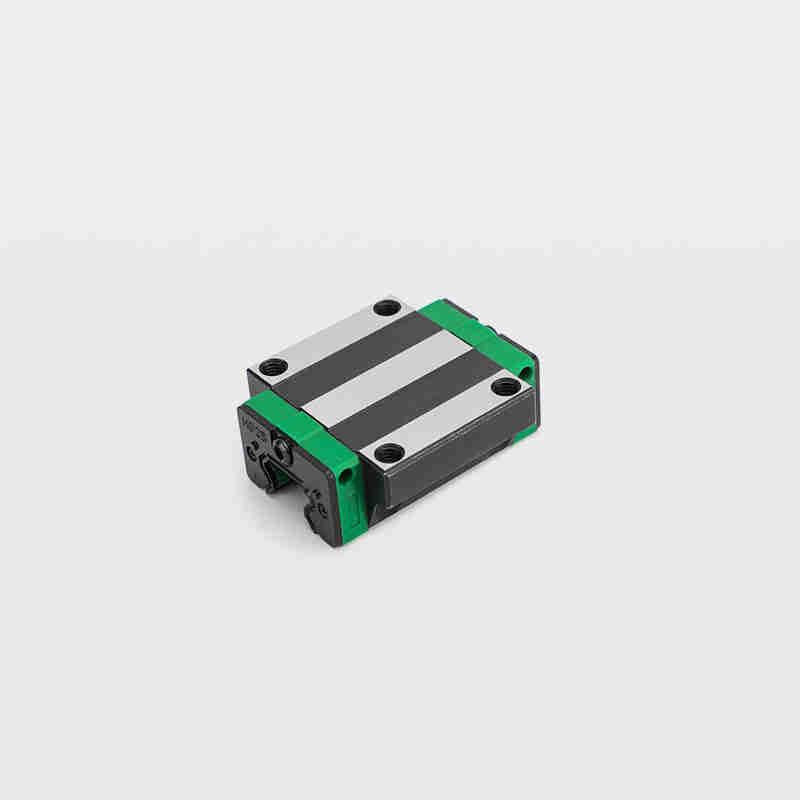
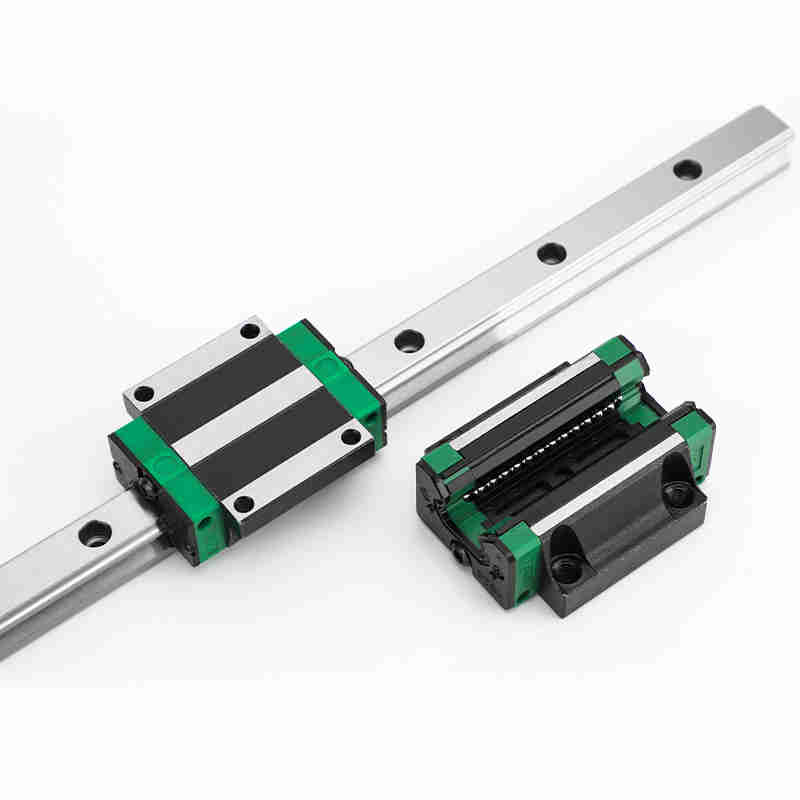
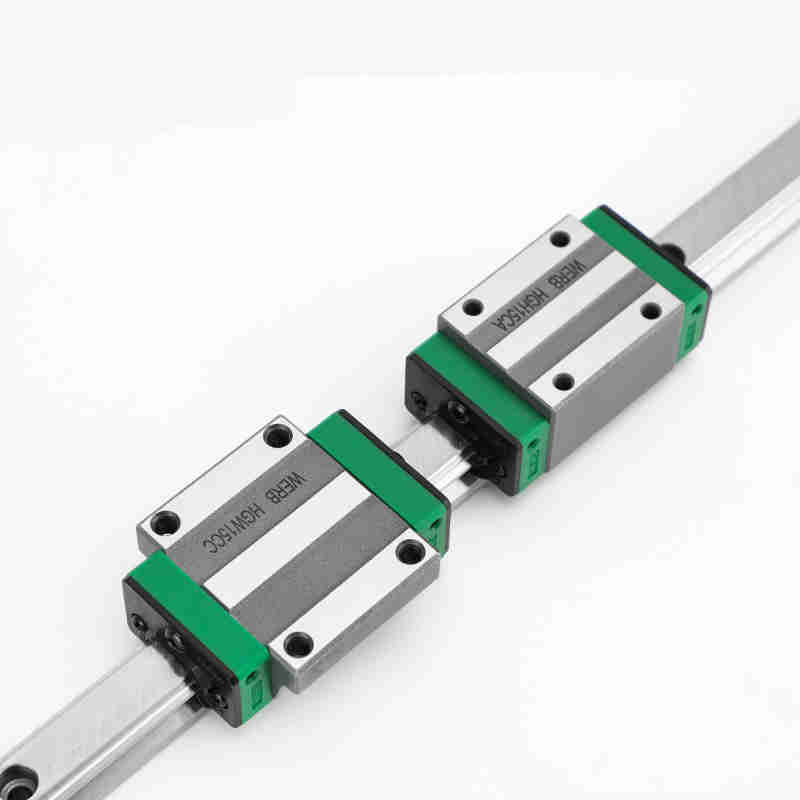
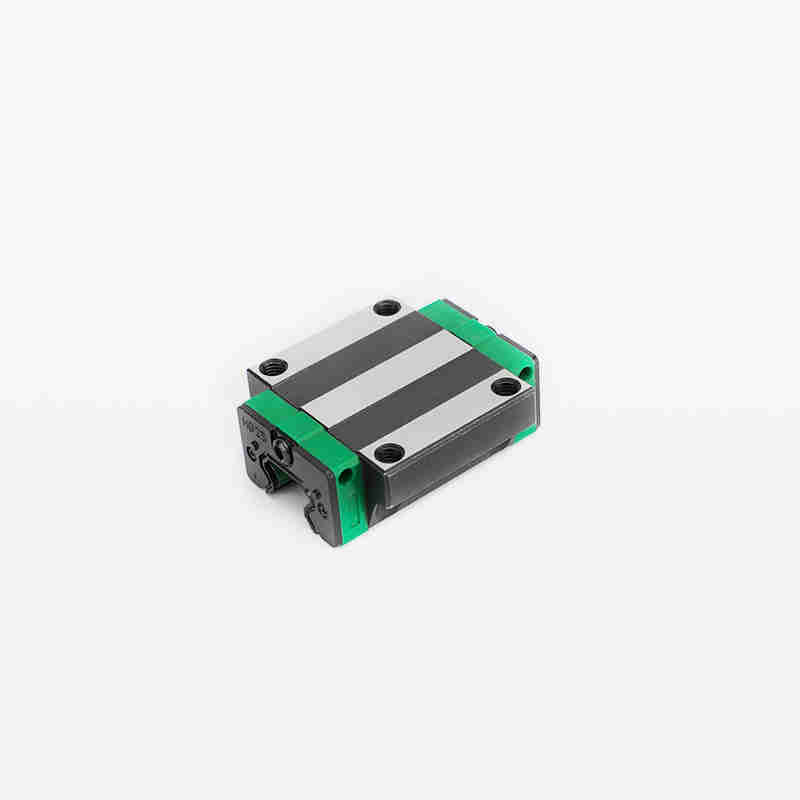
Raydafon Group's HGW-CC HGW-HC Series Guide Rail Linear Guideway for CNC Machine Tool Lathe delivers precision and durability, ideal for industrial applications. With superior materials and innovative design, it enhances machine performance, reducing maintenance and boosting productivity. Perfect for CNC operators and manufacturers, it ensures smooth operation and long-term reliability. Stand out with advanced technology and trusted quality—experience unmatched efficiency today!
Raydafon Group's EGH-SA EGH-CA Series Linear Guideway Guide Rail offers high-precision motion control for CNC machine tools and lathes, featuring durable materials, superior design, and smooth operation. Ideal for manufacturers and engineers, it enhances accuracy, reduces downtime, and boosts productivity. Stand out with reliable performance and competitive pricing.
Raydafon Group's HGW-CA HGW-HA Series Linear Guideway Guide Rail for CNC Machine Tool Lathe delivers superior precision and durability for enhanced machining efficiency in industrial settings. Crafted with high-quality materials and advanced technology, this rail ensures smooth operation and long-lasting performance, ideal for CNC professionals seeking reliability. Experience reduced downtime and improved accuracy, setting it apart from competitors with its robust design. Elevate your production today with Raydafon's innovative solution!
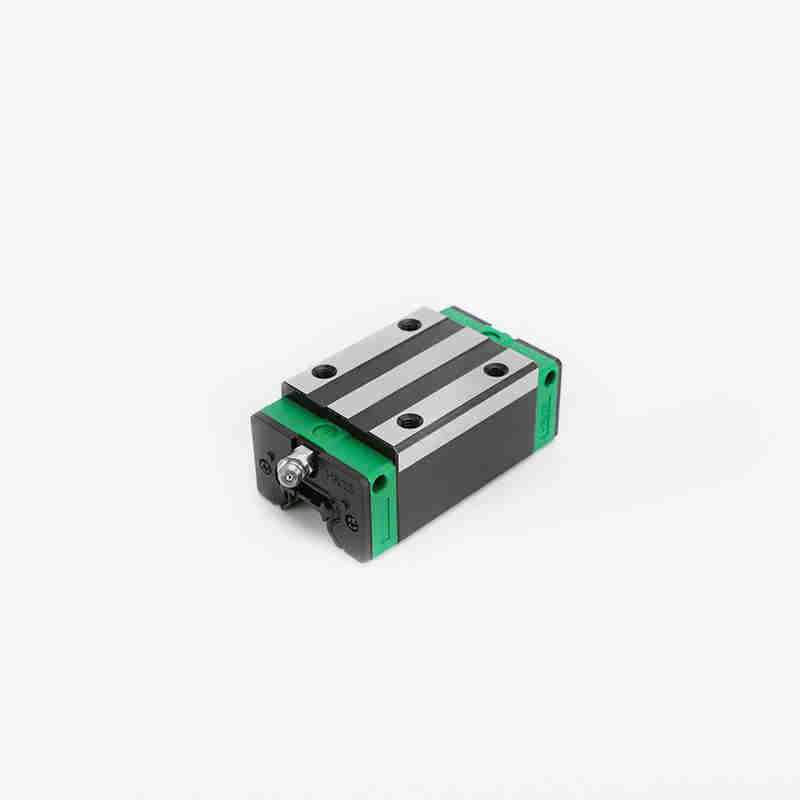
Raydafon Group's HGH-CA HGH-HA Series Linear Guideway Guide Rail delivers precision and durability for CNC machine tools and lathes, featuring high-quality materials, smooth operation, and enhanced accuracy, ideal for manufacturers seeking reliable performance and reduced downtime.
Raydafon is one of the most professional Machining Lathe manufacturers and suppliers in China, featured by good service and competitive price. Please feel free to buy high quality Machining Lathe made in China here from our factory.
We use cookies to offer you a better browsing experience, analyze site traffic and personalize content. By using this site, you agree to our use of cookies.
Privacy Policy